

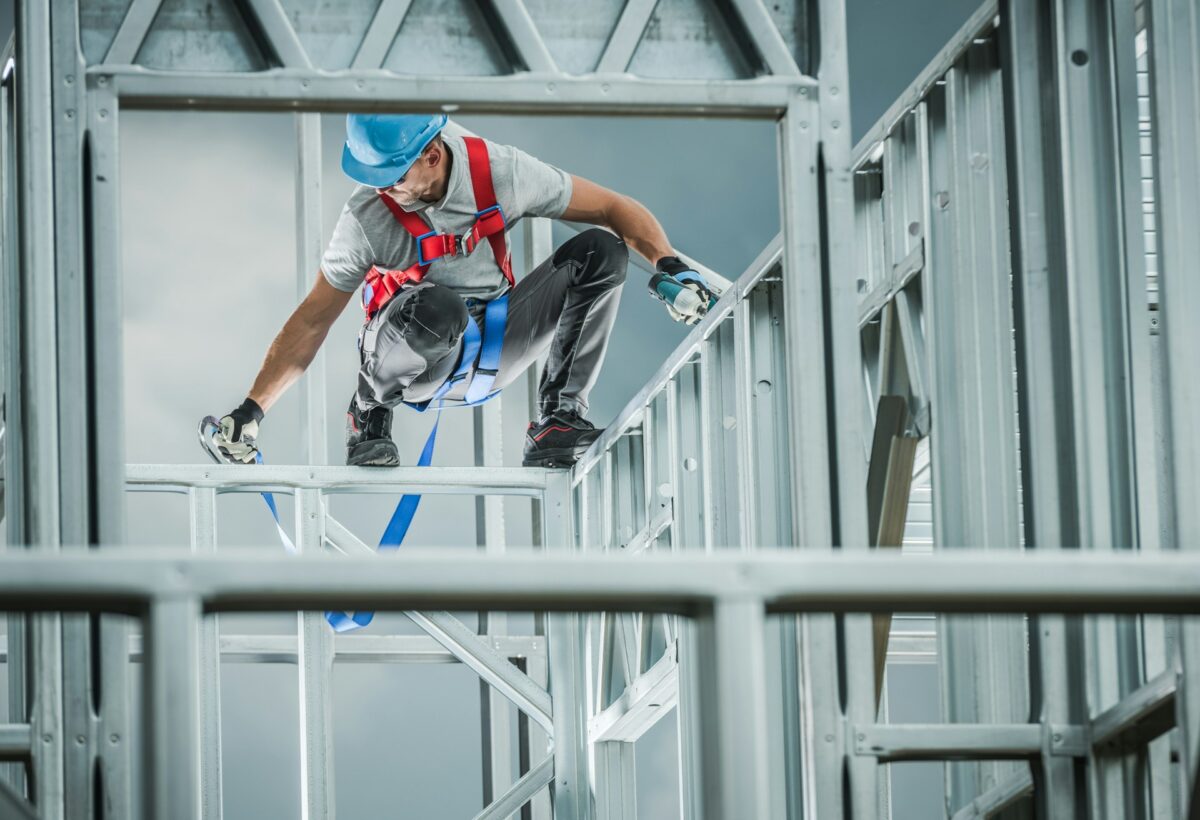
Metal frame construction has become a go-to choice for many builders and architects, thanks to its durability and flexibility. However, a key aspect that often gets overlooked is energy efficiency. Making these buildings energy-efficient not only reduces consumption but also slashes energy bills. In a world where environmental concerns are at the forefront, optimizing energy efficiency should be a priority.
Energy-efficient buildings offer long-term financial savings and contribute positively to the environment. Incorporating energy-saving strategies into the construction process can significantly reduce a building’s carbon footprint. This article will focus on explaining practical strategies to enhance energy efficiency in metal frame construction.
Understanding Metal Frame Construction and Energy Efficiency
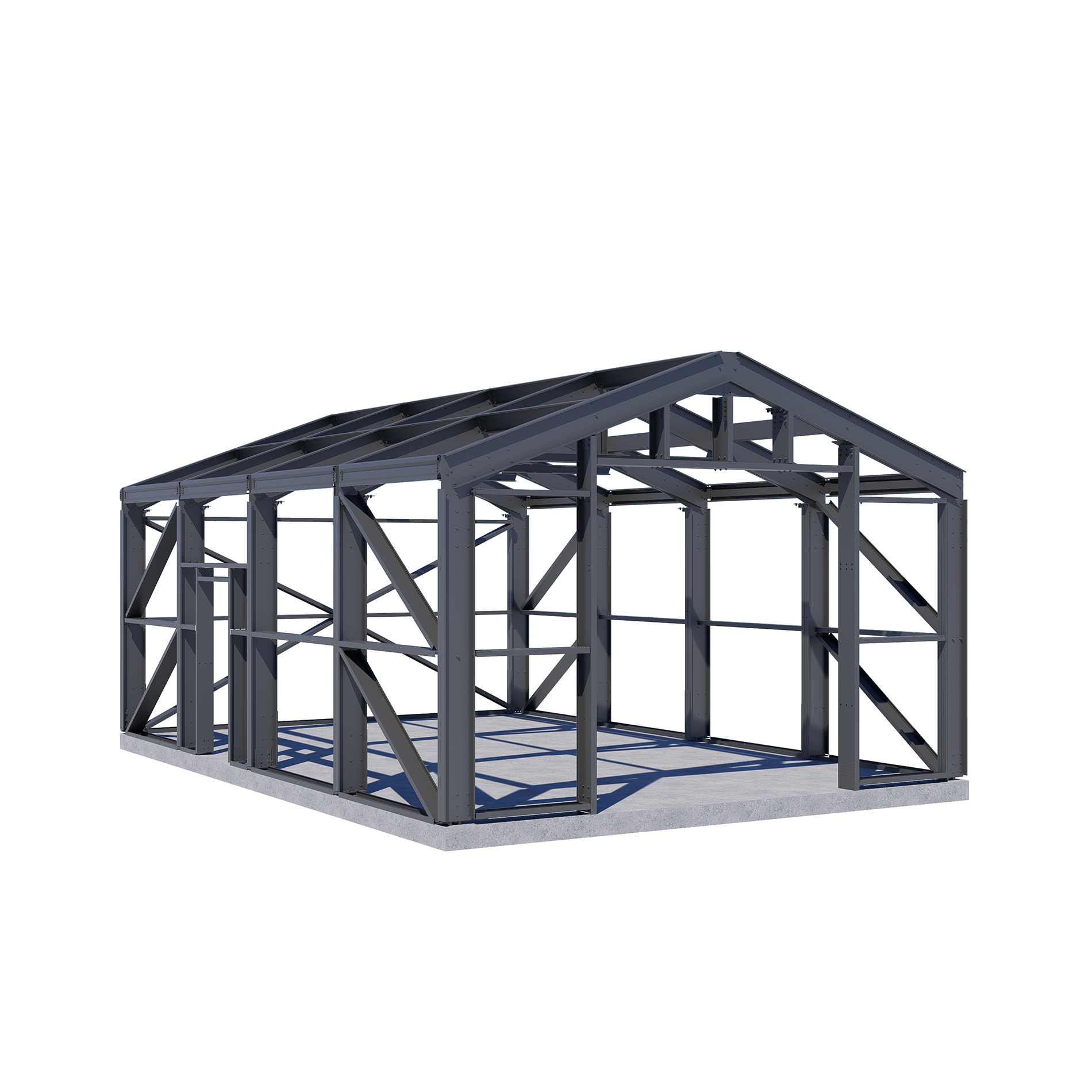
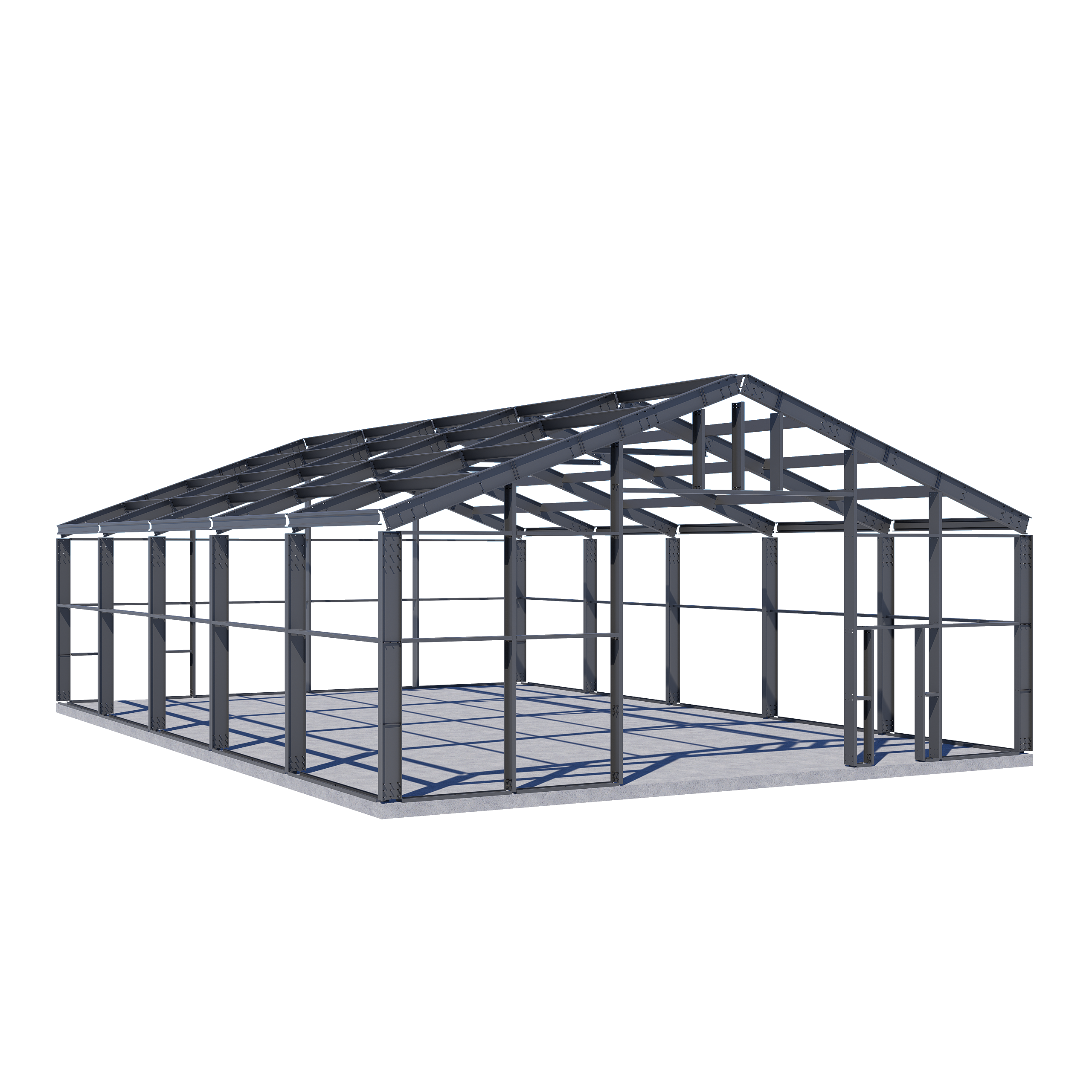
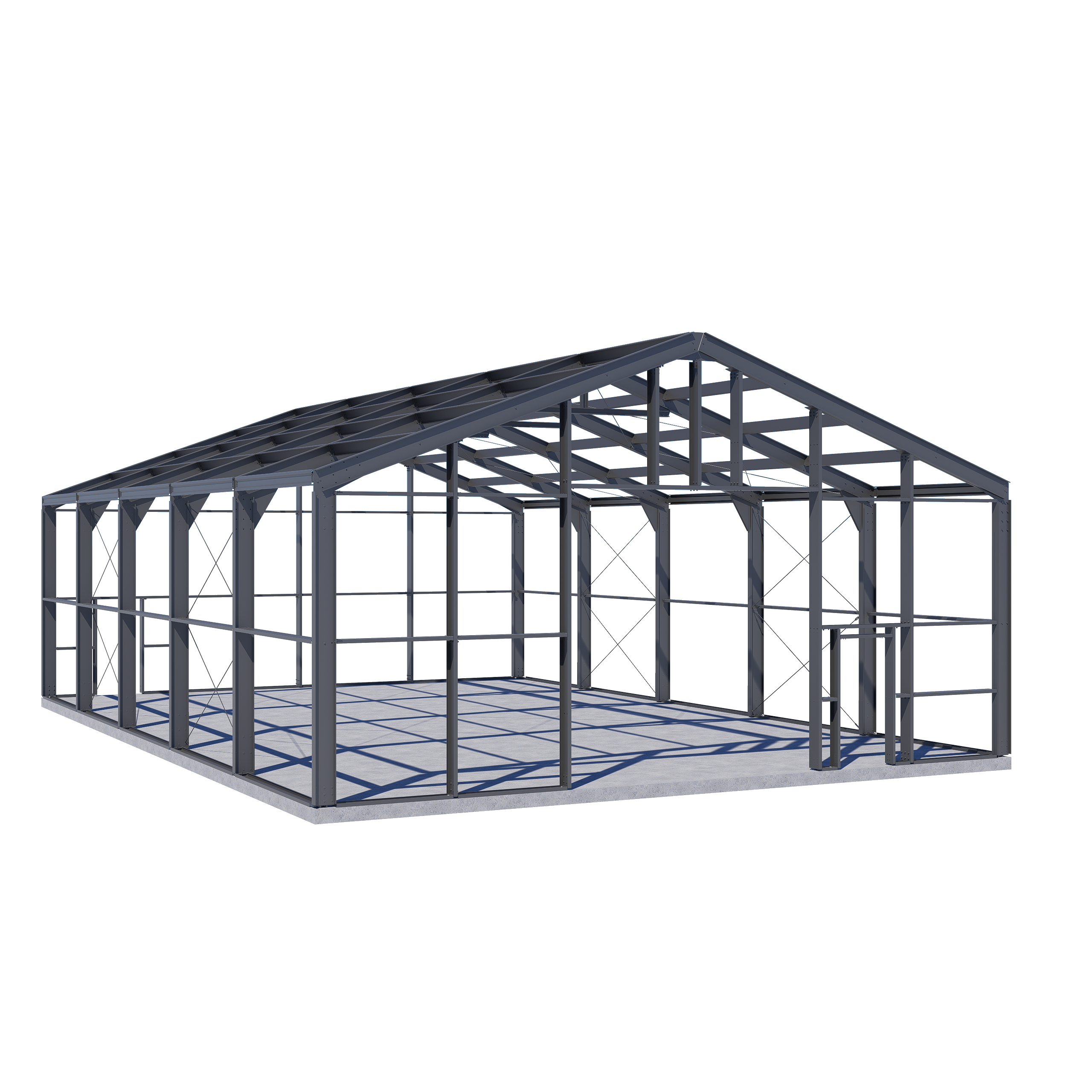
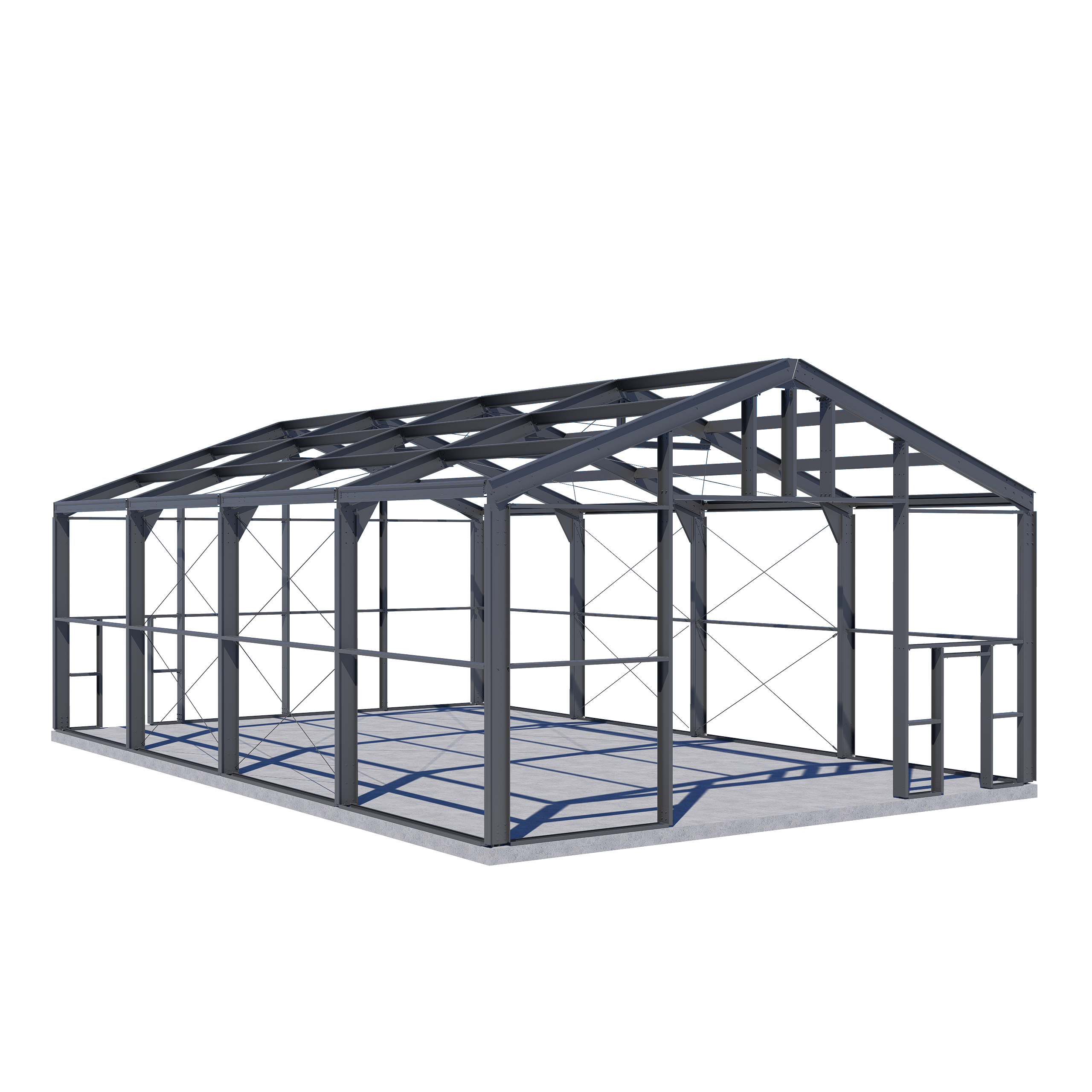
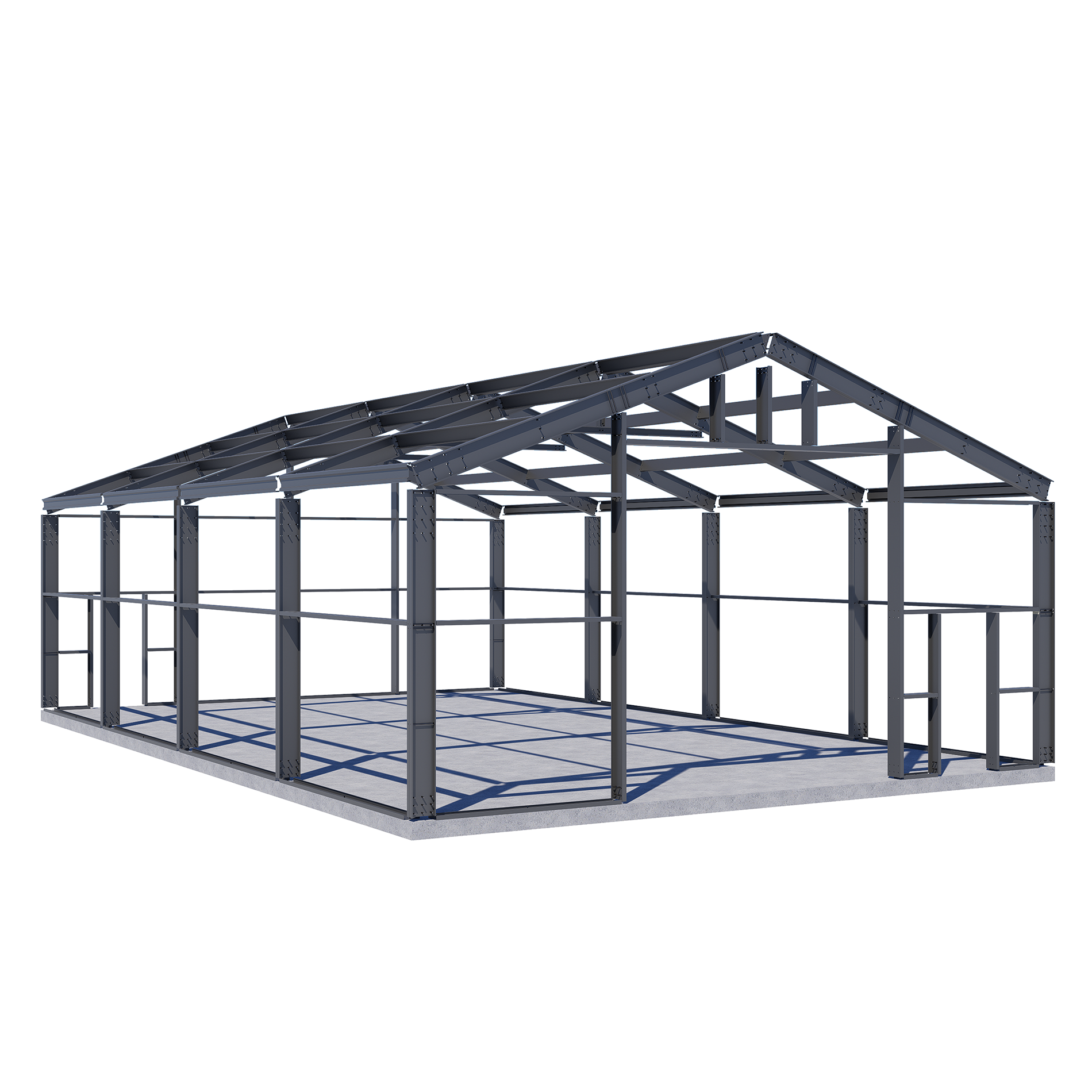
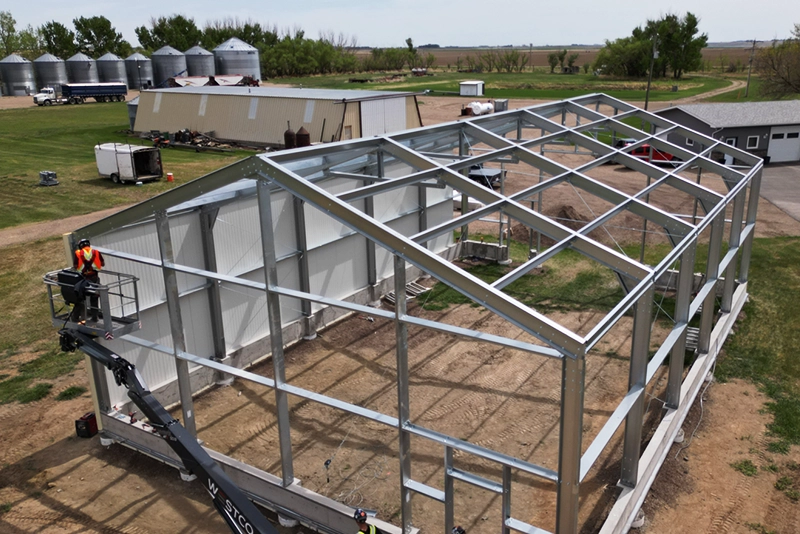
Metal frame construction is widely known for its strength and resilience. It uses metal beams and columns, which create a solid framework for various types of buildings. Besides its robust nature, the material offers flexibility in design, making it suitable for both residential and commercial spaces. Yet, the key challenge remains how to integrate energy efficiency into these structures.
Building construction that prioritizes energy efficiency aims to minimize energy consumption without compromising comfort. Efficient use of resources means lower utility costs and less strain on the environment. In metal frame buildings, achieving this balance involves a few important considerations.
Challenges in energy efficiency for metal frames arise because metal is a good conductor of heat, which means it allows heat to pass through easily. This can result in higher energy use for heating and cooling. Yet, there are opportunities to counteract this and optimize efficiency, such as through proper insulation and smart design. Here are some ways to target energy efficiency in metal frame construction:
– Ensure the structure includes effective insulation to reduce heat loss.
– Use advanced glazing solutions on windows to manage thermal entry and exit.
– Incorporate renewable energy sources to offset traditional energy usage.
By focusing on these areas, builders can construct metal frame buildings that are not just strong but also energy-efficient and environmentally friendly.
Insulation Techniques for Metal Frame Buildings
Insulation plays a huge role in making metal frame buildings energy efficient. It helps control indoor temperatures, reducing the need to constantly heat or cool the space. For metal frame structures, insulation choices are abundant, each offering unique benefits.
Spray foam is a favourite due to its ability to fill in gaps and create a tight seal, which minimizes air leakage. Its flexibility to expand and fit various spaces makes it a great choice for irregular designs. However, it can be a bit on the pricier side. Rigid board insulation, on the other hand, offers a cost-effective alternative. It’s easy to install and provides reliable thermal resistance. The downside? It may not fit snugly into all spaces like spray foam.
Choosing the right insulation depends on factors like climate and building use. For example, in colder regions, a thicker layer of insulation might be necessary to prevent heat loss. Builders should consider local climate conditions to select materials that will perform well year-round.
Designing for Natural Light and Ventilation
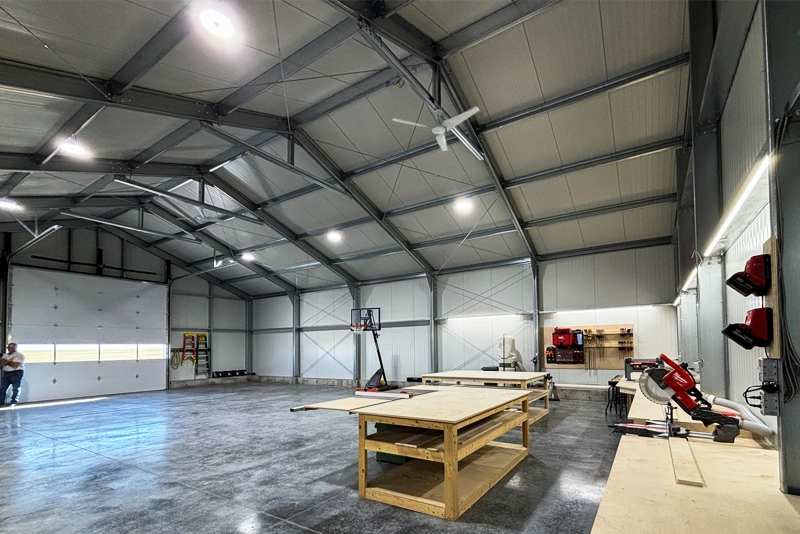
Maximizing natural light and fresh air in a building is more than just an energy-saving strategy; it boosts the comfort and wellbeing of those inside. Smart designs use features that invite sunlight and airflow, reducing the reliance on artificial lighting and mechanical ventilation systems.
Incorporating large windows and strategically placed skylights is one approach. These elements draw in daylight, creating bright, inviting spaces. But there’s more to consider than just letting light in. It’s also about controlling it to prevent overheating during summer. Reflective blinds or window coatings can help manage the light levels and heat.
Ventilation is another critical aspect. Natural airflow can be encouraged by creating air paths that allow fresh air to flow through. High ceilings combined with operable windows can achieve this. It’s about setting up the building to encourage breezes and maintain a more even temperature without overworking the HVAC system.
Energy-Efficient Roofing and Wall Systems
The design of roofs and walls significantly impacts a building’s energy usage. Using energy-efficient roofing options like cool roofs can reflect more sunlight and absorb less heat. This keeps buildings cooler and reduces the need for air conditioning, especially during the hot summer months. Green roofs, covered with vegetation, provide additional insulation, reducing energy needs for heating in the winter and cooling in the summer.
When it comes to walls, using insulated panel systems can dramatically improve a building’s thermal performance. Wall coatings that reflect heat back into the environment keep interiors at a steady temperature. Choosing materials that enhance thermal efficiency ensures little energy is lost through the building’s outer shell.
Implementing Renewable Energy Sources
Renewable energy is a powerful way to offset traditional energy expenses. Metal frame buildings offer ideal spaces for integrating solar panels, which can convert sunlight into electricity. This not just reduces energy bills, but also contributes to a cleaner environment. Wind turbines are another option, suitable for areas with consistent wind exposure.
A successful example might be a warehouse with a solar panel-covered roof, supplying electricity for lighting and equipment. This kind of self-sufficiency goes a long way in making operations more sustainable. By harnessing renewable sources, metal frame constructions become examples of modern efficiency, paving the way for eco-friendly building practices in Canada.
Enhancing Metal Frame Buildings with Energy-Efficient Design
Making metal frame buildings energy efficient presents a win-win situation. It reduces operating costs and lessens the environmental impact. Simple steps like choosing appropriate insulation, permitting natural light, and employing renewable energy sources create buildings that perform better over the long term.
These strategies are about making smart choices that boost sustainability. Builders and planners should consider these methods to ensure their projects are not only sturdy but kind to the planet. Balancing durability with efficiency solidifies metal frame constructions as a solid choice for the future.
Enhancing energy efficiency in your building is a practical step toward sustainable construction. If you are exploring options for better insulation and design solutions, consider learning more about metal frame construction systems at Dutech Structures. Our extensive experience in creating energy-efficient structures can help you make the best choices for your projects.