

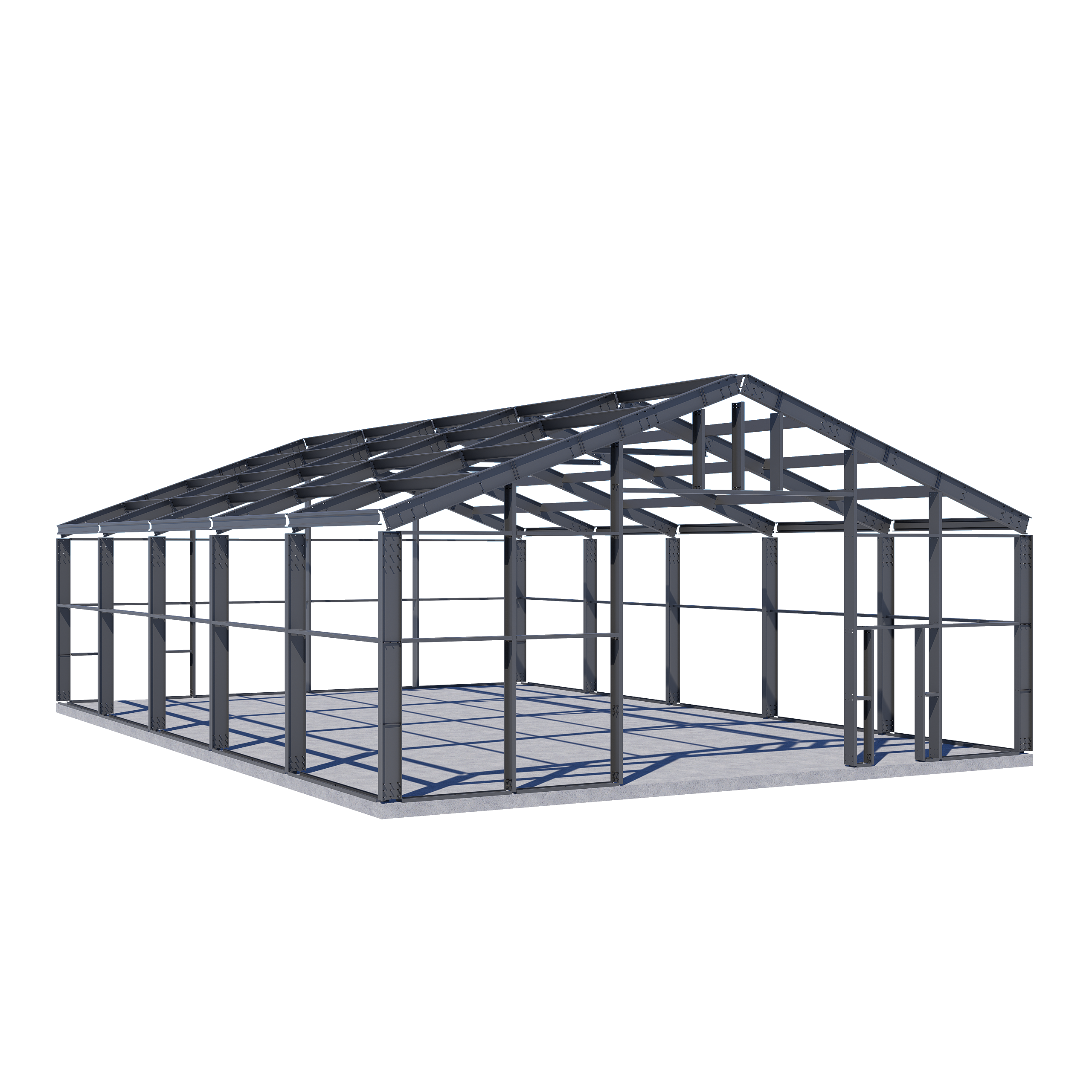
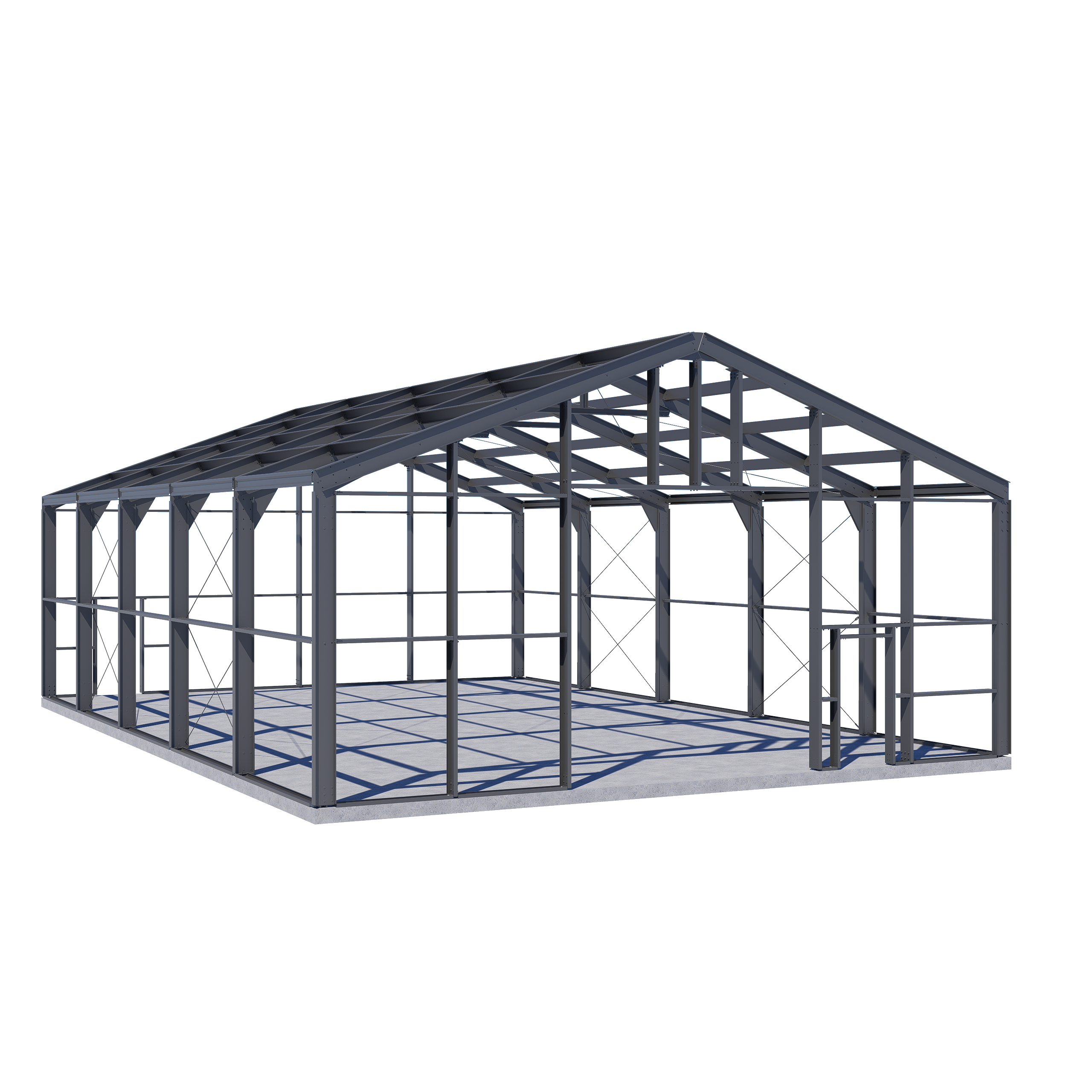
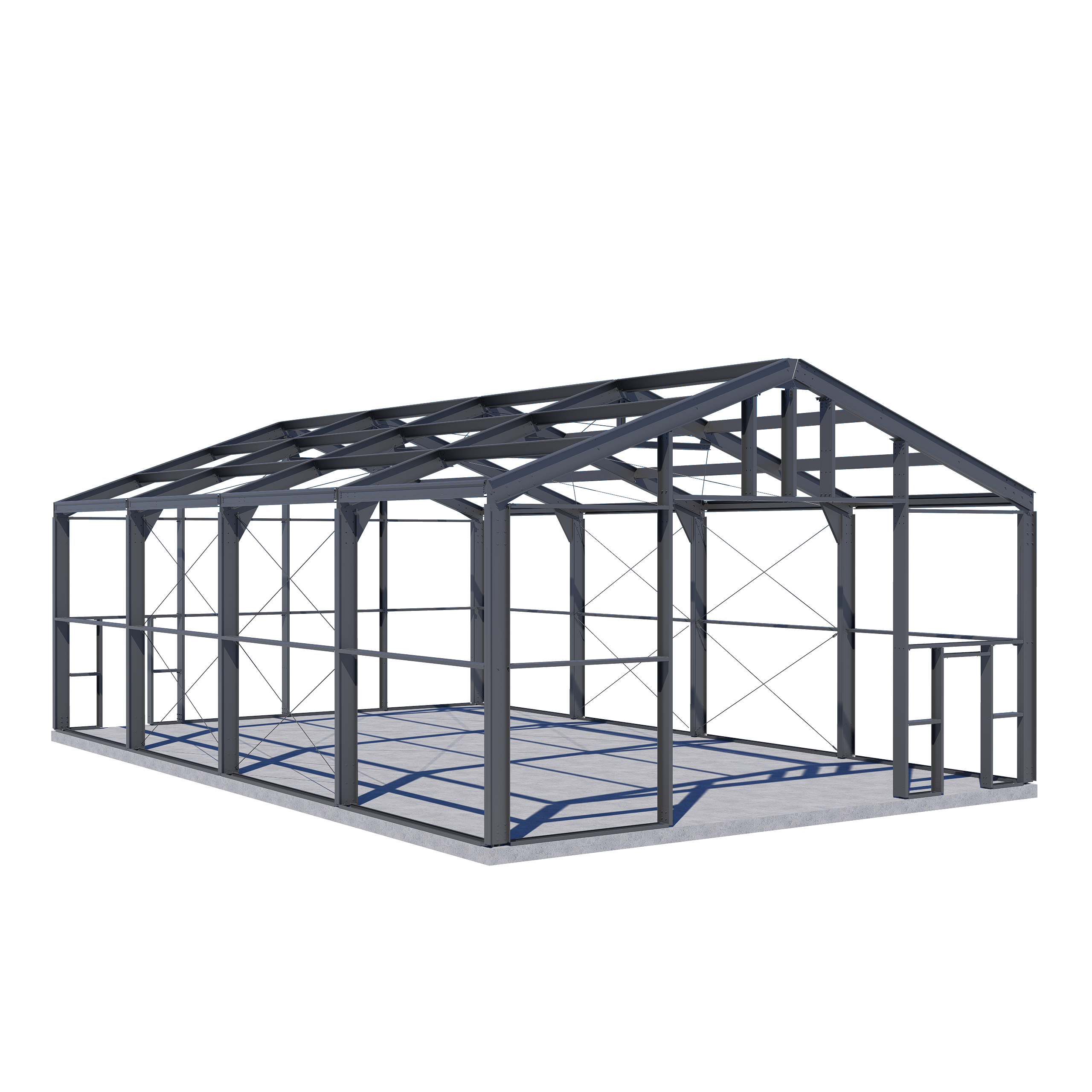
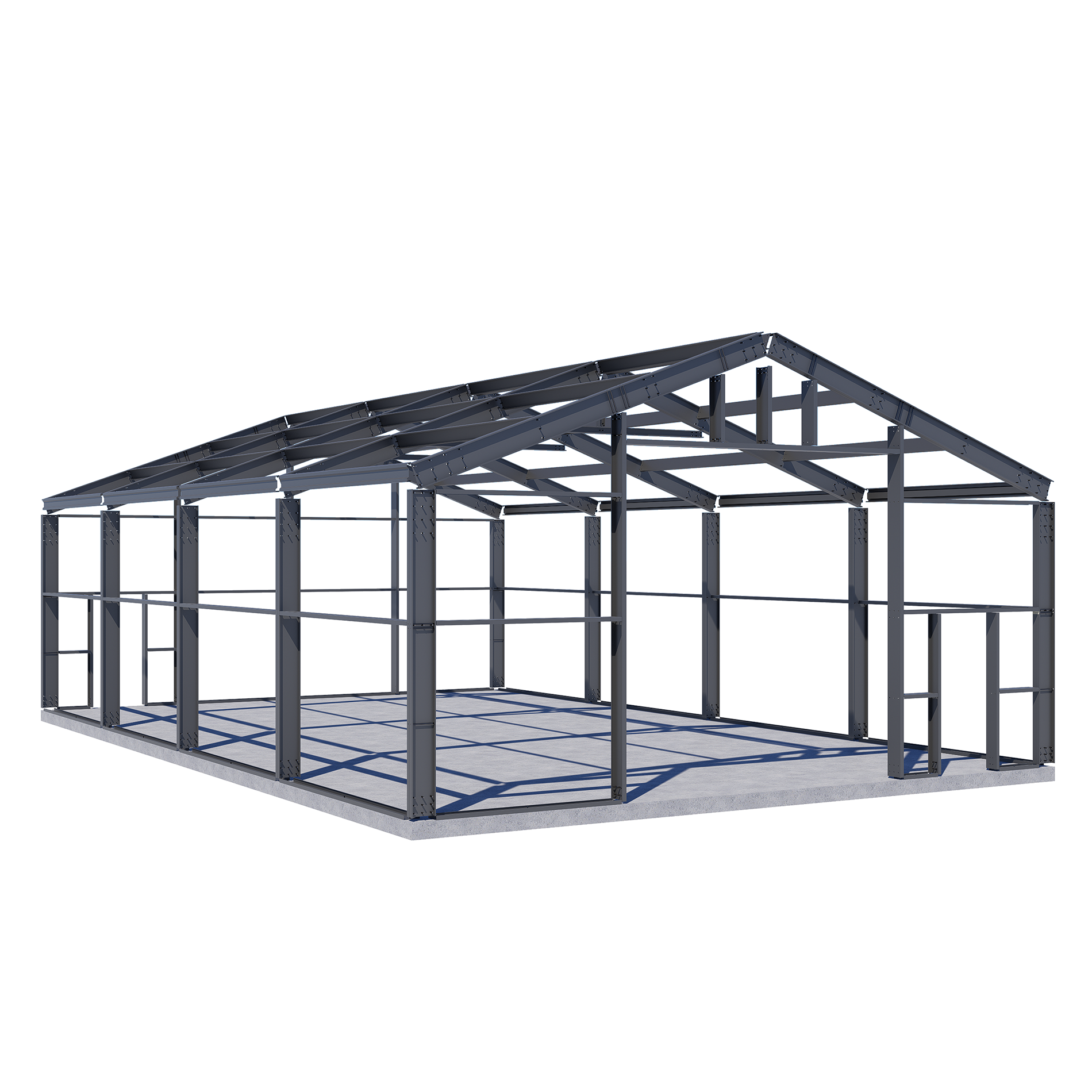

Preparing steel building structures for winter in Canada is vital for ensuring their longevity and functionality through the colder months. Much like how we don a heavy coat in the winter to stay warm, a well-prepared steel structure keeps the elements at bay, safeguarding what is within. Neglecting these preparations can lead to costly repairs or damage, affecting not just the structure but also the activities that depend on it.
Conducting a thorough check of your steel building structure before the snow falls can prevent unexpected surprises. From ensuring roofs can handle snow loads to verifying that insulation keeps the cold out, every aspect of preparation helps. The goal here is to maintain a comfortable and secure environment, whether it’s for a workspace, storage facility, or any other purpose. By taking a few proactive steps, you can ensure your steel building weathers the winter effectively.
Inspect the Roof
The roof of your steel structure needs attention as it faces a heavy burden during winter. Begin by checking for any leaks or rust, as these can become bigger problems when snow and ice add weight. Loose panels are another red flag, as they might allow moisture to seep in, leading to internal damage.
To ensure the roof is in top shape, follow these key steps:
– Check for leaks and rust: Look at the entire roof surface and note any signs of water damage or corrosion.
– Secure loose panels: Tighten any screws or fasteners and replace damaged panels to maintain a strong seal.
– Clear gutters and downspouts: Remove leaves and other debris to prevent blockages that could lead to ice dams.
– Consider snow guards: If your area receives heavy snowfall, installing snow guards can help distribute snow weight evenly, reducing the risk of a sudden release.
By taking the time to carefully inspect and prepare your roof, you can minimize the chance of winter woes. It’s like giving your steel building a helmet to get through the snow and ice unscathed. This proactive step not only saves on repairs but also keeps your building functional when you need it most.
Assess Insulation and Seals
Ensuring your steel building is well-insulated is key to keeping it warm during the Canadian winter. A good first step is to check the insulation throughout your building. Damaged or missing insulation can let the cold seep in, making heating inefficient. Repairing any tears or gaps in the insulation is crucial for maintaining warmth and reducing heating costs.
Next, examine the doors and windows for drafts. These are common spots where heat can escape. Running your hand along the edges can help detect any air leaks. Replacing weather stripping around doors and windows can stop drafts and keep cold air outside. Additionally, check the interior seals, especially where different materials meet, to ensure there are no gaps that could let the warmth slip away.
By paying attention to these details, you’re not just keeping the cold out. You’re also enhancing the overall comfort of your building during the chilly months.
Review HVAC Systems
Your building’s HVAC system plays a vital role in maintaining a pleasant temperature indoors when the temperature drops outside. Start by ensuring the heating system is functional and ready for action. It’s best to test it well before the bitter cold sets in, giving you a chance to address any problems that might arise. Replacing filters is critical, as dirty or clogged filters can impede the system’s efficiency, making it work harder than needed.
Take the time to clean the vents to allow unobstructed airflow. If there’s been any lingering doubt about the HVAC system’s readiness, arranging a professional inspection can be worthwhile. A specialist can spot potential problems and fix them before they become more serious when the system needs to operate optimally.
Keeping the HVAC system in top condition not only means warmth but can also help in energy savings during the long winter months.
Check Structural Integrity
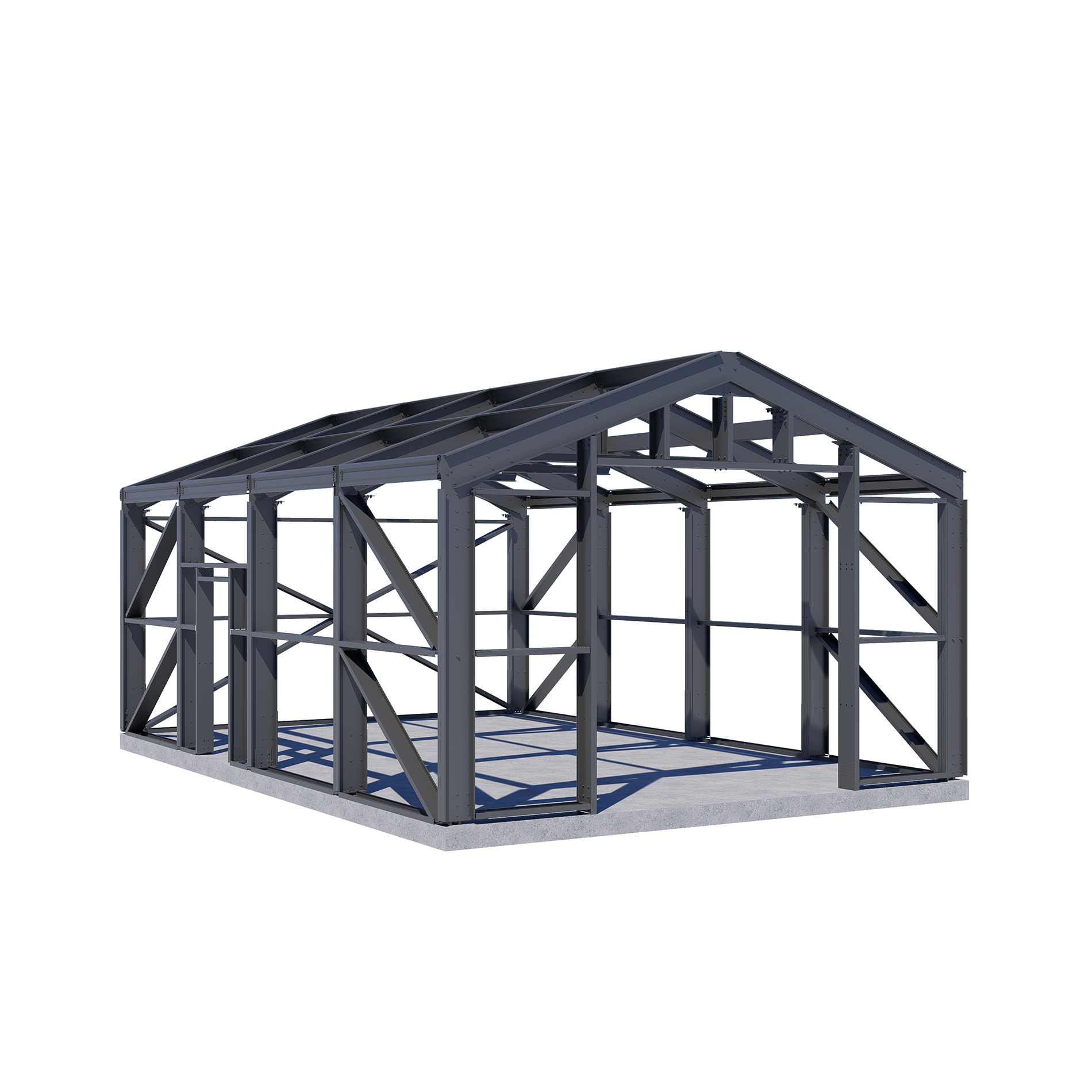
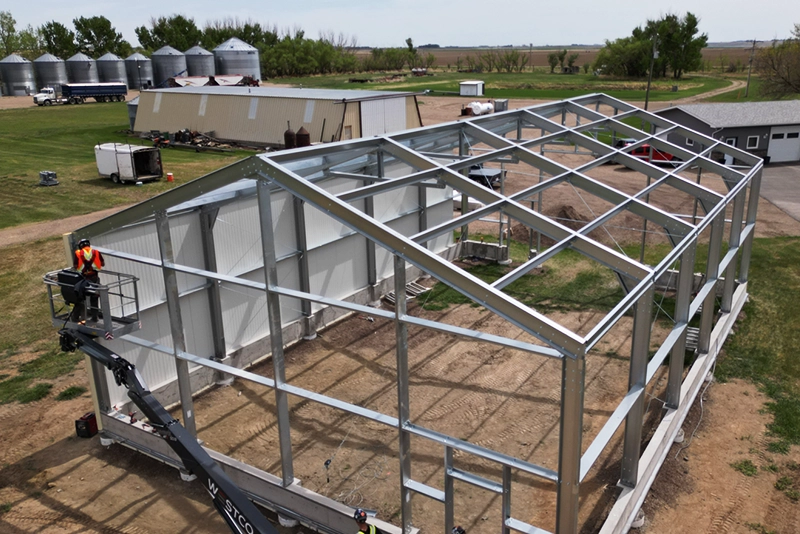
The framework of your steel building provides the necessary support and stability. Before the winter winds start howling, inspect the building’s framework for any signs of rust or corrosion, which often appear as reddish spots or patches. Rust can weaken the metal over time, especially during the wet winter months when moisture is more abundant.
Here are some key points to focus on:
– Examine for structural damage: Small cracks or bends can become bigger problems under the pressure of snow and ice.
– Tighten connections: Check all the bolts and fasteners. They must be tight and secure to handle the extra weight from potential snowfalls.
– Assess for weak points: Use a long handle or another suitable tool to gently tap on the frame, listening for unusual or hollow sounds that might suggest internal weaknesses.
Conducting these checks ensures that your building withstands Canada’s harsh winter weather. Regular maintenance keeps your structure safe and sound, mitigating the risk of unexpected issues from creeping up during the cold season.
Wrapping Up Your Winter Preparations
Taking these steps, you set your steel building up for a stress-free winter. It’s about preparing for the worst while hoping for the best. These checks not only protect against potential issues but also provide peace of mind, knowing your building is ready for whatever winter throws its way.
By addressing these elements—roof, insulation, HVAC, and structural integrity—you significantly reduce the risk of repairs and ensure the space remains warm and safe throughout the season. As we approach the cold months, think of this preparation as safeguarding your investment and maintaining the integrity and functionality of your steel building.
Winter is fast approaching, and ensuring your steel building structures are ready is a smart investment. By focusing on maintenance and preparatory steps, you can secure your building’s resilience against the harsh Canadian winter. For more insights and options tailored for steel structures, visit Dutech Structures to discover how we can help ensure you make the most of your investment.