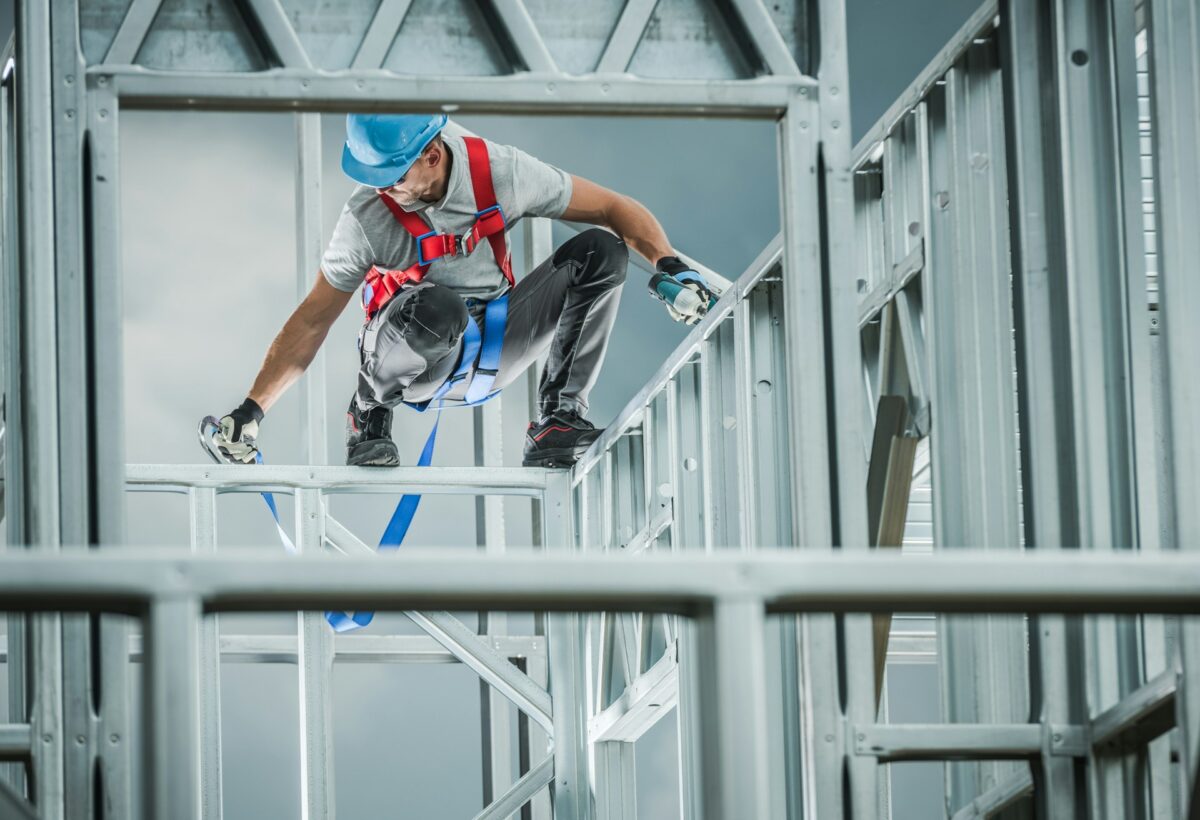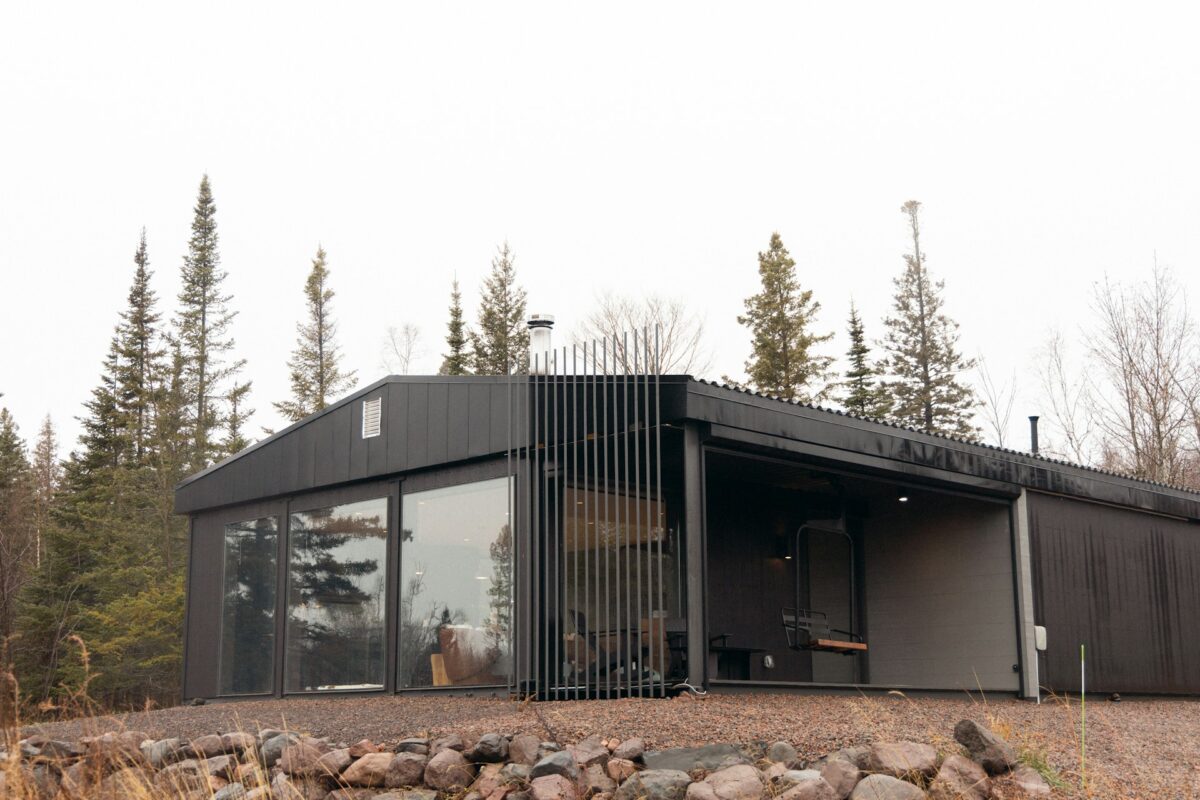


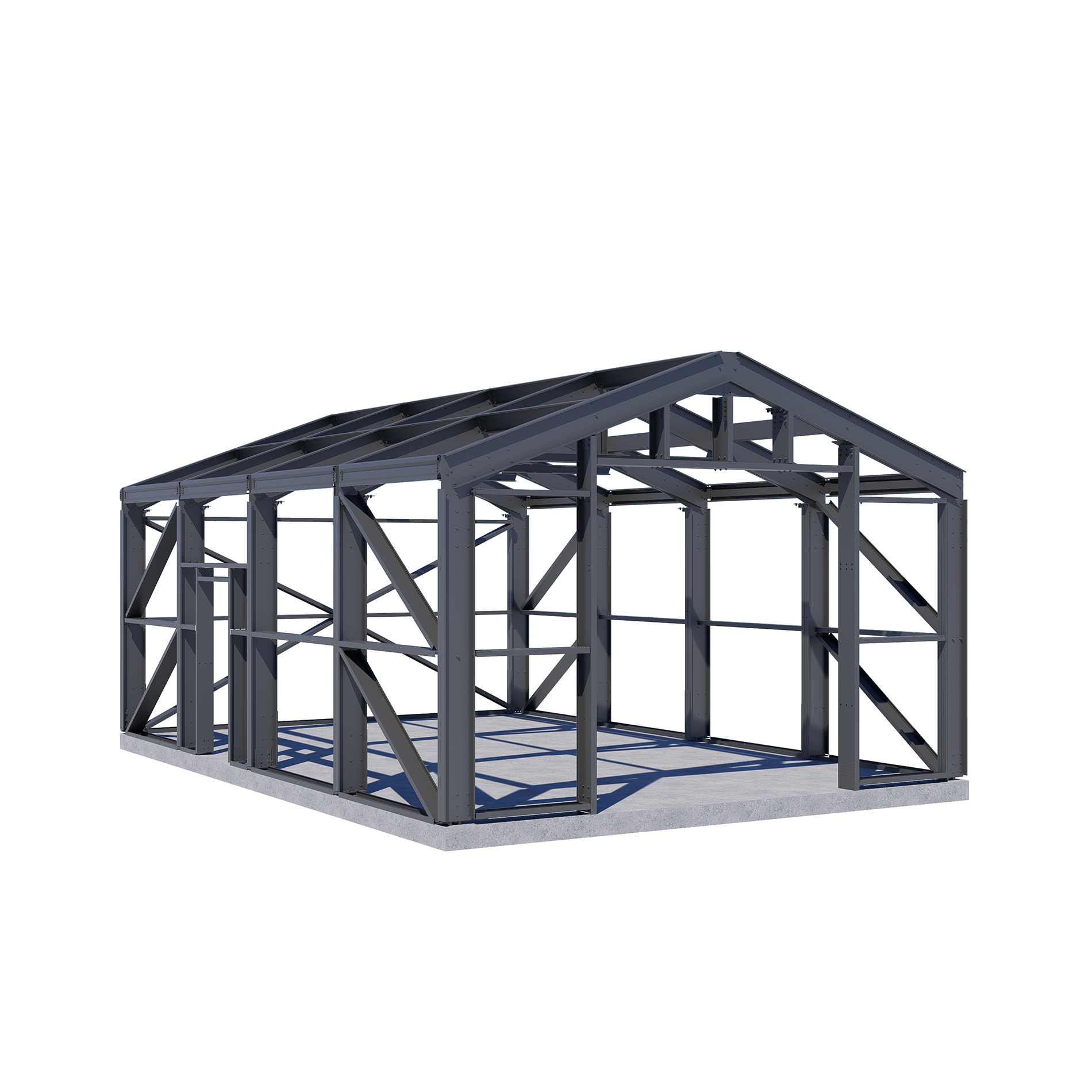
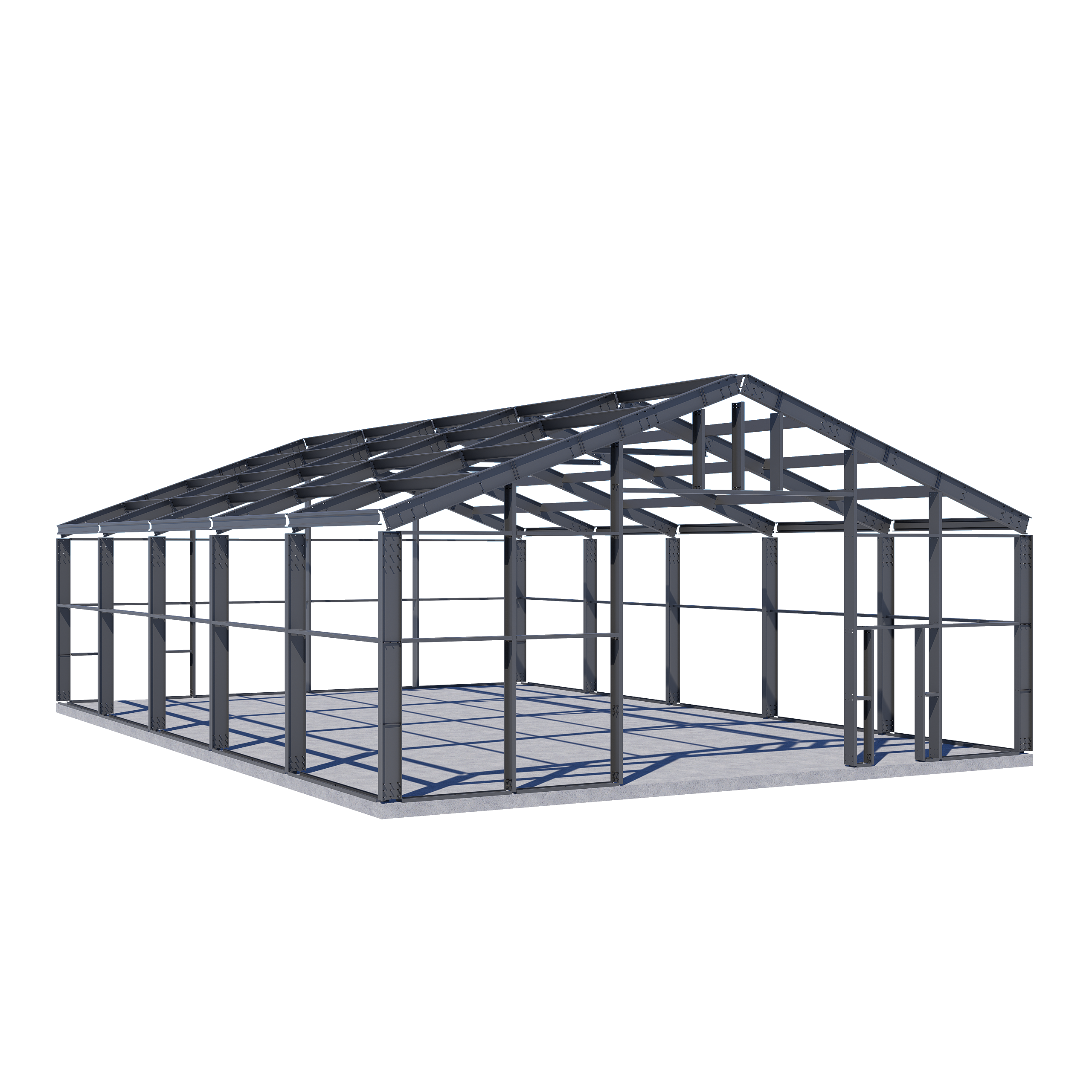
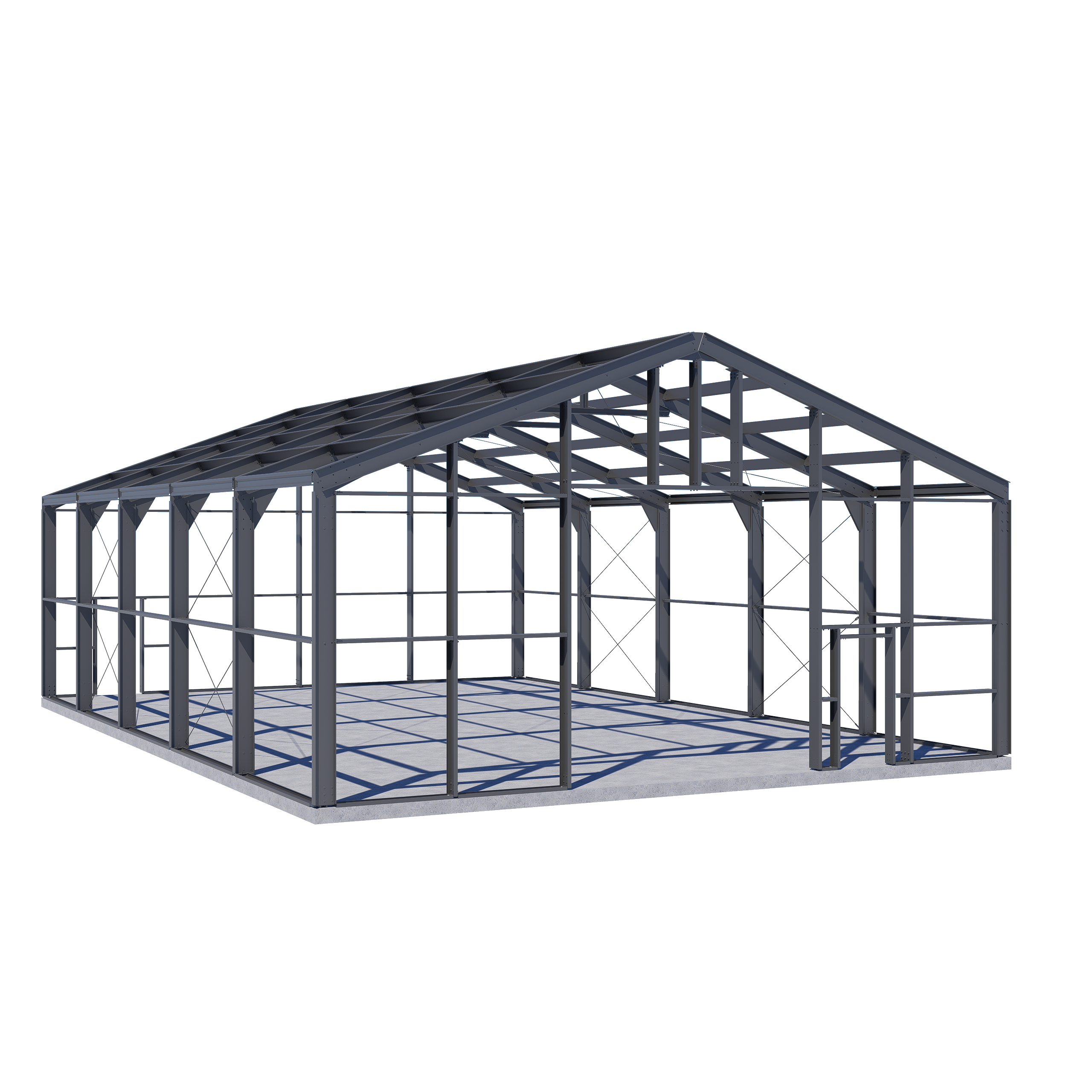
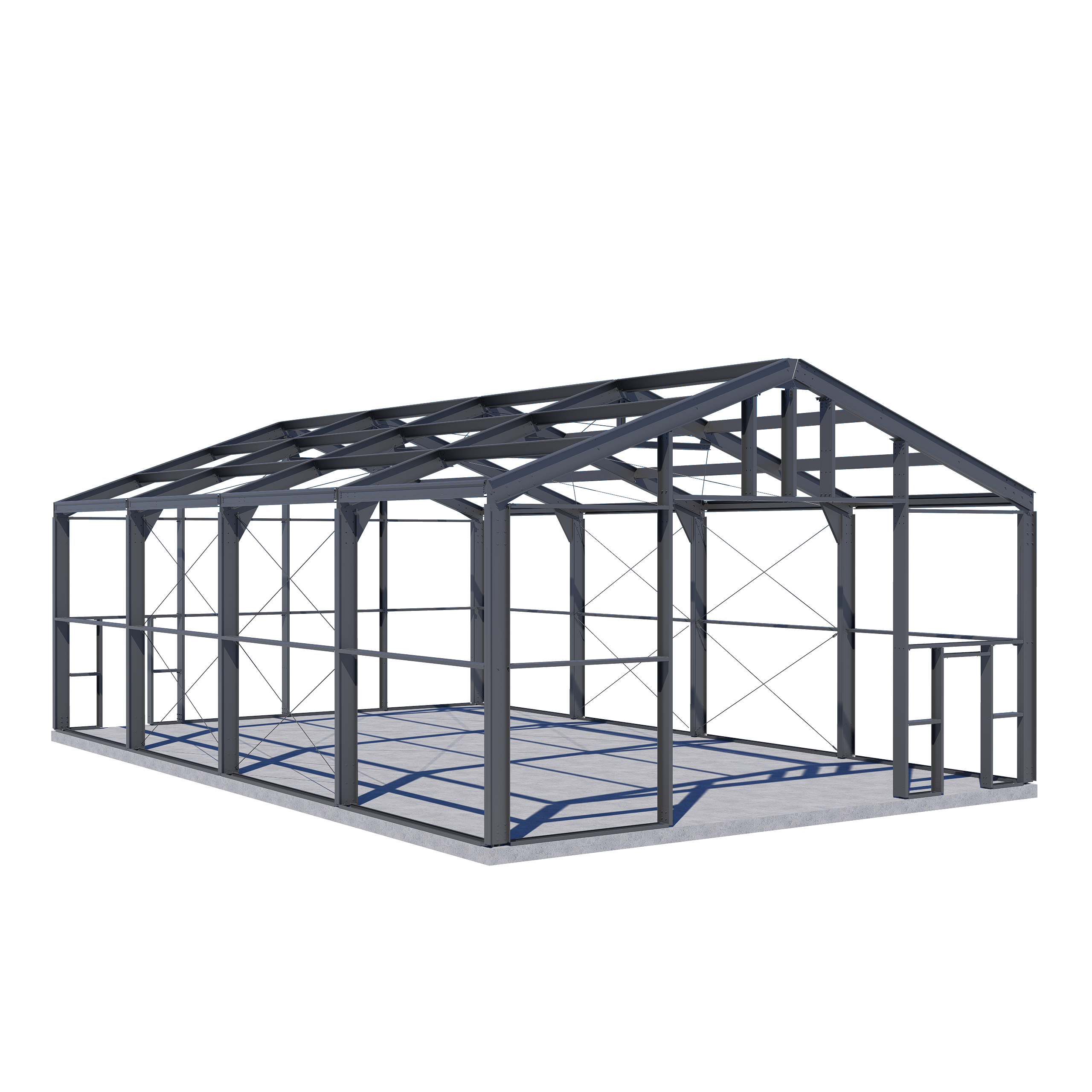
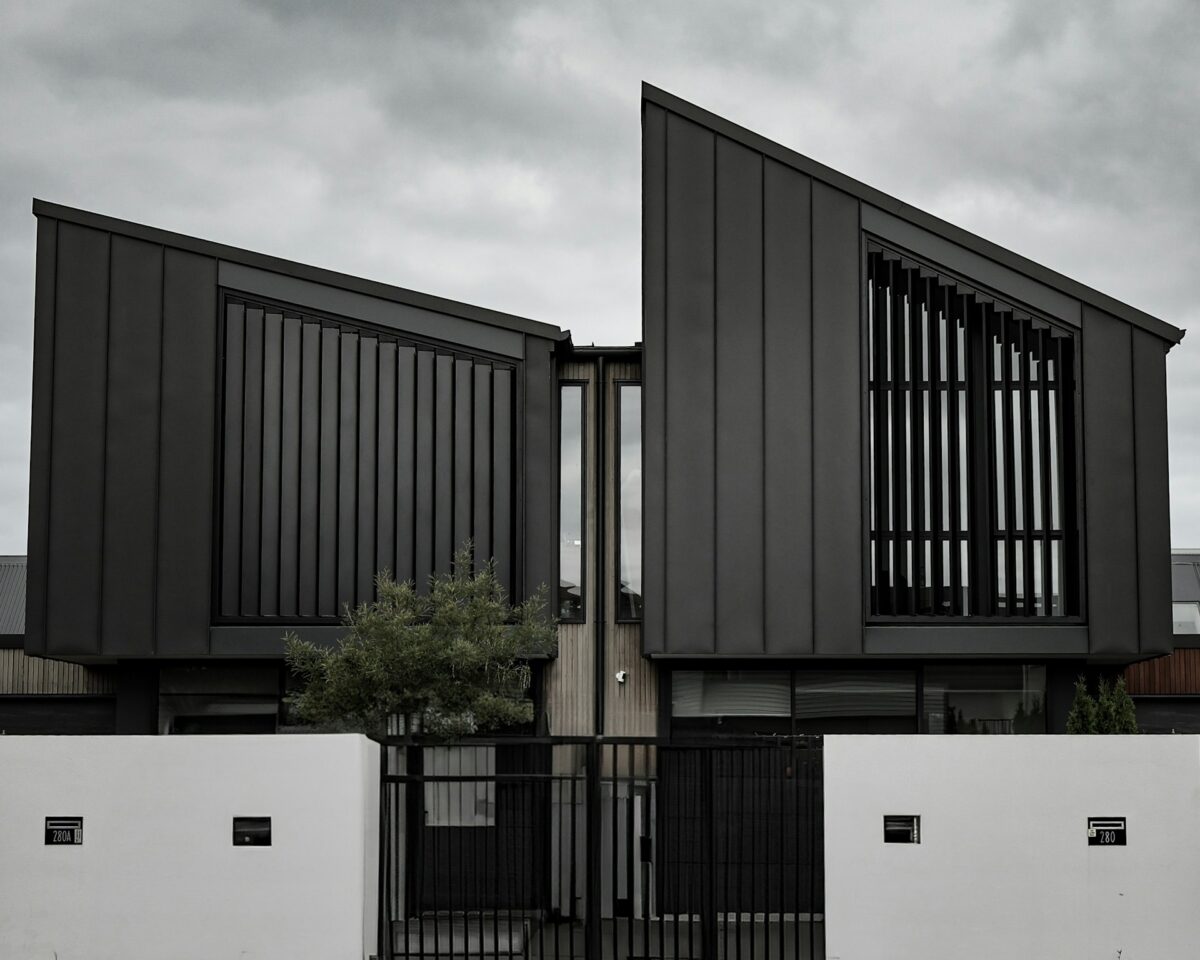
Winter can challenge any home, especially in a country like Canada where extreme cold, snow, and wind are part of everyday life for months. More people are choosing steel frame homes, and it makes sense to ask how they actually perform when the temperature drops. Are they warm, solid, and safe in sub-zero weather?
The truth is, steel frame homes stand up to winter in ways that work well for many different climates across Canada. From holding heavy snow to resisting frozen rain and high winds, the structure matters. In this article, we’ll talk through the practical ways steel helps homes stay strong and comfortable through the coldest months.
Built to Handle Heavy Snow
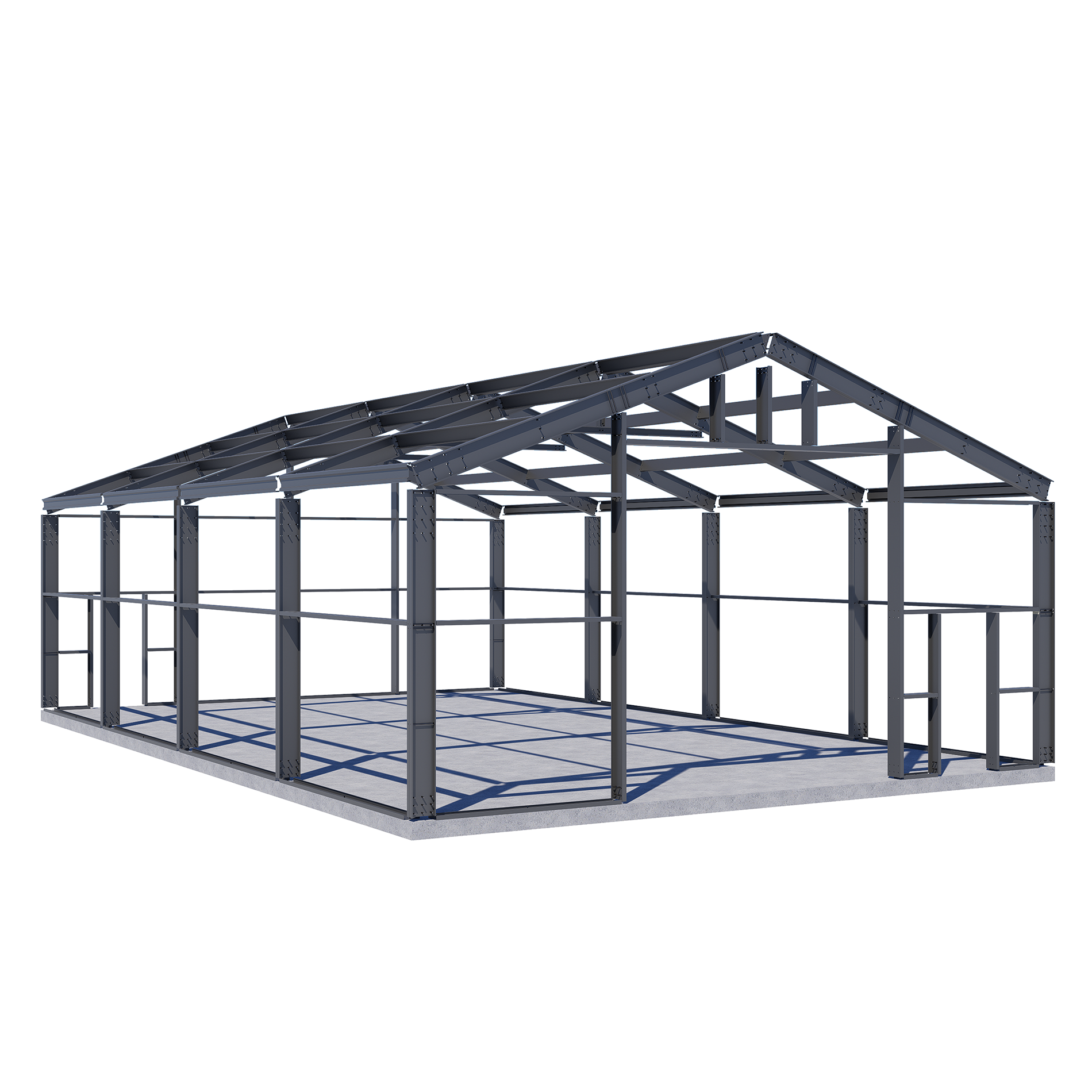
Snow puts a lot of pressure on roofs and walls. When that pressure sticks around, it can damage parts of a home over time. But steel is a strong, steady material that deals with snow loads really well.
• A steel frame holds its shape when snow piles up, so we don’t have to worry about sagging or shifting
• Roofs stay straighter and stronger, which helps snow slide off instead of building up
• That strong shape also helps with keeping ice from creeping into corners and seams, which means fewer leaks and less damage over time
The structure of the roof and walls matters more than just the material. It’s about the way things come together to hold heavy weight without giving in to pressure. And steel is made for that kind of job.
Steel’s ability to bear snow load is especially important in places where winter storms can surprise us with a sudden dump of heavy, wet snow. Wooden structures may start to bow or show signs of strain as snow increases, while steel maintains its form. This gives peace of mind throughout those tough winter nights, knowing the house is built to handle what nature throws at it.
Won’t Shrink, Warp, or Crack
Cold weather hits different building materials in different ways. Some shift around when the temperature changes, which can lead to cracks or gaps in the home.
Steel doesn’t do that. It stays the same size and shape through wide swings in weather. That’s a big help in places where winter starts early and ends late.
• Walls stay where they’re supposed to, which means fewer gaps around windows and doors
• Doors don’t suddenly stop closing right from warping frames
• There’s less chance of cold air sneaking in through places you can’t see
Many homeowners know that wooden frames can be affected by dry winter air and freezing temperatures, which can cause shrinking or swelling. Over time, these changes can lead to drywall cracks or trim that doesn’t sit quite right. But steel’s steadiness brings more predictability to how a home weathers the season. Windows keep their tight fit and drafts are less likely to form, which means the comfort level inside remains consistent week after week.
This kind of stability makes a big difference in how solid a home feels during the winter.
Better Support for Insulation
Keeping a home warm comes down to more than just the heater. The way the building is shaped plays a big part in how well it holds in heat and blocks out cold.
Steel frame homes make it easier to build thick, well-insulated walls. The strength of the frame lets us place insulation exactly where it’s needed, with tight fits that don’t leave open spaces behind.
• Strong frames support dense insulation that traps warm air inside
• Walls and ceilings can be built to handle both insulation and air sealing
• The tighter the home is sealed, the less heat escapes into the cold
When things are built right from the start, heating systems don’t have to work as hard, and that helps keep things comfortable, even on the coldest nights.
A home’s design should work for comfort as well as safety. With a steel structure, energy efficiency becomes easier to achieve. Insulation can be layered to suit the climate, and air barriers can be added to help stop heated air from escaping. This is especially valuable during long Canadian winters, when the cost of heating can quickly add up if a home isn’t well prepared.
A tightly built steel frame also helps reduce heating costs and keeps the indoor temperature stable, no matter how cold it gets outside. That means you can enjoy a cozy living space throughout winter, and your heating system has less stress.
Fire Resistant and Low Maintenance
Winter often brings extra risks around fire. Space heaters, frozen wires, and overloaded outlets can lead to problems. Steel doesn’t catch fire, which adds a layer of safety that’s worth having.
And when snow melts or ice builds up outside the house, steel doesn’t absorb moisture like wood does. That means fewer long-term issues once the freeze is over.
• Steel won’t burn, which helps protect the structure during power issues or heater problems
• No worry about rot or mould from snow melt working into cracks
• Steel doesn’t invite pests the way wet wood can, helping homes stay clean and dry
Steel frame homes also simplify spring upkeep. Homeowners don’t need to worry about complex repairs to structural elements because there’s no wood to rot or joints to swell from moisture. Seasonal changes become less of a concern, and the home stands up better over time. Not having to deal with routine painting or swapping out sections of discolored material saves effort and lets residents focus on enjoying their living space.
The less extra work a home needs after winter ends, the more time we can spend enjoying it through the season.
Last Through Years of Freezing Winters
Canada doesn’t do halfway winters. In many places, the cold lasts for months at a time, and buildings deal with everything from frozen wind to blowing snow week after week.
Steel holds up well through year after year of those kinds of conditions. That long-term strength matters when choosing how your home is built.
• Walls don’t wear down from cold and wet cycles
• Connections stay firm, which means less fixing or tightening become needed over time
• Fewer repairs in the spring, and more confidence through the worst days
Over many winters, some building materials can weaken, but with steel, the structure remains strong and secure. There’s lasting peace of mind knowing the home is made to succeed through repeated winter cycles. Doors and windows won’t shift out of square, finishes on the inside won’t start to crack, and insulation stays in place. This means the integrity of the entire structure is preserved well into the future without the constant worry of cold weather taking its toll each year.
It’s the kind of material that lets us build once and trust it to last through many winters ahead.
Strong, Warm, and Ready for Winter
Steel frame homes are tough enough for Canada’s winters, but they’re more than just strong. A well-built frame helps support the things that really matter when it’s freezing outside. From holding heavy snow to sealing in heat, they cover all the basics.
They keep their shape when it’s cold. They hold insulation where it needs to be. They stay dry, even when the weather isn’t. That’s the kind of home we can count on when the wind picks up and the snow keeps falling. A solid frame makes the whole house feel warmer, safer, and ready for whatever winter brings.
If you want a home that performs well all season, a steel frame could be the answer. The thoughtful design means you can relax indoors while the worst of winter stays outside. Combining durability, energy-efficiency, and low effort for repairs, steel structures make life easier during the coldest months.
At Dutech Structures, we know how important it is to create homes that stand up to the challenges of long Canadian winters while maintaining comfort and durability. One of the greatest benefits of choosing steel frame homes is their ability to withstand snow, cold, and moisture without compromising structural integrity. With a strong foundation in place, we add high-quality insulation, dependable roofing, and precise sealing for protection through even the harshest seasons. Planning your next project to be resilient all winter long? Reach out to us today to start the conversation.