


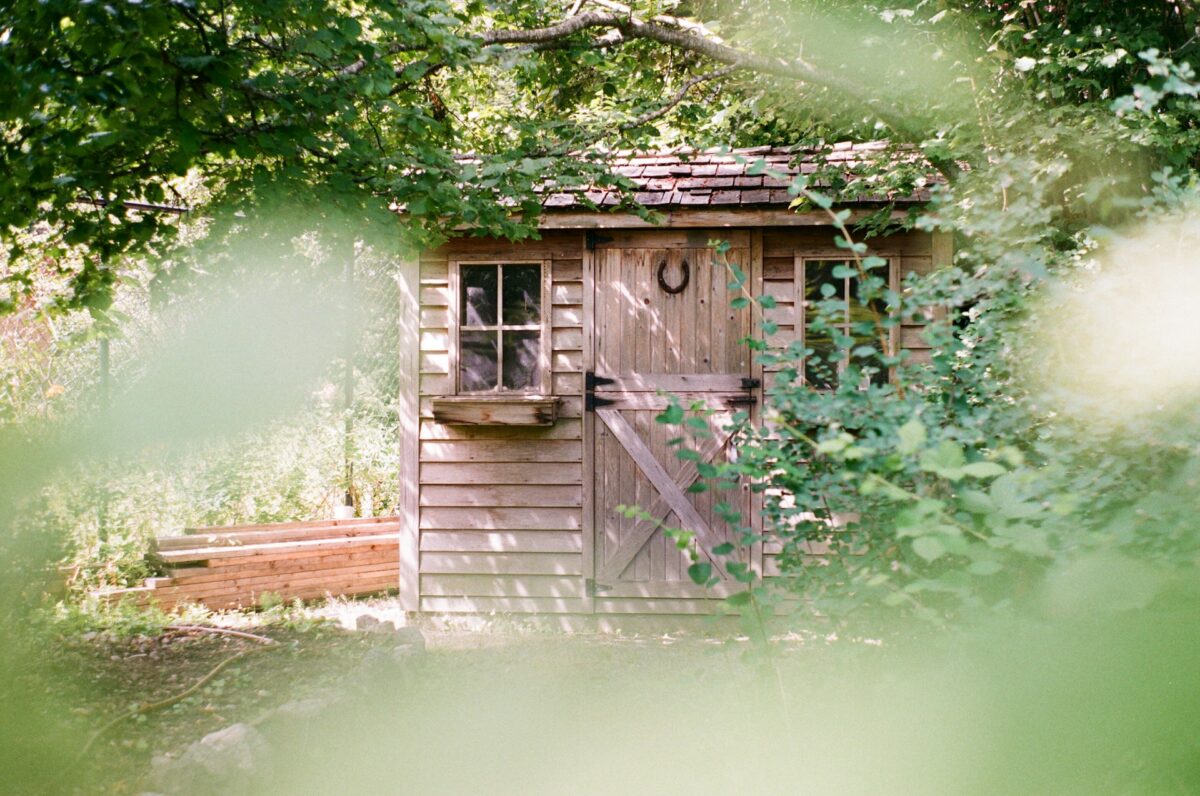
As soon as March rolls in across Canada, signs of spring start to show. Days get longer, snow begins to melt, and everywhere you go, the ground feels a little wetter than before. With all that moisture, sheds can go from helpful to a headache pretty fast.
If you’ve ever opened a damp, draughty shed in early spring, you know what we mean. The gear’s wet, the floor feels soft, and nothing smells quite right. That’s where a well-built insulated shed in Canada comes in handy. It holds up when the weather swings back and forth and gives you a place that stays dry, even when everything around it doesn’t. This post looks at the problems snowmelt can cause, and what to look for in a shed that’s ready before spring fully arrives.
Why Snowmelt Causes Problems for Sheds
Spring melt doesn’t just make puddles. It soaks the ground, pushes water into spots it usually doesn’t reach, and makes materials shift against each other.
- Ground movement affects the shed base and can cause leaks at the edges
- Water collects around the foundation and seeps inside through weak joints
- Fatigue from freeze-thaw cycles makes small gaps grow, letting in more moisture
If a shed has any cracks or weak spots, now’s when they show. And if it doesn’t have proper airflow or protection inside, things can go downhill fast. That moisture hangs around. Tools rust, feed goes bad, and anything stored directly on the floor ends up damp to the core.
Spring is the best time to give your shed a good once-over before the wet gets worse. A few signs show up right as the snow melts: smell, surface pools, or swelling around entry points. If water already made it in, that’s your sign to change something before it gets out of hand.
What Makes an Insulated Shed Work in Spring Weather
A good shed keeps rain and melt out, but an insulated one takes that a step further. Insulation holds heat and seals in comfort, but it also blocks moisture in ways people sometimes forget. In spring, that makes a big difference.
- Thicker walls with tight-fitting panels stop water from tracking inside
- Sealed doors, joints, and vents help shut out wet wind and rising damp
- Added roof insulation cuts down on interior condensation from cold nights and warmer days
Temperature swings matter too. On a sunny morning, snow might melt fast, then freeze again overnight. That back-and-forth pulls at unsealed frames and encourages leaks. A cold shed with no buffer builds up condensation indoors, which ends up soaking everything over time.
When we look at the difference between builds, this is where insulation pays off. It isn’t just about staying warm in winter; it’s about keeping the inside dry and steady while the outside changes constantly.
Smart Spring Layouts and Features for a Tougher Shed
Spring is when foresight really counts. Some layout choices and structural changes help handle melt better, even if the weather turns sideways fast.
- A raised shed floor, pavers, or gravel pad stops water from pooling at the base
- Doors with gaskets close tighter and help resist windblown snow or spring gusts
- Roof vents and small side vents keep air moving to avoid stuffiness or damp patches
If water finds an easy path under the door or into the corners, it will take it every time. That’s why we like features that offer barriers, things that slow water down, divert it away, or let it drain quickly.
Even small details can make a soggy spring simpler. A lip at the door, curved downspouts, spaced shelving rather than stuff stacked on the floor, all of that keeps air flowing and water moving in the right direction: away from your shed.
How to Get the Most Out of an Insulated Shed in Canada
Cold nights and damp days don’t make it easy to store anything safely, but an insulated shed helps even out those conditions so you don’t have to worry as much. That said, just having the right kind of shed isn’t all there is to it.
- Keep gear off the floor using pallets, shelving, or hooks
- Store bulk items like feed or seed in sealed bins or buckets
- Ventilate whenever the weather cooperates to let the air clear
Around late March, it’s worth running through a spring shed check. Look at your weather stripping, seals, and vents to make sure they didn’t wear out over winter. Sweep out old leaves or dirt that may have held moisture. And clean up anything that might’ve soaked up water when the first few warm days hit.
Doing this gives you more control over the rest of the season. Your space stays ready, and you’re not using wet tools or dealing with damaged supplies when projects pick up again.
Built to Handle Melt, Mud, and March Weather
When the snow starts to melt across Canada, everything feels a little uncertain. Roads get soft, boots sink into mud, and sheds take the full hit of the changing season. That’s why a structure with good insulation and smart design matters. It stays strong when conditions outside keep flipping back and forth.
A dependable shed gives you dry space no matter how wet the yard gets. You can step inside, grab what you need, and trust that everything you’ve stored is just like you left it. With early spring on the way, now’s the time to get clear on what works, what needs fixing, and how to keep your storage simple and solid through every stage of melt.
Preparing for another round of freeze-thaw cycles and soggy ground can be challenging, but we can help you keep your storage protected throughout spring. Choosing an insulated shed in Canada means worrying less as snow turns to slush and feeling more confident when the weather changes. We’ve seen the difference the right materials and setup make during early-season melts across the country. At Dutech Structures, we’re happy to discuss what will fit your space and needs, so reach out whenever you’re ready.