


Spring can be a tricky season across Canada. Snow melts, winds pick up fast, and heavy rain tends to arrive when you least expect it. For anyone working with large buildings or outdoor structures, this weather shift can cause delays, damage, and headaches. That’s where a strong setup makes all the difference.
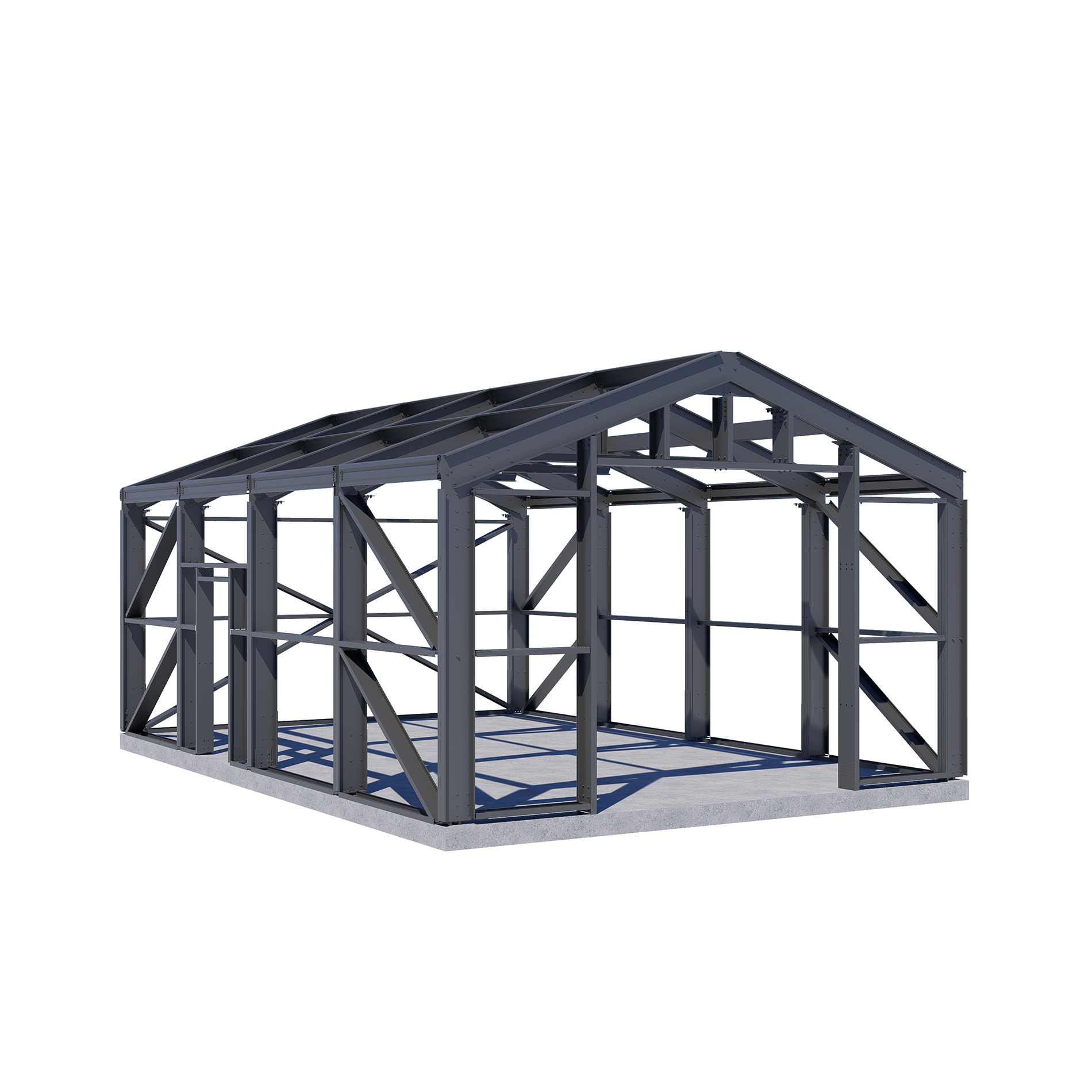
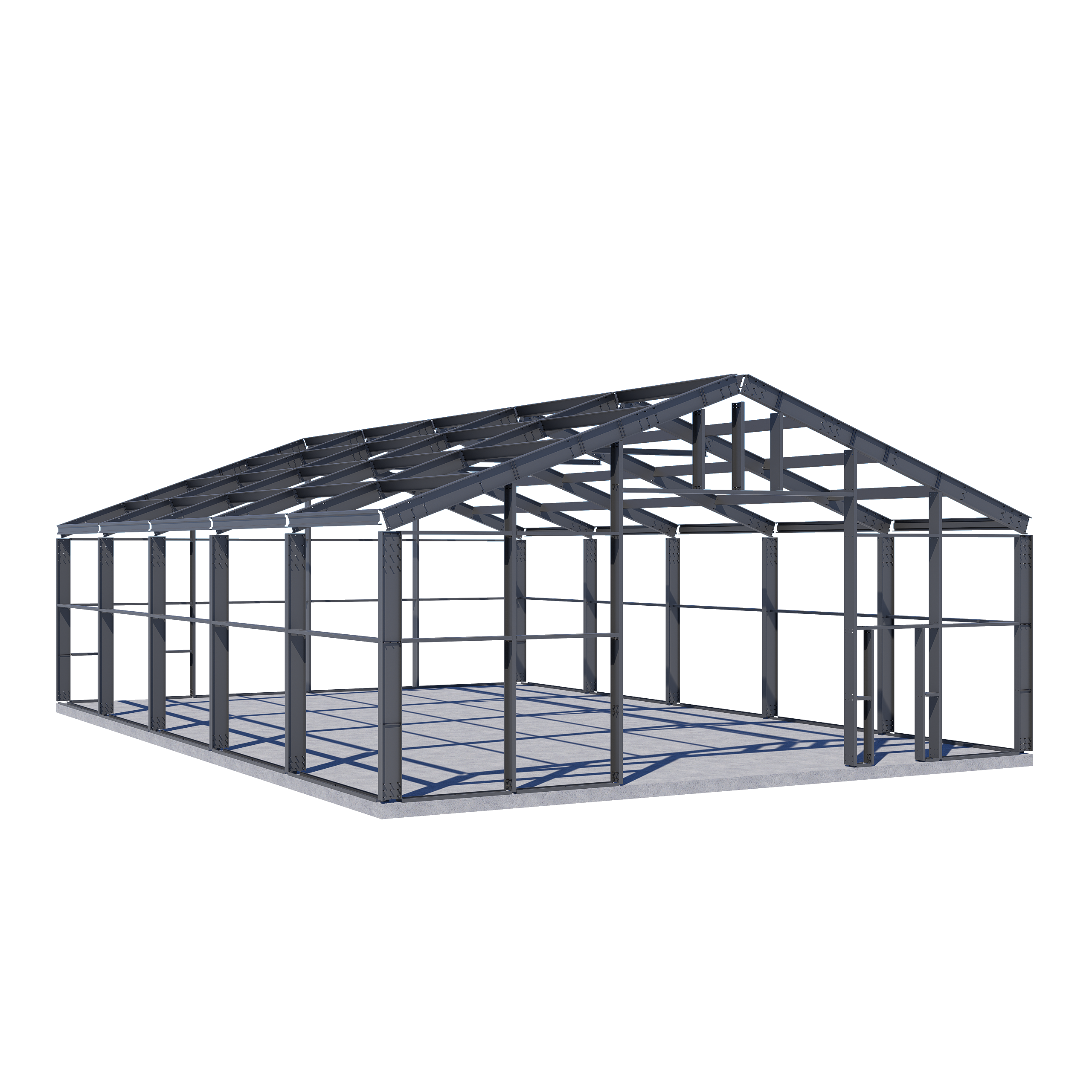
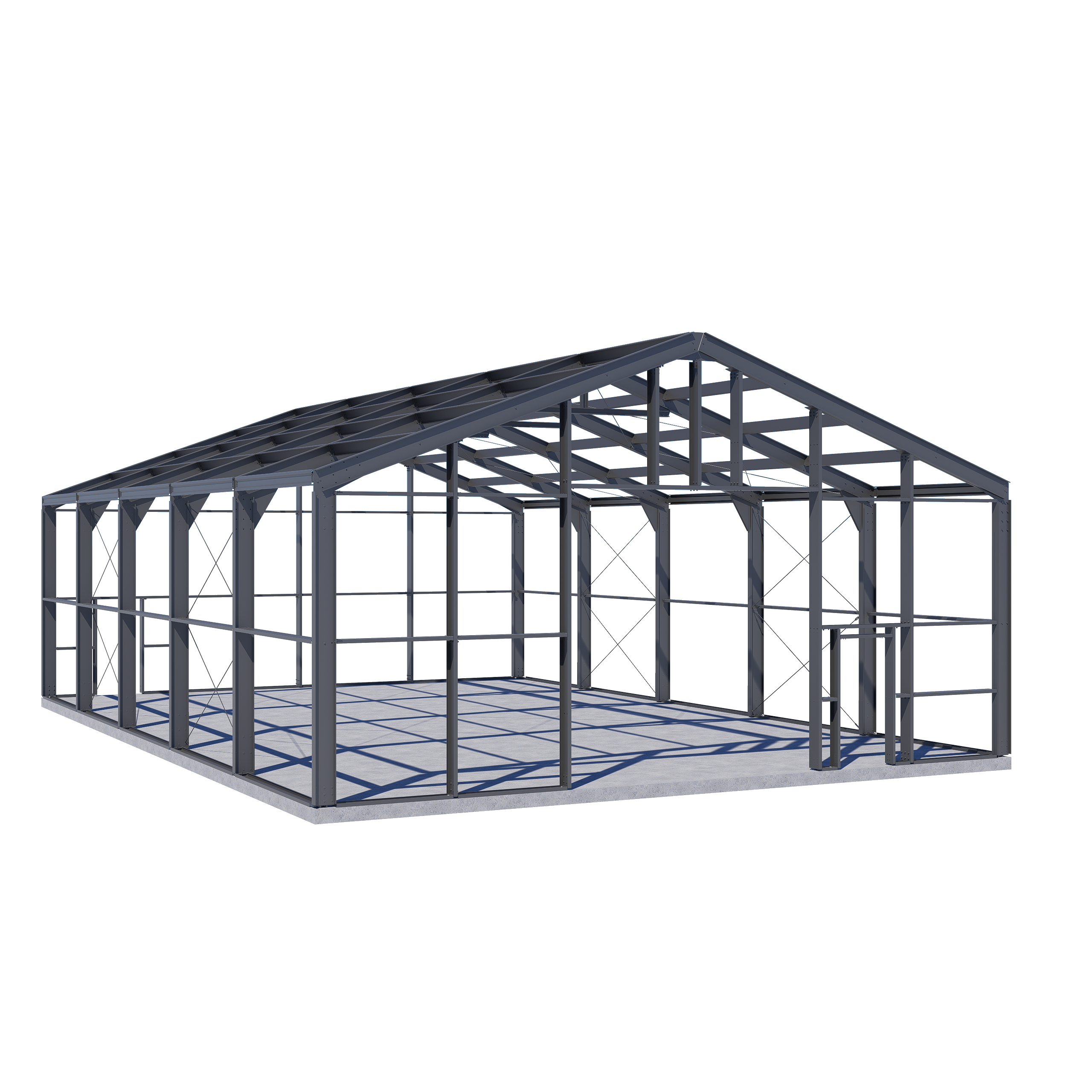
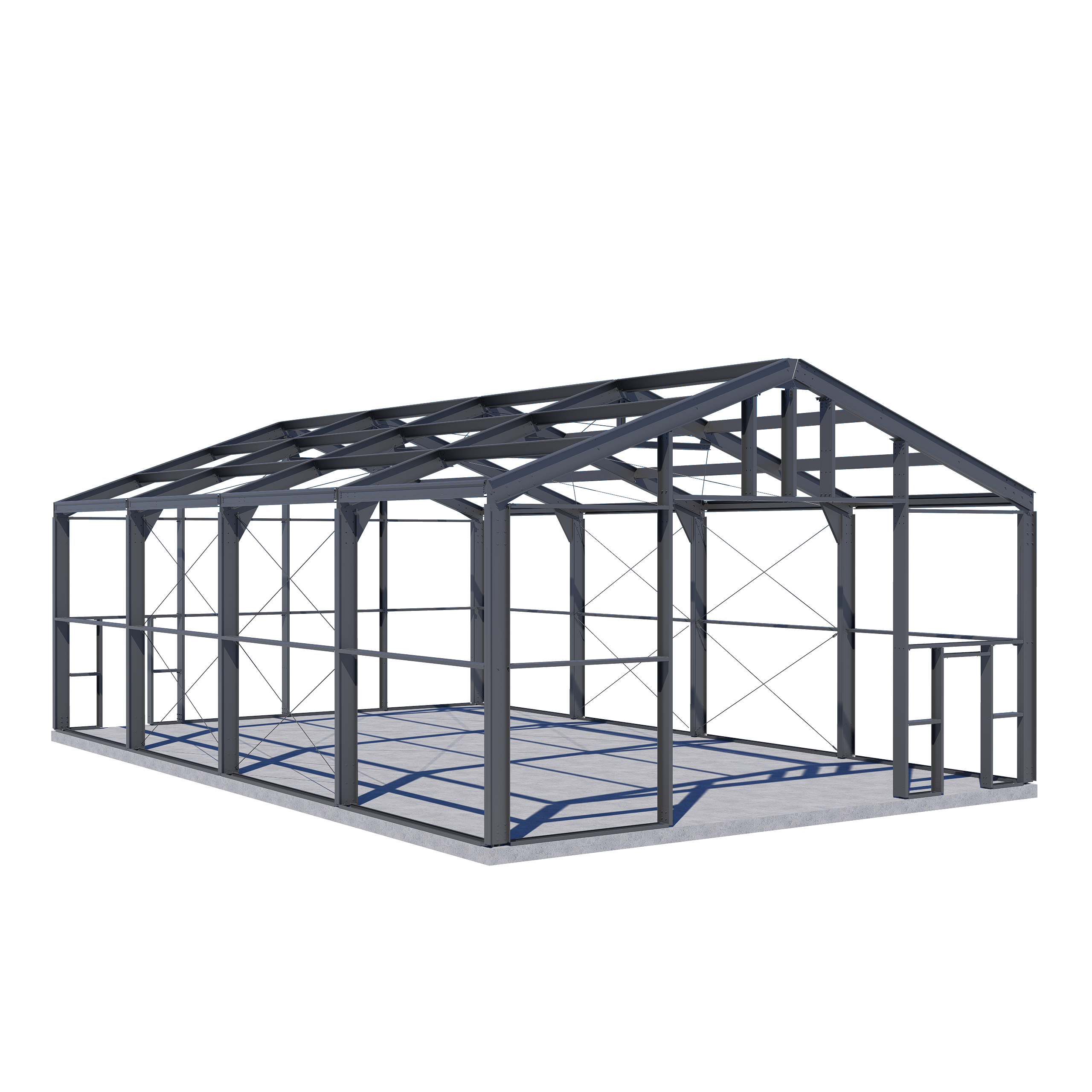
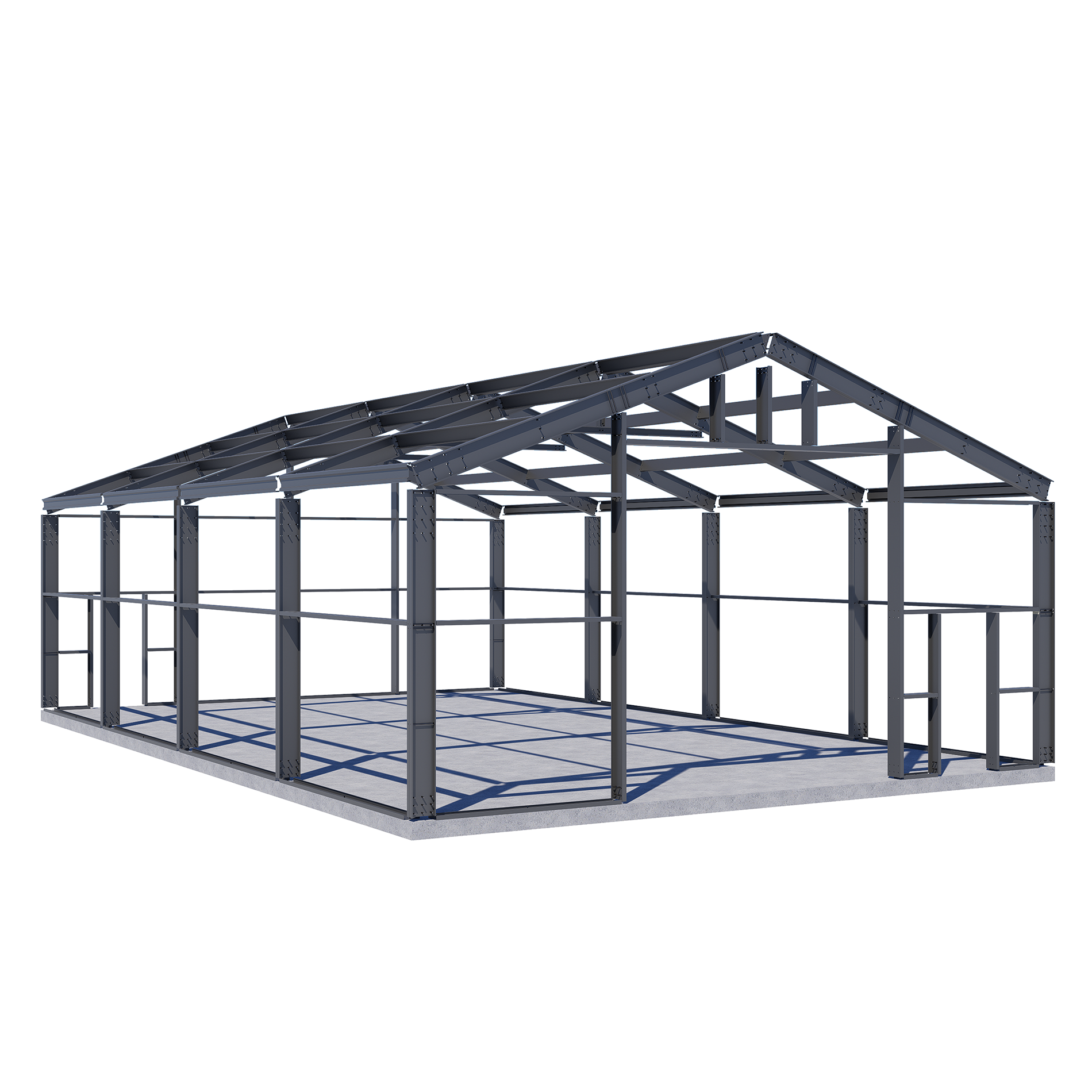
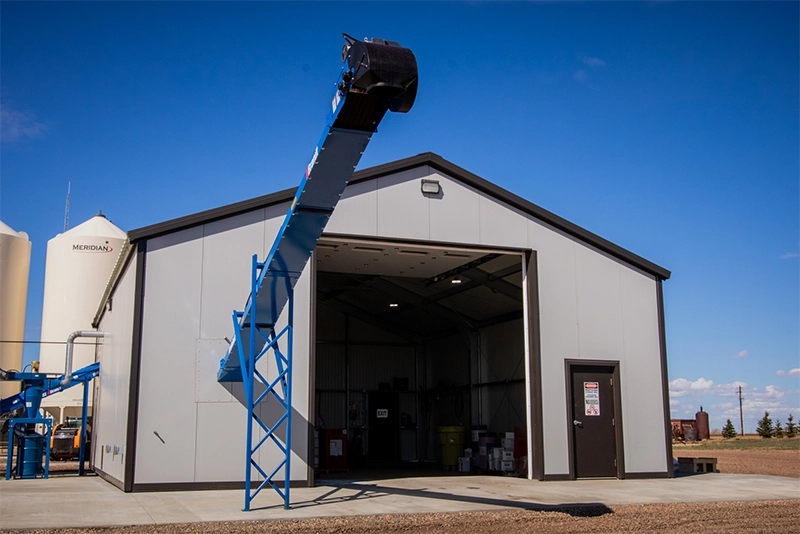
A steel structure building stands up well to spring’s unpredictable nature. Its design keeps both the building and anything inside safer when the weather turns rough. Let’s walk through the reasons these buildings are built for this season and how their features help keep projects moving, no matter what spring skies decide to do.
Built to Bend, Not Break
Steel frames aren’t rigid the way other materials can be. They’re strong, yes, but they can also flex when needed. That means when spring storms whip through with sudden gusts, a steel structure has some give. It doesn’t snap or split like wood might.
- Pre-engineered buildings often use connections that hold tight, even when winds change direction.
- The frame’s strength comes from how the parts work together, not just from any single piece.
- This keeps the building standing firm through fast-moving storms that shift from calm to gusty in minutes.
Canada’s spring winds can be more than just breezy; they can roll in with no warning. Having a frame that can move with that pressure instead of fighting it helps prevent damage and makes repairs less likely later.
Another key advantage of this flexibility is that steel frames are tested for strength. This means they meet certain standards for resisting wind and pressure, which is especially important across many parts of Canada where spring weather can quickly turn from calm to intense. Sometimes, winds blow in ahead of a storm, creating sudden force that tries to shake a structure apart, but with steel, the design supports itself even in harsh conditions.
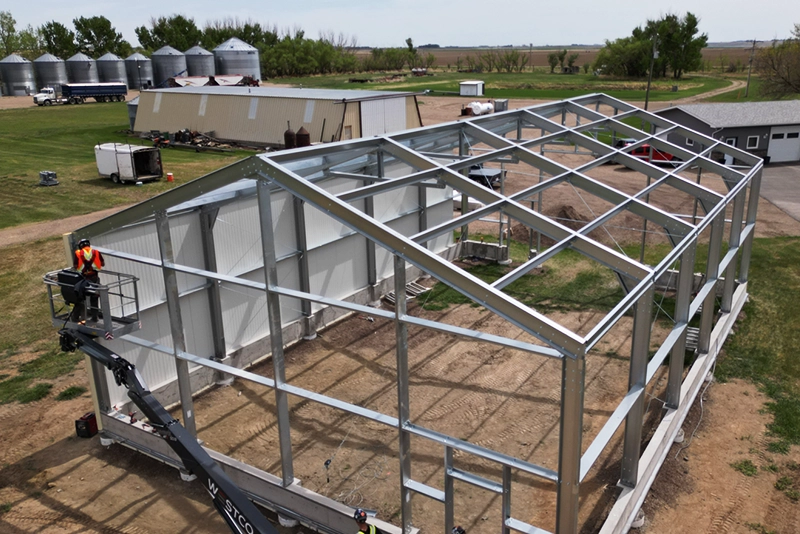
When builders assemble a steel structure, they connect beams, columns, and panels using bolts and special fasteners made to resist this kind of movement. Everything clamps together tightly, and even if the wind comes from an unusual direction, the building doesn’t quickly loosen or weaken. Over time, this leads to fewer repairs, and means less worry about checking every connection after each major storm.
Designed for Fast Drainage
One of the biggest issues in spring is dealing with water. When rain hits fast and heavy, you want it off your roof and away from your foundation, quickly.
- Steel roofs can be angled and shaped to move water down and out right away.
- Built-in gutter systems help keep water from gathering near the edges.
- Downspouts direct runoff where it won’t cause damage or pooling.
Wet ground in spring is common, especially when the snow hasn’t fully cleared or the frost is still melting. A good drainage system helps manage all that natural runoff so it doesn’t end up seeping into places it shouldn’t.
Without proper drainage, water can cause a lot of trouble around a building. Pools at the foundation can weaken the ground, causing shifts or cracks in the base. Even for temporary buildings or storage spaces, spring rain needs to be moved away fast to prevent things like flooding or soggy work areas.
Steel buildings are designed with this in mind from the start. Architects and engineers look at the highest likely rain levels and plan the roof’s slope and the gutter size to fit. This way, when a heavy spring downpour arrives, water won’t back up and pool on the roof, which could cause leaks or even damage over time. Instead, well-placed gutters and pipes collect water, guiding it away where it can safely flow out past doors, barnyards, or parking lots.
Tough Against Temperature Swings
Canadian spring weather can flip from sunny to chilly in a single day. That jump between warm and cold isn’t just annoying; it can wear down some building materials fast. Steel does better under that kind of stress.
- Expansion joints are built in to let steel stretch and shrink as temperatures change.
- These joints keep the steel from cracking when it gets cold or bending out of shape when it’s warm.
- The design keeps walls and rooflines stable without gaps that let rain inside.
It’s this built-in flexibility that helps steel perform well in spring’s fast-changing climate. You don’t end up fixing damage from every warm spell followed by a cold snap.
If you’ve ever watched how some exterior paints, wooden siding, or shingles respond when the temperature jumps, you know how cracks and warping appear fast. With steel, there’s less of this worry because the materials are chosen to match local climate conditions. For instance, in Ontario or Alberta, where daytime temperatures can swing by several degrees between sunrise and late afternoon, a steel structure can absorb these changes with minimal shift or popping sounds, and without damaging the structure.
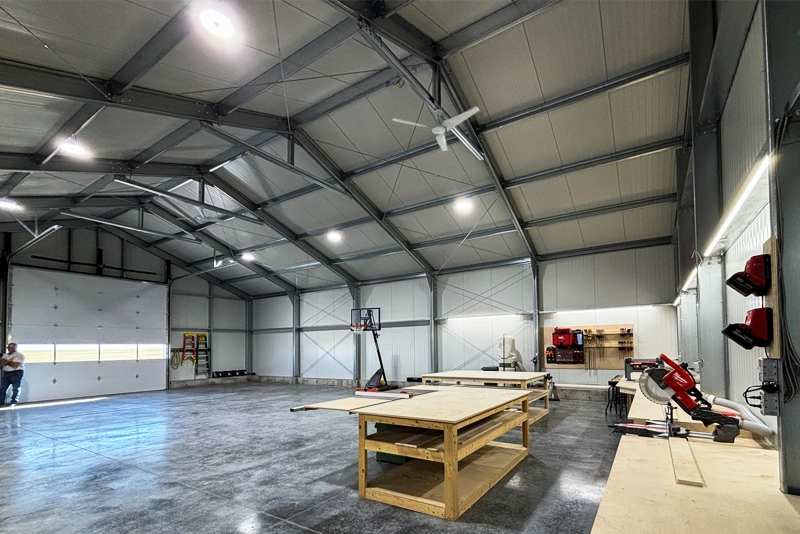
This benefit extends to insulation as well. Well-insulated steel buildings hold their temperature better, making it easier to manage comfort inside, whether you’re storing equipment, working with animals, or setting up for repairs. The consistent performance through sudden temperature changes means there’s less need to repair or reinforce joints and seams.
Minimal Impact from Moisture
Spring means rain. And rain, left unchecked, can warp, rot, or weaken a structure. But steel doesn’t absorb water, and it handles damp conditions much better than other materials.
- Steel doesn’t swell, split, or grow mould when exposed to water.
- It’s often treated with protective coatings that resist rust.
- This keeps the frame solid, even if it rains for days at a time.
Compared to wood, which can become soft or develop mildew, steel stays solid in wet conditions. That makes it a smart fit for Canada’s drawn-out springs when dry ground is rare.
Letting moisture sit on building beams or supports is a common issue in early spring. As temperatures get milder and snow melts, anything that stays damp for too long can become a concern, especially inside sheds or barns that aren’t totally sealed. In wood buildings, this may lead to soft spots, warped boards, or smelly mould patches.
Steel avoids many of these issues outright. Protective coatings, like zinc or specialized paint, are added at the factory level to block rust before it starts. Even if the building is in a damp location, these treatments help the steel resist decay, keeping everything sturdy for the long term. When rain returns day after day, having that barrier makes a huge difference for both the outside walls of the building and any support beams tucked away inside.
Built with Spring in Mind
When buildings are designed with harsh weather in mind, it shows. Most steel kits are built to deal with the kind of spring weather Canadians know all too well.
- Roof panels are tested for rain and wind loads typical of spring in many provinces.
- Fasteners and anchors are designed to stay strong even when the building gets hit from multiple angles.
- Steel panels are shaped to deflect wind and not catch it.
The load ratings matter here. When designers account for the weight of heavy spring rains or the drag of strong winds, they can make smarter choices during construction. That kind of planning means fewer problems for the people who end up relying on the structure.
During spring construction, builders often review weather forecasts to plan their work. Steel structure kits help since they’re easy to assemble and allow for quick progress between good weather windows. Panel shapes and sizes are selected to lock together tightly, reducing open seams that would otherwise let in water or wind.
Fasteners, such as bolts and screws, are picked for their ability to resist loosening. Some even use special washers that grip tightly and flex without popping off. Over time, these small details add up to a solid whole. When tough storms sweep across wide parts of Canada, the structure remains steady, and maintenance is usually limited to simple inspections.
Why Strength Matters When the Weather Turns
Storms don’t schedule themselves. They show up early, change direction often, and don’t care about your project plans. But spring doesn’t have to throw everything off track.
Buildings that hold steady during these changes make it easier to plan, store materials, and keep people safe. When the walls stay upright and the roof holds firm, everything else gets a little easier to manage.
There’s a peace of mind that comes with using materials you trust. Steel goes up strong and stays that way. And when the next storm rolls over the horizon, you’ll be glad the building is ready for whatever hits.
Whether you’re starting a new project or maintaining existing space, knowing the structure on your property can weather a tough spring is a big help. Fewer repairs and less downtime mean you stay focused on the work that matters most. Setting up with steel is a decision more Canadians are turning to as weather patterns continue to be unpredictable through spring.
Spring weather in Canada can be unpredictable, so having a dependable building setup is important. At Dutech Canada, we construct every project to deliver strength and lasting performance, even when the conditions change. See what a solid and reliable steel structure building can offer, and contact our team if you want to discuss your plans or have questions.