

July heat in Canada can really settle in, especially when buildings aren’t built to let air move freely. Whether it’s a backyard shed, a garage, or even a steel-framed outbuilding, those spaces can turn into ovens if they’re not set up right. Fans and vents help, but there’s more to staying cool than just flipping a switch. The way we wrap our buildings matters too.
That’s where exterior wall cladding comes in. It works quietly in the background, but its job is big, helping our buildings breathe and stay cooler in the summer. Good airflow doesn’t just make things more comfortable. It keeps everything inside working better, feeling better, and lasting longer.
Why Airflow Matters in the Summer
Once July hits and the sun gets high, even a short time outdoors can feel like too much. For buildings, it’s even worse. When walls absorb and hold onto heat, the temperature inside climbs fast and stays there. Add in some humidity, and things get sticky and uncomfortable in a hurry.
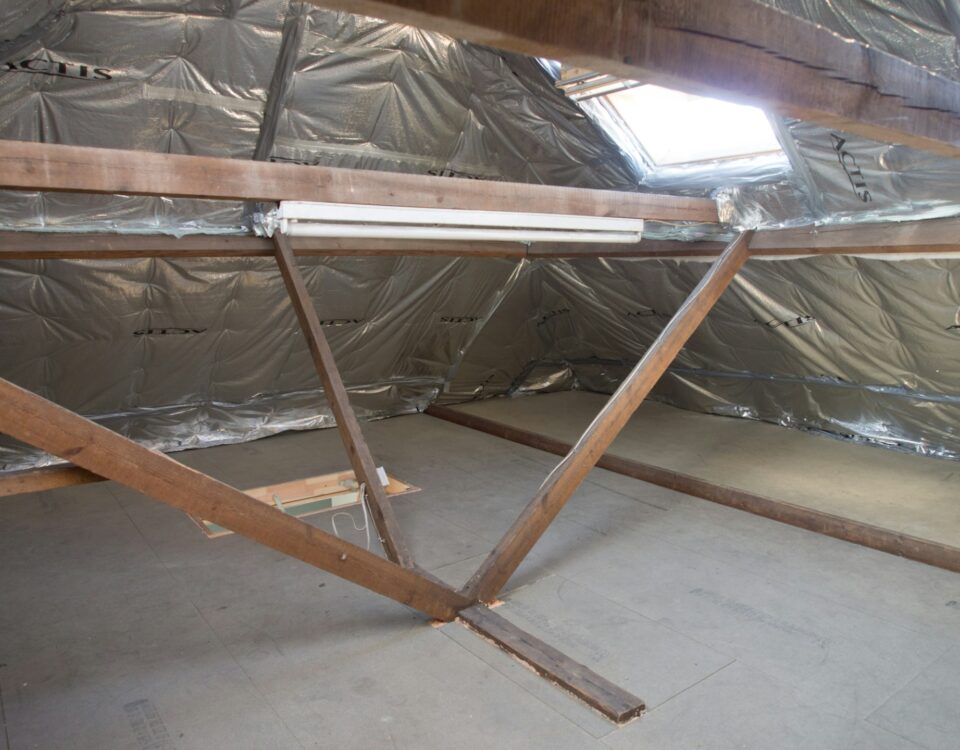
That kind of trapped heat isn’t just annoying. It affects everything from how we work to how long our tools and supplies last. If air can’t move through or out of a space, moisture lingers and surfaces stay hot. Over time, that wear shows.
Keeping the air flowing helps kick out the heat. It lets warmer air escape while pulling in fresh, cooler air from shaded or open sides. This natural movement helps:
- Keep indoor air from feeling heavy and stale
- Lower the risk of moisture buildup that can cause damage
- Make small spaces more usable, even during a mid-summer stretch
In simpler terms, steady airflow gives warm spaces a way to reset.
How Exterior Wall Cladding Helps Air Move
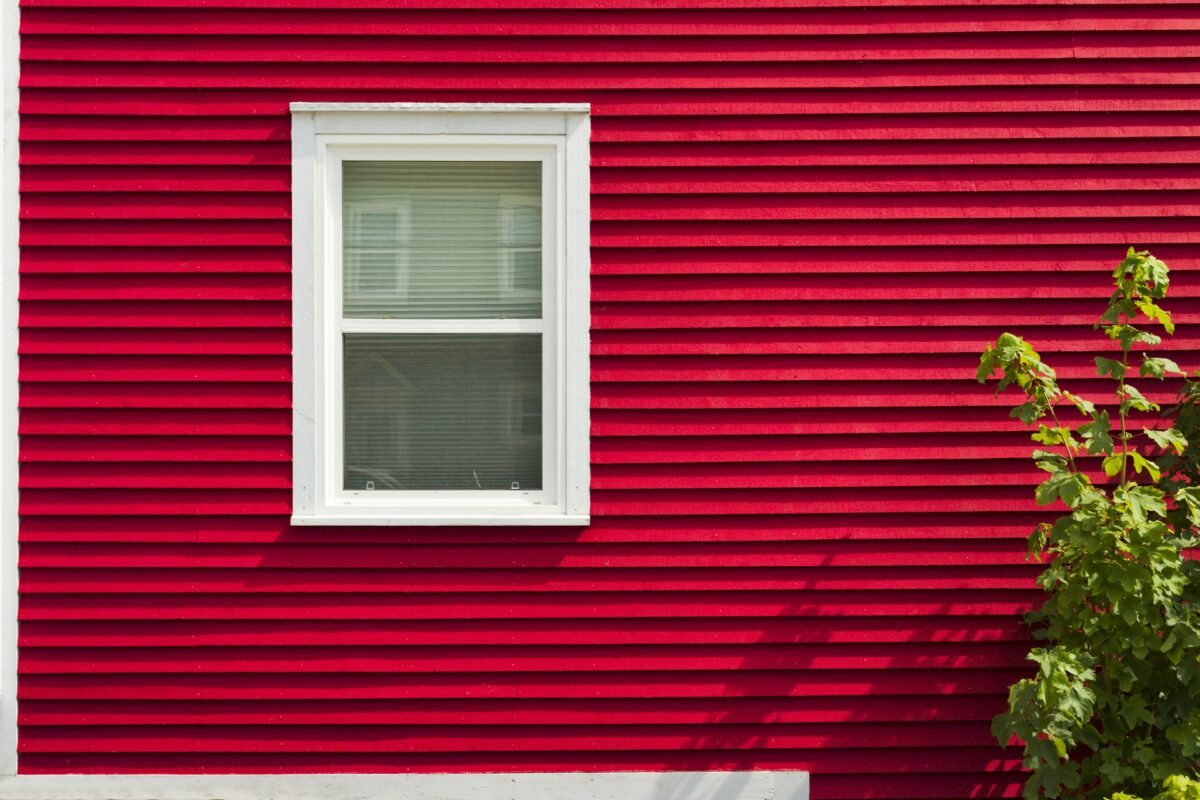
When we talk about airflow, most people think about windows, vents, or fans. But the structure of the walls themselves plays a big role. Cladding isn’t just for looks. It’s one of the ways we help a building deal with the weather around it.
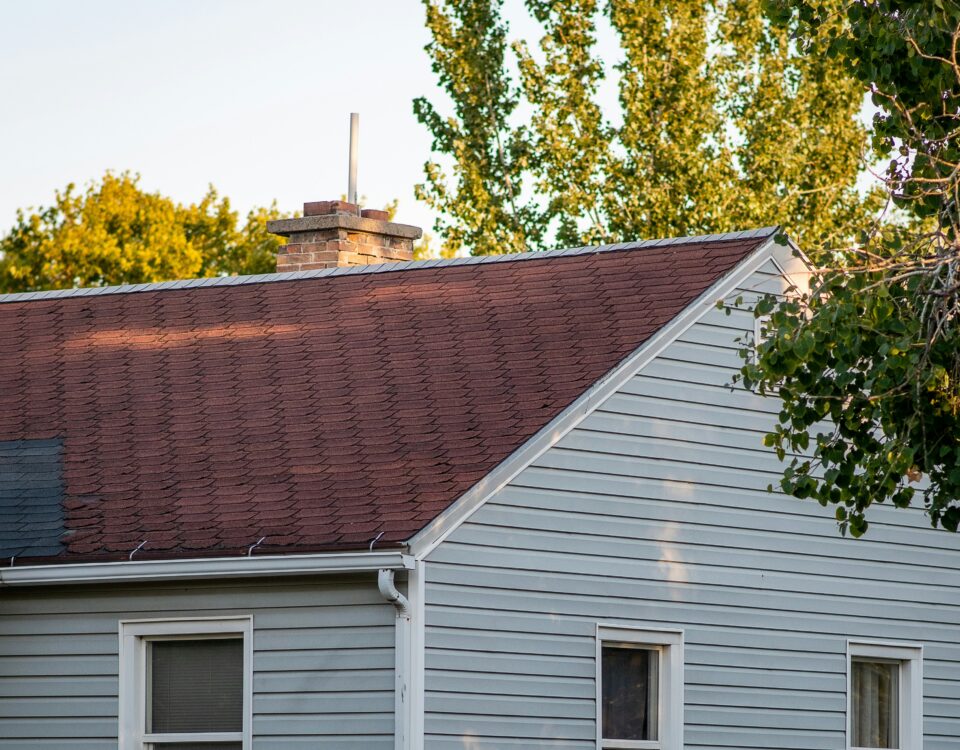
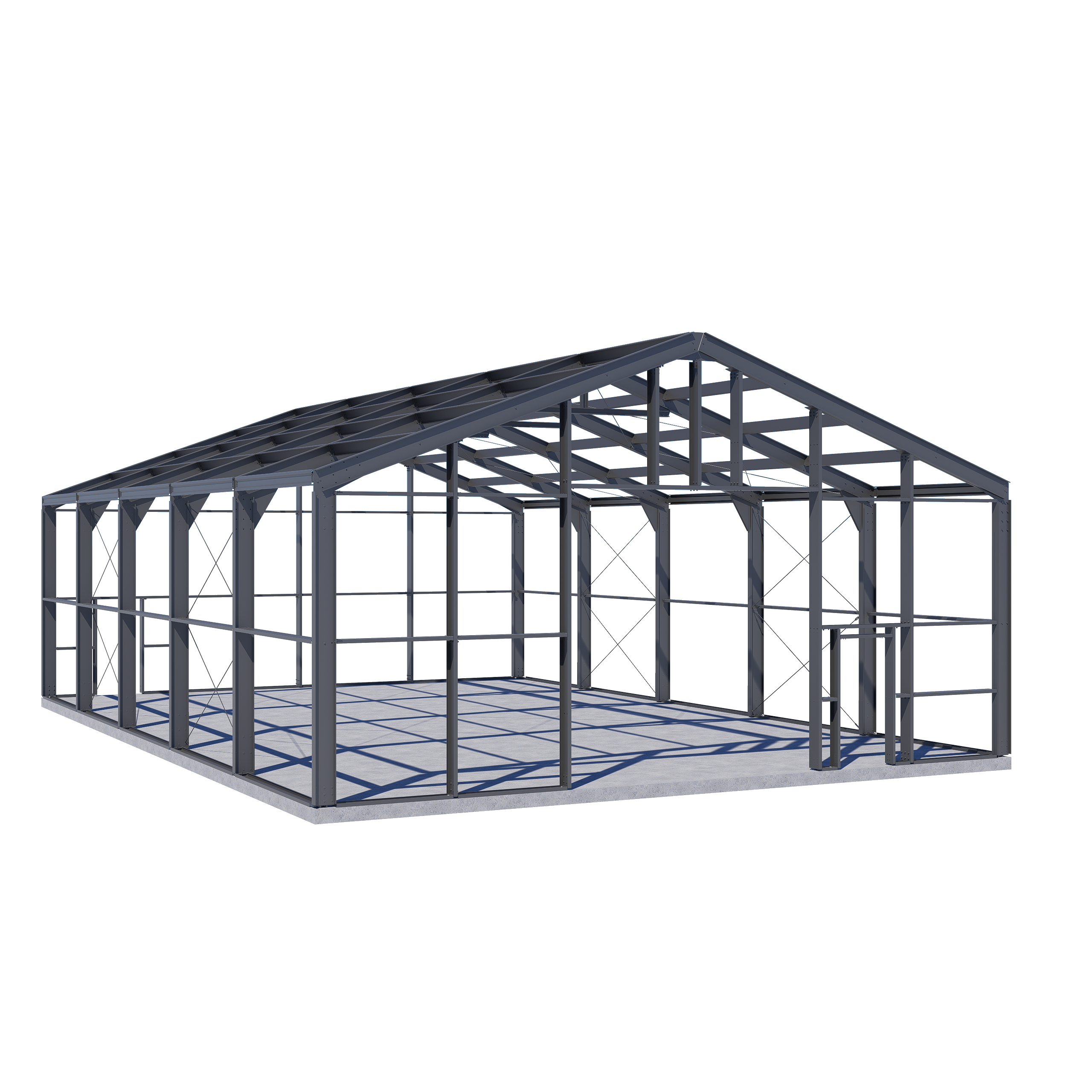
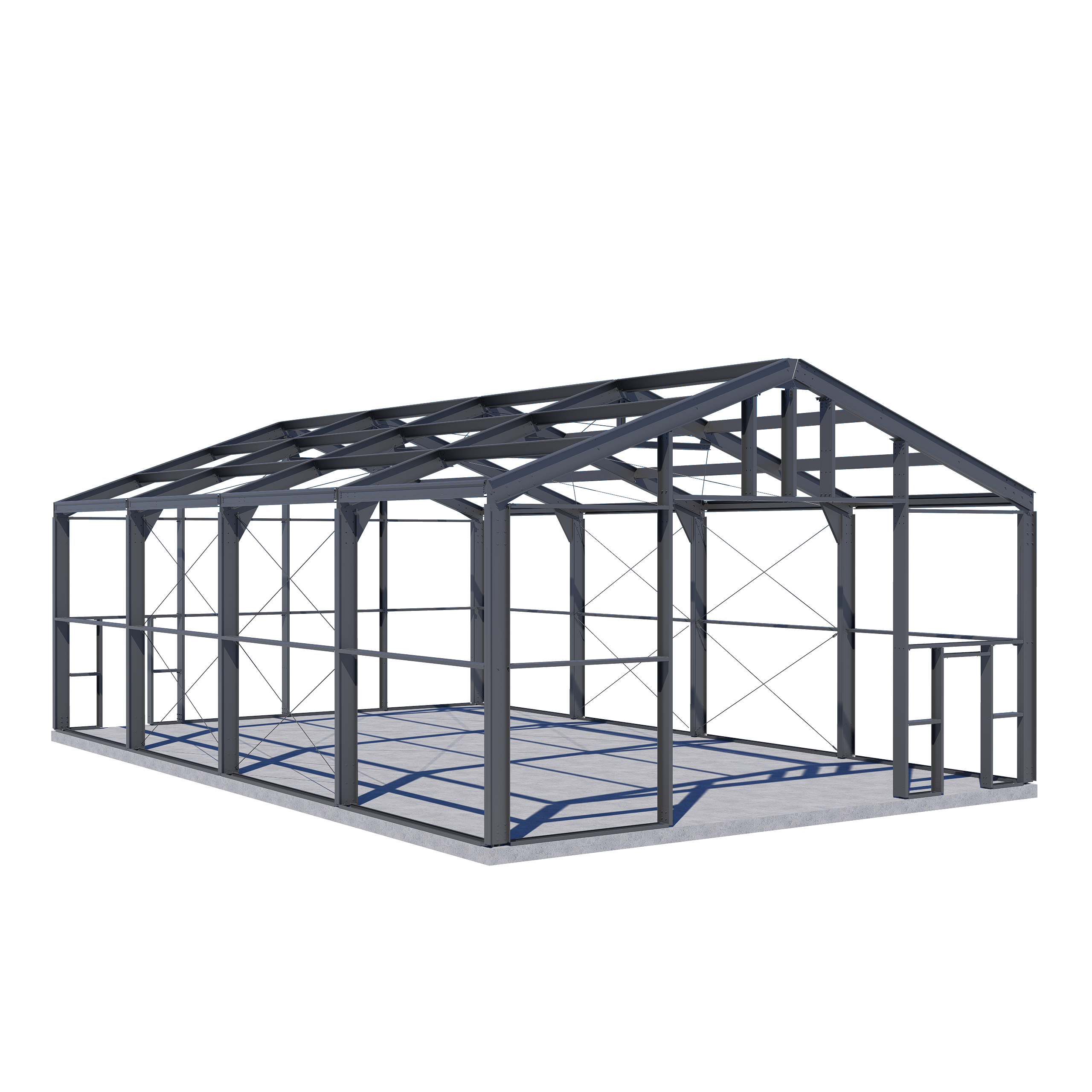
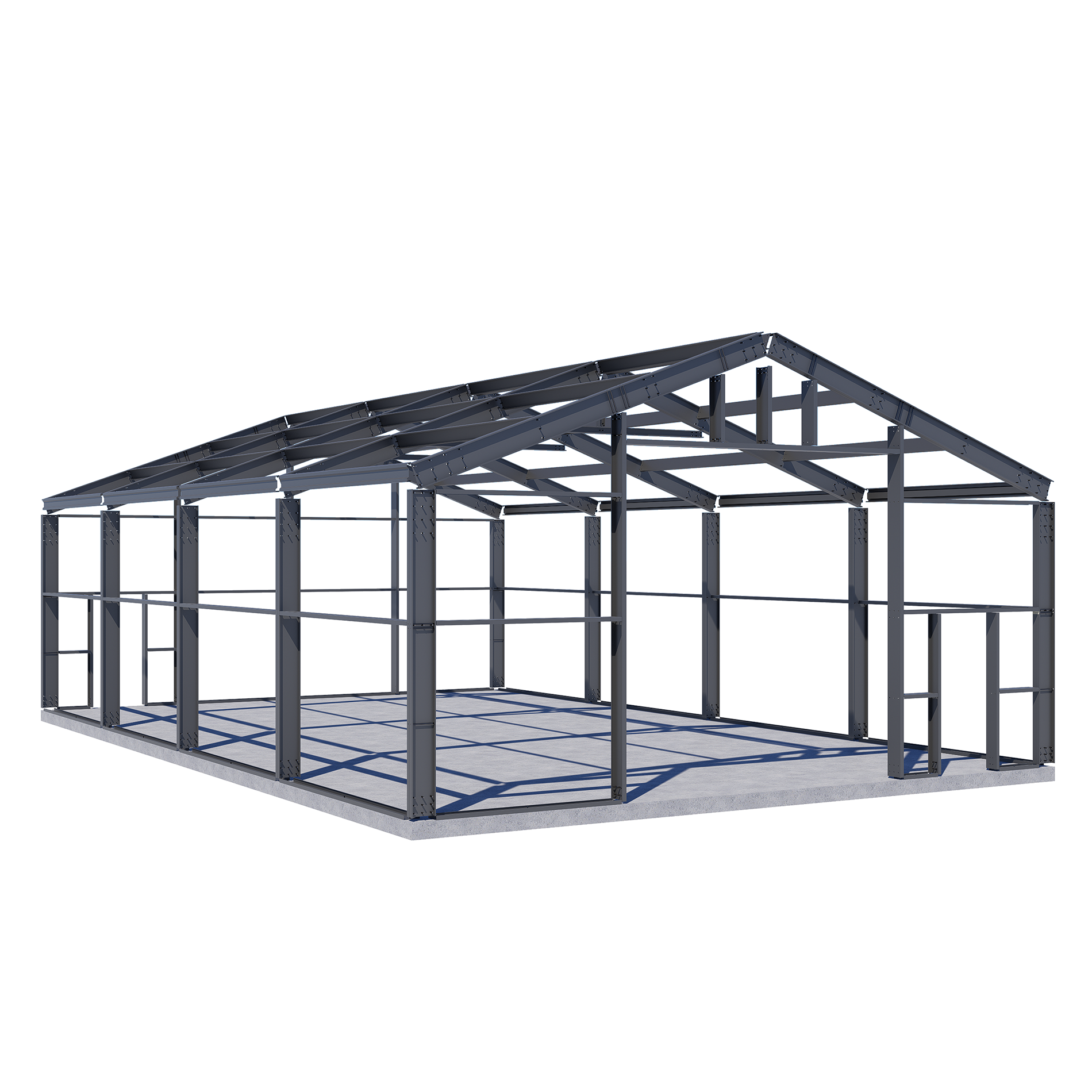
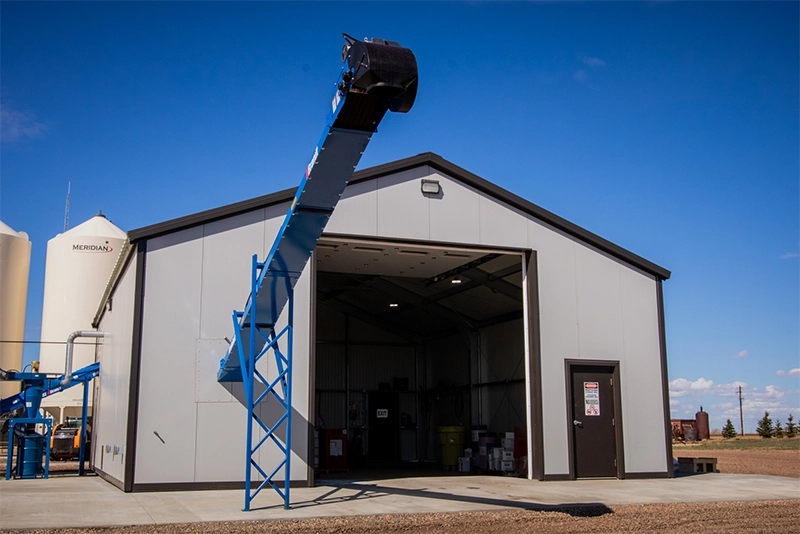
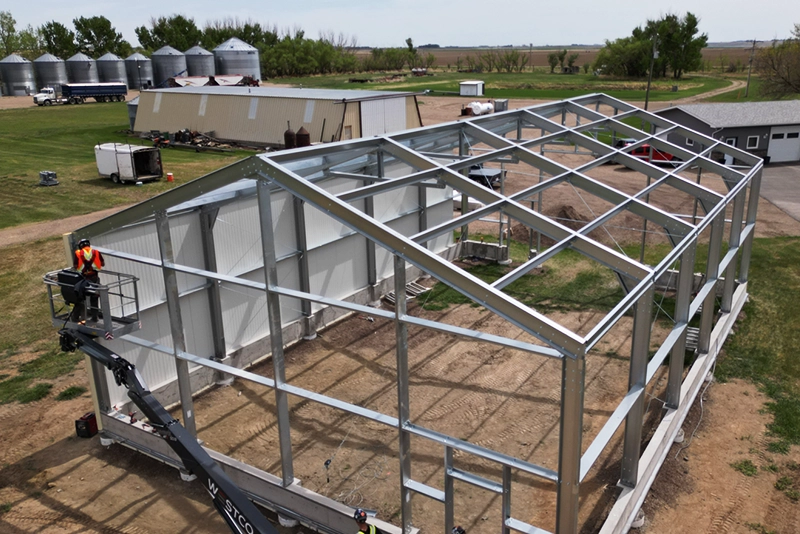
Exterior wall cladding helps create tiny spaces between the outside panel and the main frame of the building. These small air gaps work like natural vents. As hot air builds up on the sun-facing side, it moves upward and out. Cool air steps in from lower or shaded spots, feeding that cycle and keeping things more balanced.
It’s not just about vents or holes in the wall. Cladding adds another surface that can either let heat in or keep it out, depending on how it’s built. Some panels are designed to block sunlight directly, reducing the amount of heat that reaches the inner wall. When those parts work together, you get:
- Better airflow without needing mechanical systems
- Less heat buildup on sunny days
- A more even feel inside, no matter the size of the building
That kind of setup makes a noticeable difference during a hot Canadian July.
Picking the Right Materials for Hot Weather
Not all cladding works the same in summer. The heat, wind, and storms we get during Canadian summers can be tough on building exteriors. That’s why it’s smart to think about what the outer surface is made of before installing anything.
Some of the materials we see often include:
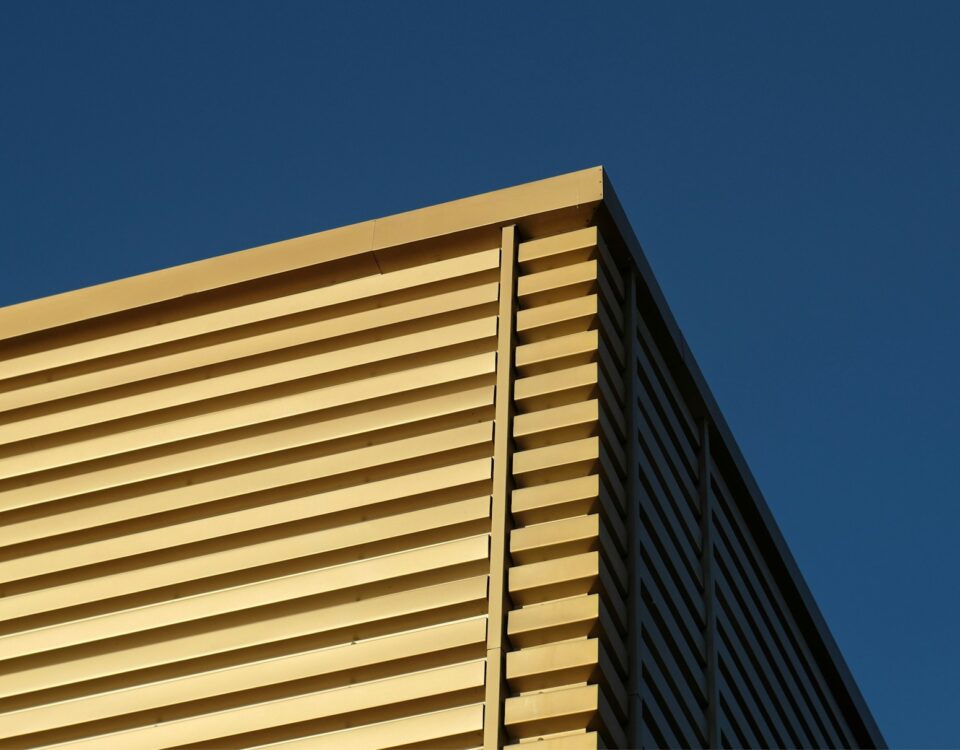
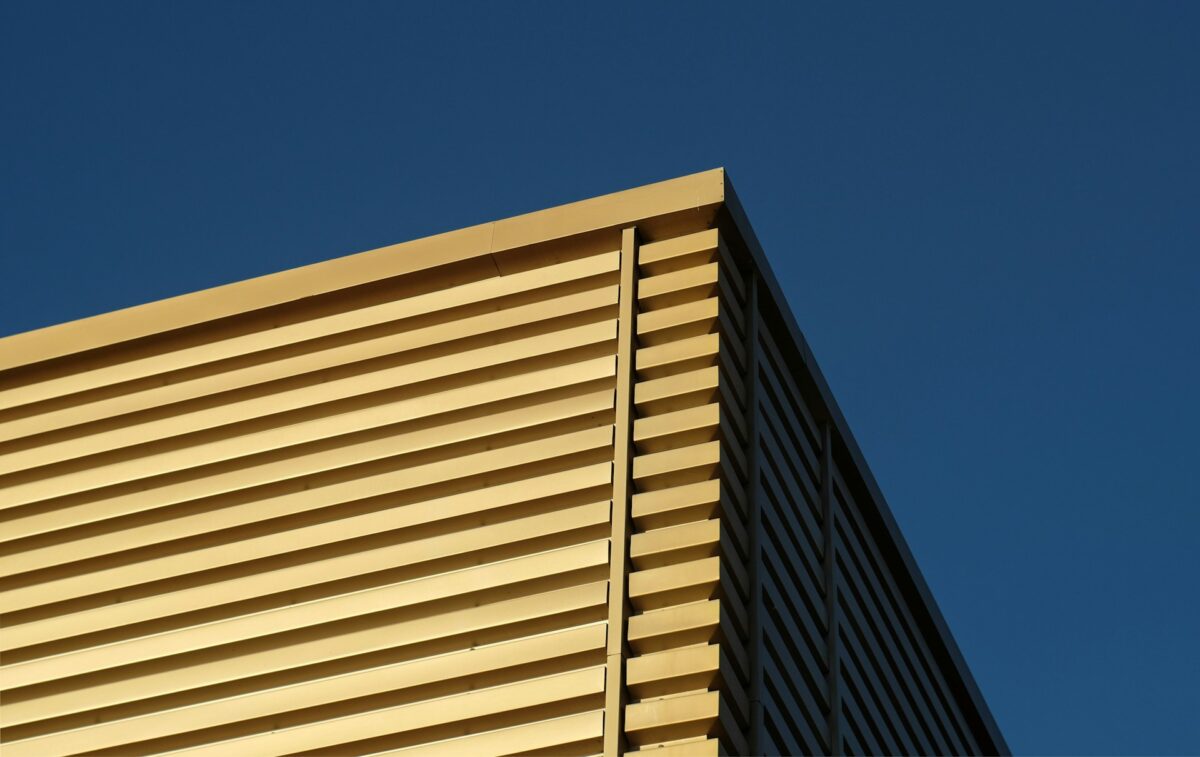
- Steel or metal panels with built-in grooves to manage airflow
- Fibre cement or wood imitation siding that holds up well to heat
- Vinyl varieties that are more basic but still create breathing space
Choosing light colours can really help. They reflect heat instead of soaking it in. Some finishes even come with a sun-resistant coating that keeps them from warping or fading. And beyond heat control, good cladding needs to stay in place when the weather turns. It should stand up to wind, rain, and sudden drops in temperature.
Materials that let air move naturally (without gaps that let water in) strike a good balance. That way, we protect the building without locking it in or sealing it too tight.
Keeping Workspaces, Storage Areas, and Equipment Cooler
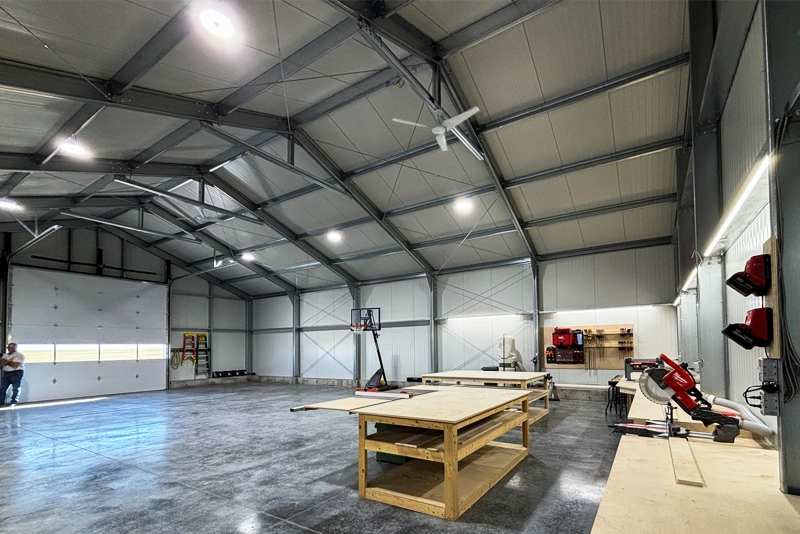
Most people don’t think twice about leaving things in the garage or tool shed during summer. But anyone who’s stepped into one of those spaces after lunch in July knows how hot it can get. The air feels stuck, everything you touch is warm, and you’re already sweating before the work begins.
When there’s no real airflow, heat settles in and just stays. That kind of environment wears things down faster, from gas cans and paint to garden tools or power cords. If it’s a workshop or storage building, it’s even harder to stay out there long enough to get much done.
Good exterior wall cladding helps break that cycle. With the right setup, even a small shed doesn’t feel like a stovetop. You get less lingering sweat in the air, and by evening, the space starts to feel usable again. Here’s what that might mean for day-to-day use:
- Better airflow makes time spent working more bearable
- Cooler storage keeps supplies from getting damaged by heat
- The whole area feels fresher, helping people actually enjoy using it
We don’t always notice cladding, but its impact is clear once things start to cool down naturally.
A Simple Fix That Makes Summer Easier
Airflow matters more than we think, especially in buildings we use during the summer. Spaces without it hold onto heat for too long and end up being uncomfortable or hard to work in. Opening a window or running a fan helps, but if the walls are still hot and stale-feeling, the space never really cools off.
That’s where exterior wall cladding can make a big difference. It doesn’t try to fight the heat, it works with it. The design lets air flow in small, steady ways so buildings breathe better and resist the July heat more naturally. When those outside layers offer both airflow and protection, there’s less stress inside, for people and equipment alike.
Simple changes like this make long summer days more livable. We get more done, use our buildings the way we want, and don’t feel rushed by the heat. Some fixes aren’t just about style, they’re about comfort that lasts all season.
Keeping your buildings cool and comfortable during the summer starts with the right materials. We’ve seen firsthand how proper airflow protects interiors and everything stored inside. Choosing the right type of exterior wall cladding is a simple and effective step to help your structures perform better in Canada’s changing weather. To discuss your next project or find solutions for your needs, contact Dutech Structures.