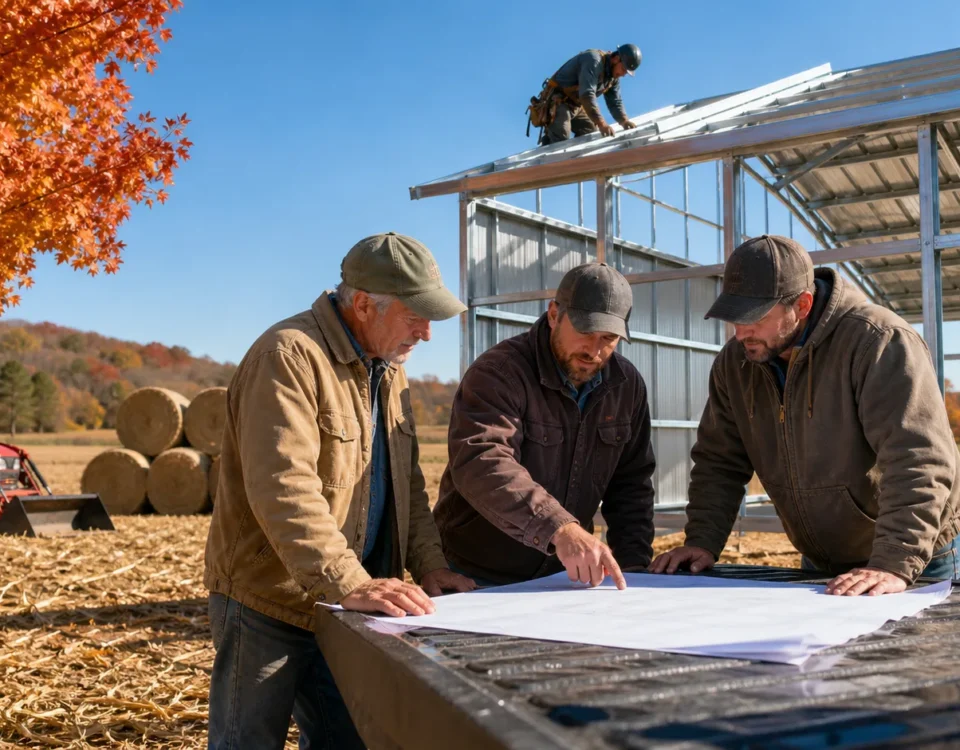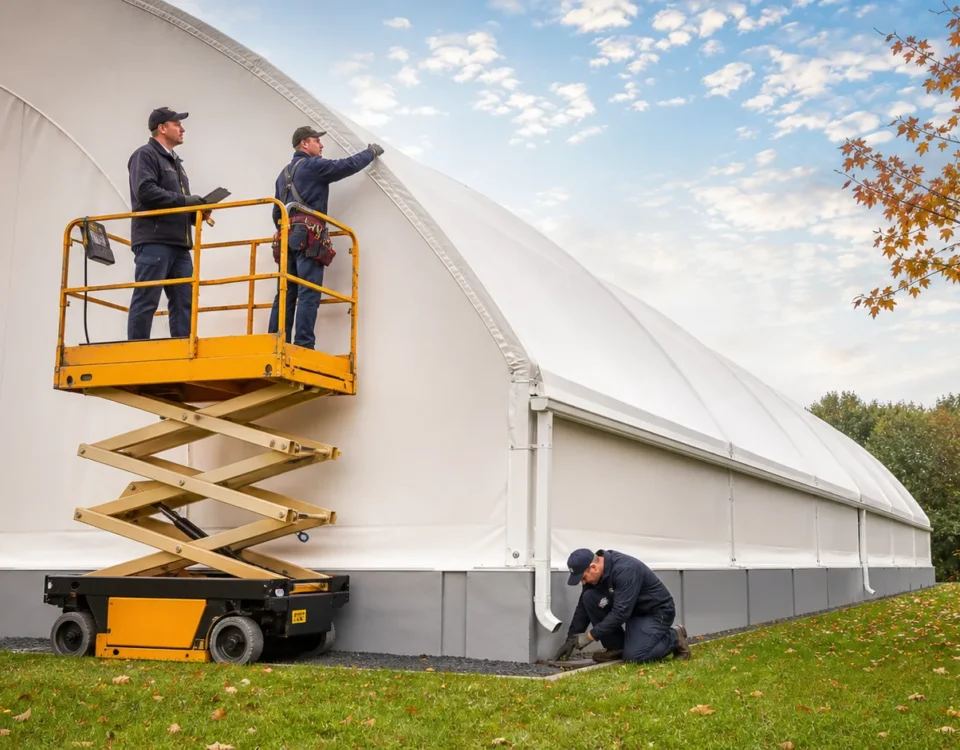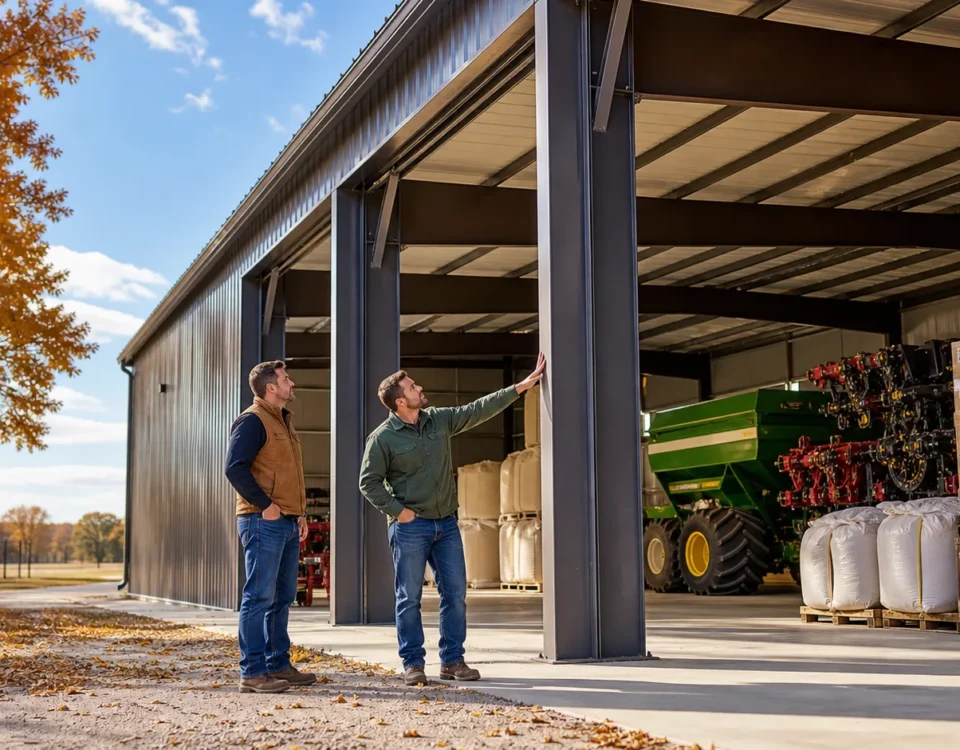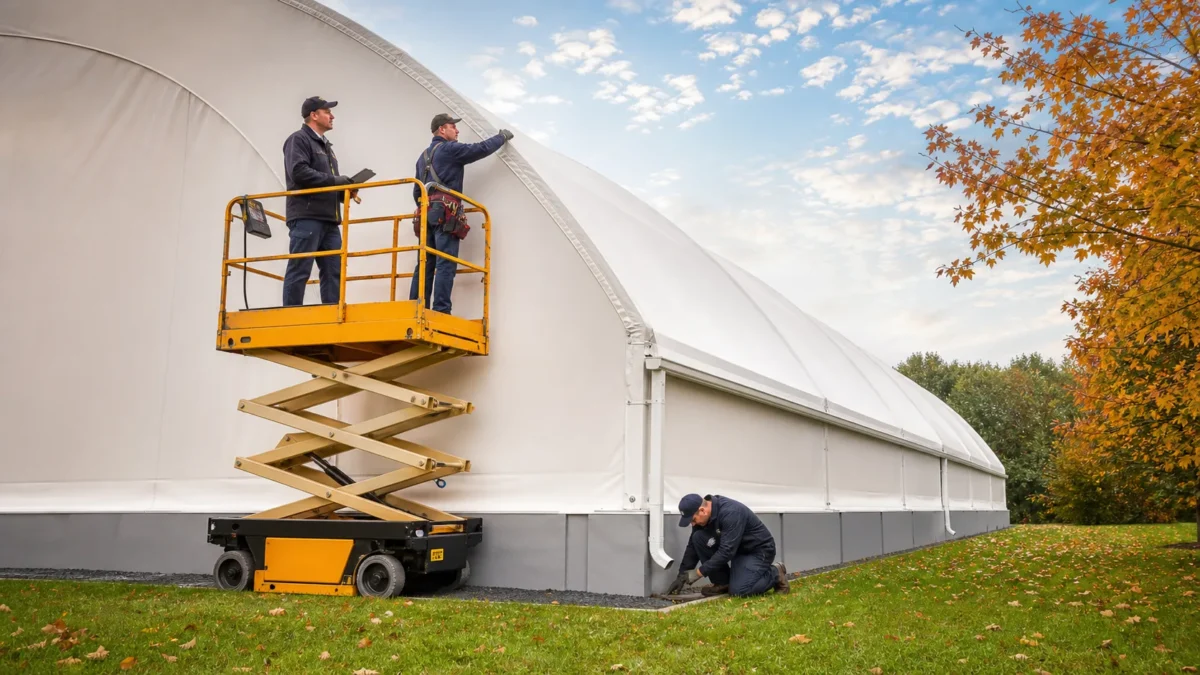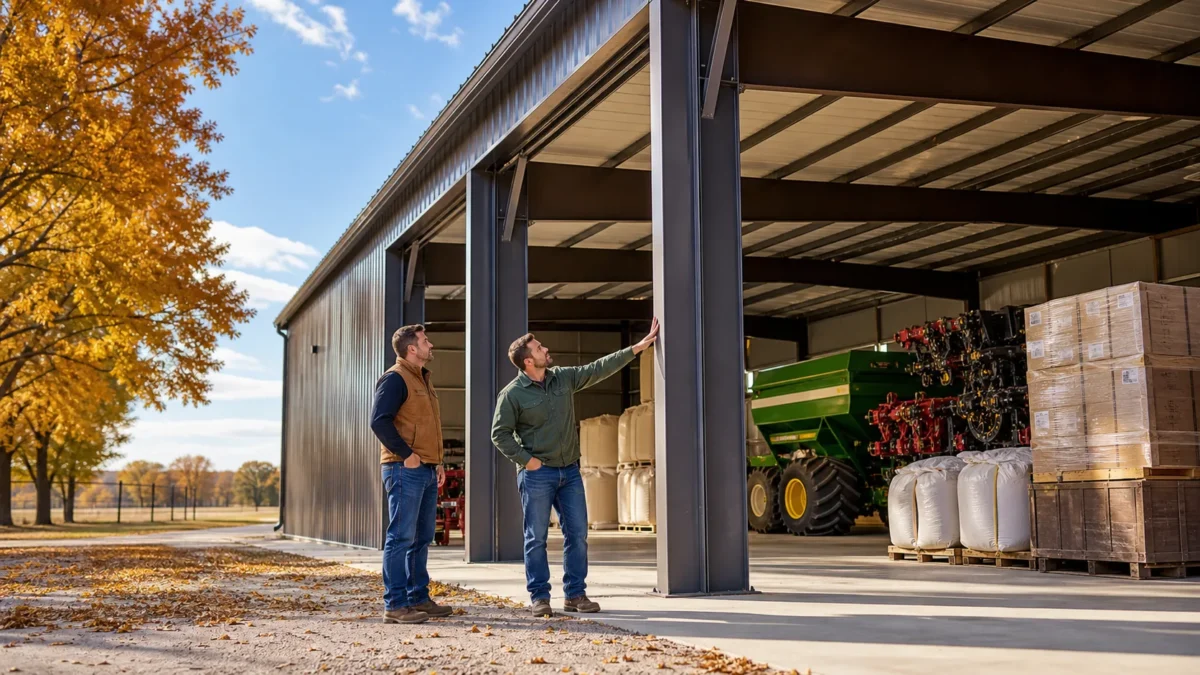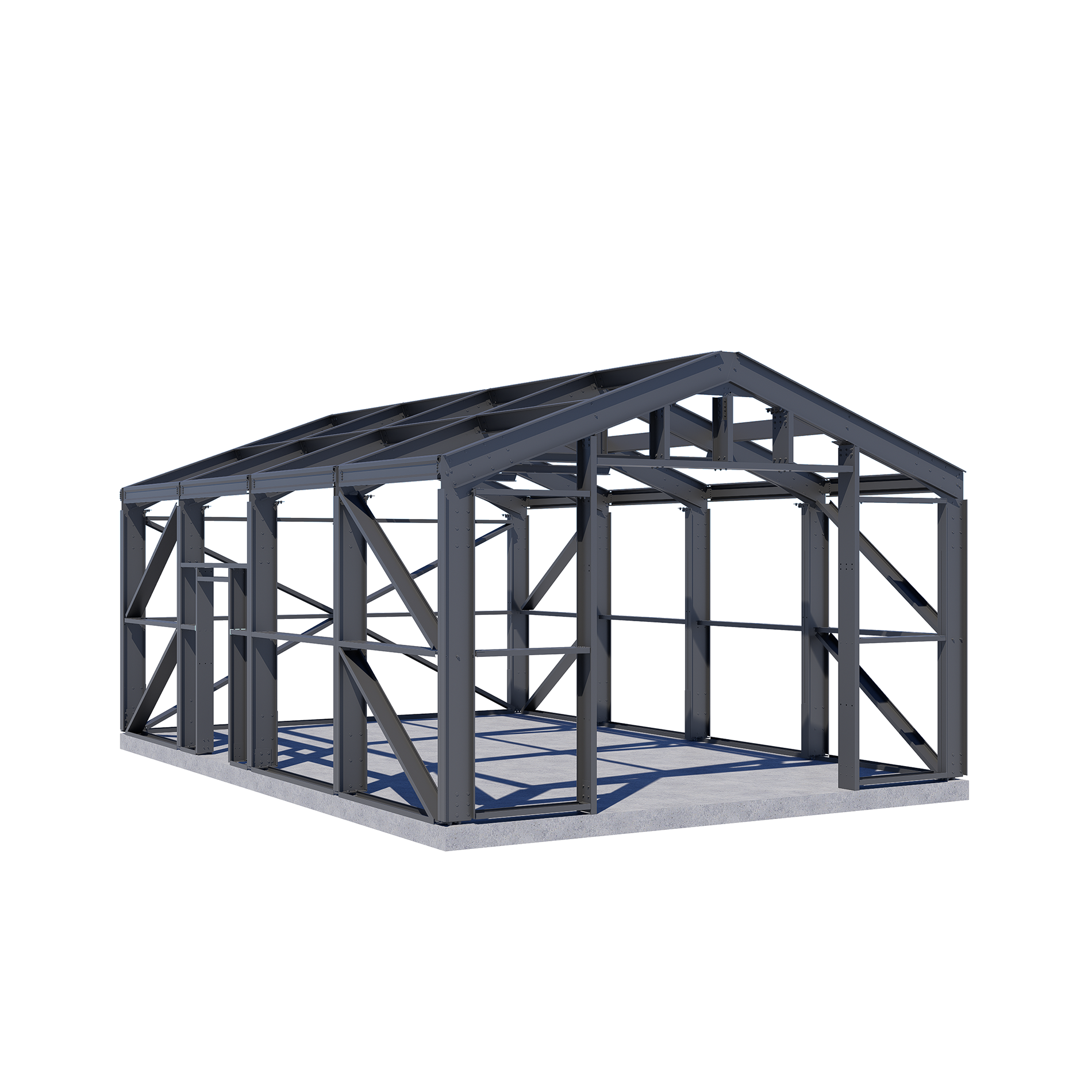
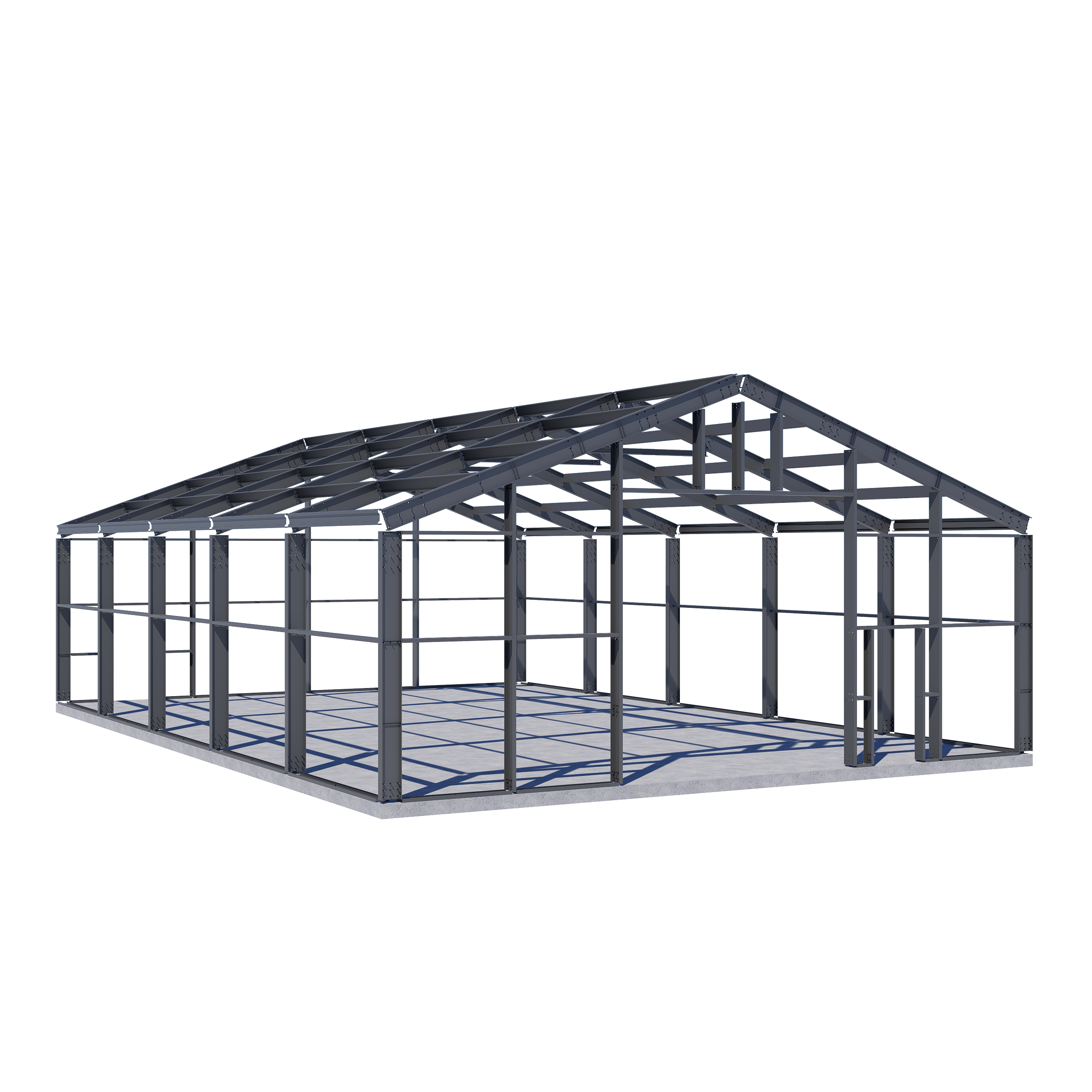
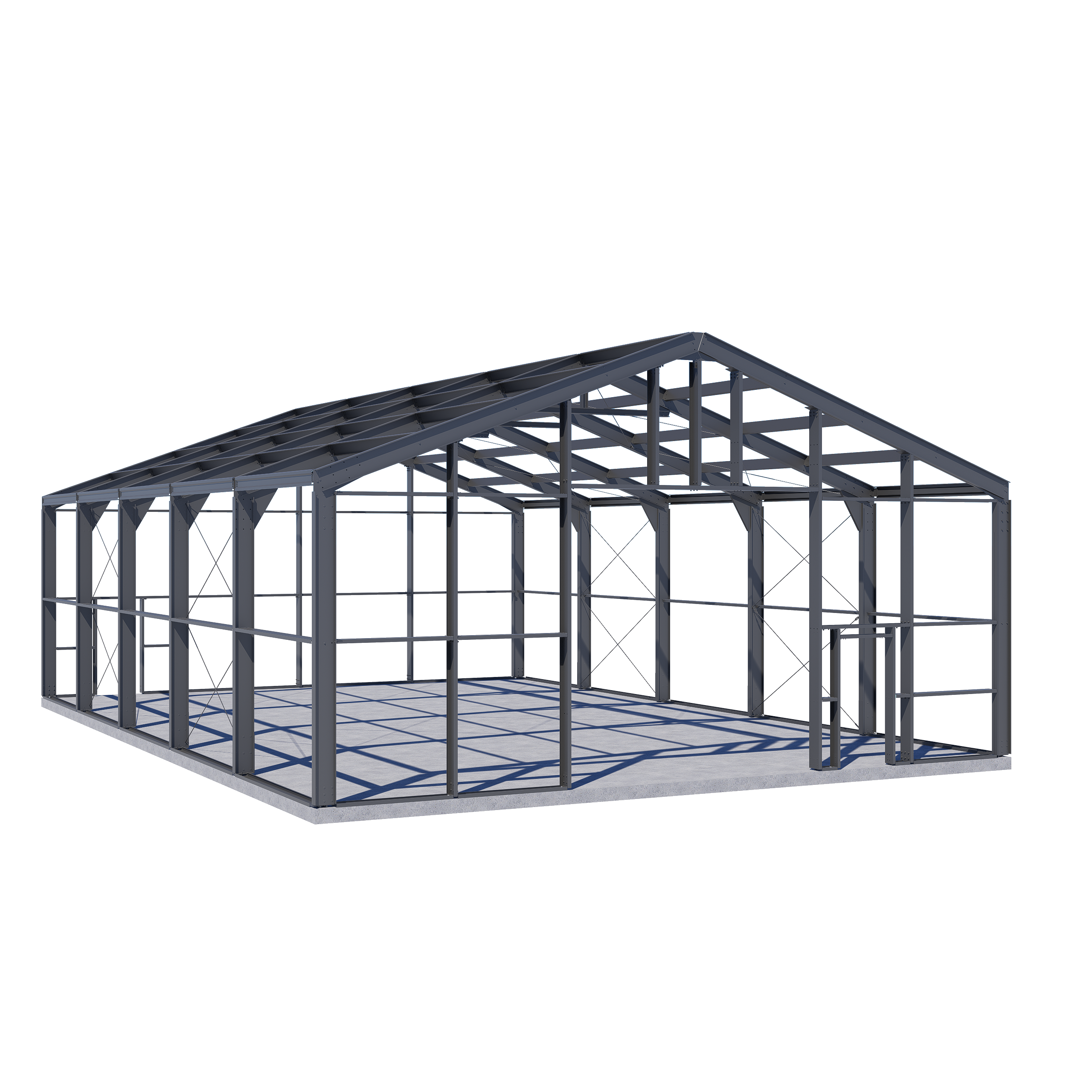
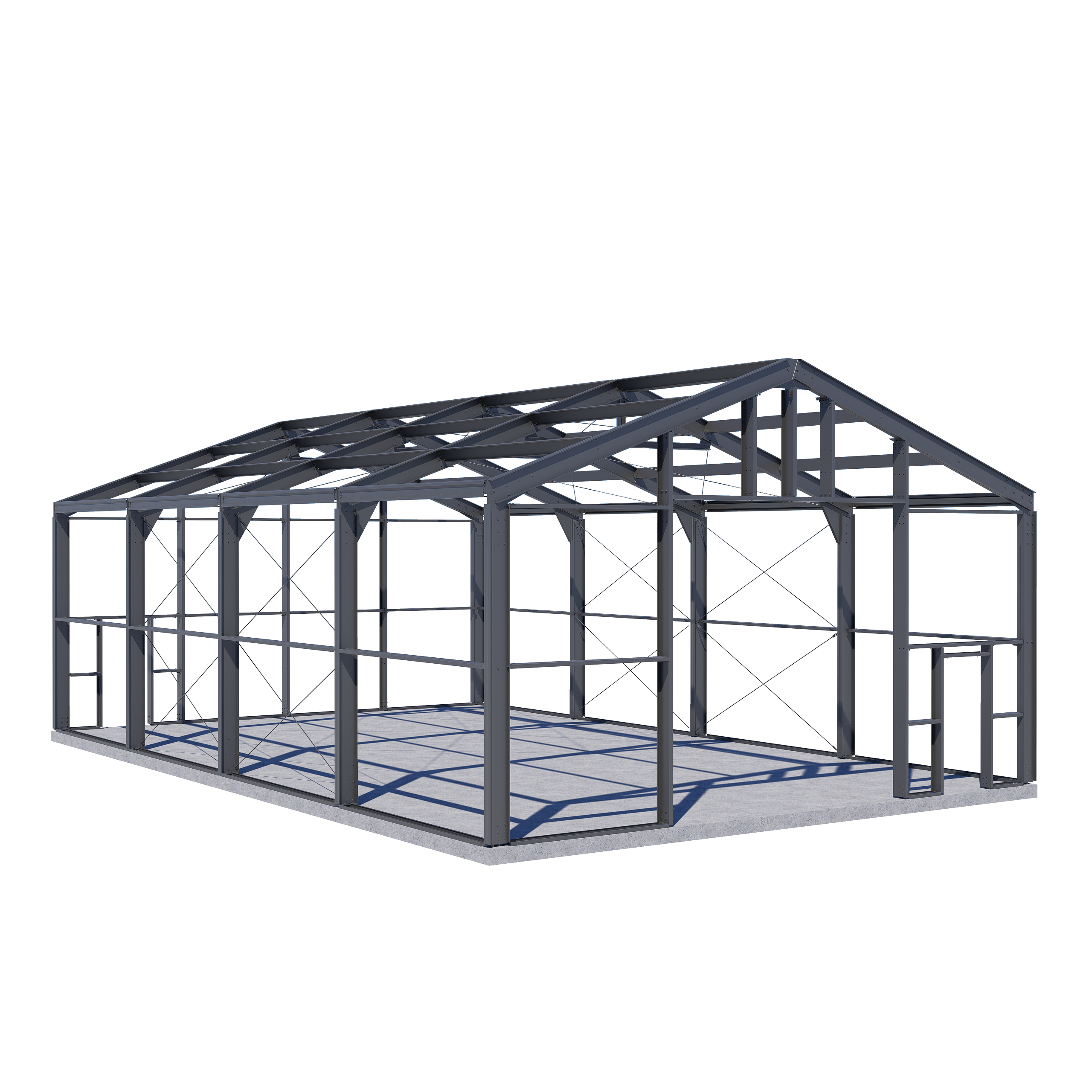
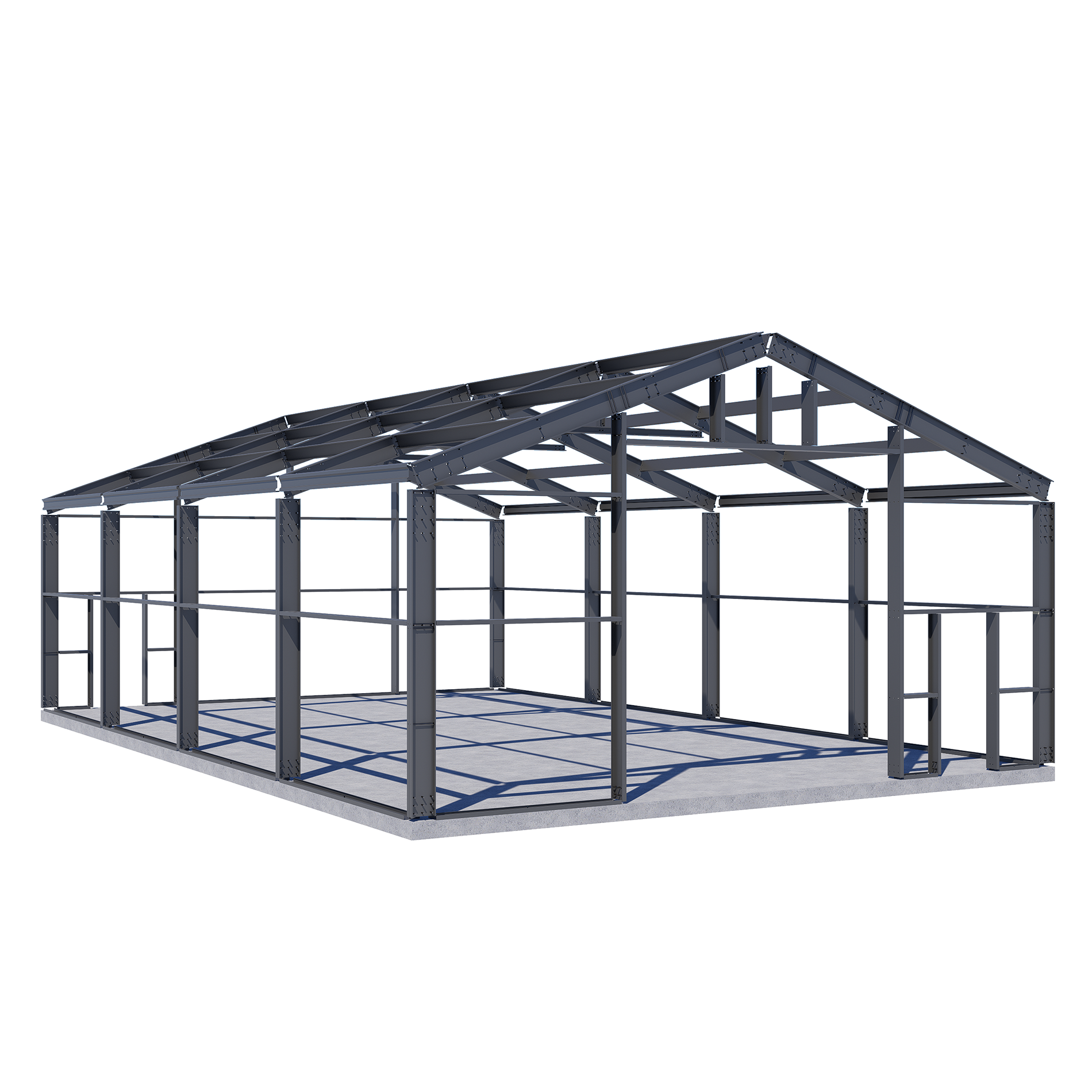
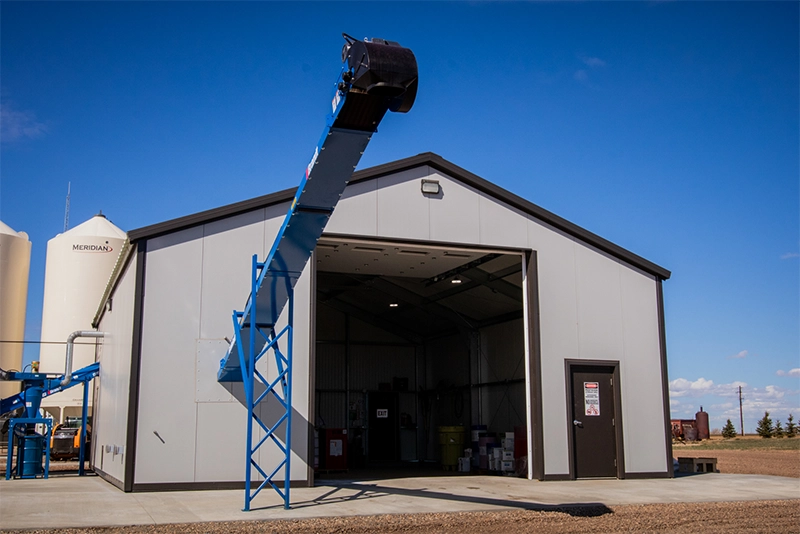
Fall across much of Canada means more than chilly mornings and shorter days. It brings rain, wind, and snow that can arrive within the same week. As the season rolls on, our roofs put up with more weight from leaves, sleet, and snow than we usually think about. Add in the threat of ice forming where moisture settles, and it’s clear why reliable shelter becomes a big deal this time of year.
When we’re building or updating a home, we want something that can handle these shifts without a lot of worry. A steel home structure is one way we stay ahead in fall. It’s built to carry weight, stand strong during harsh weather, and keep maintenance simple as temperatures drop. With the right setup, we’re not just making it through the season, we are ready for what comes next.
What Makes Fall Roof Loads So Tough
Fall might not always bring the deepest snow, but the mix of weather makes things tough on a roof. In many places, snow doesn’t land dry and powdery. It often starts as rain or wet flakes, soaking into surfaces and freezing soon after. That leads to heavy buildup that doesn’t shift easily.
- Leaves fall fast in October and clog gutters, trap water, and stop proper drainage
- Rain followed by a freeze turns to ice, adding weight fast and making removal harder
- Wind can stack snow into drifts, putting uneven pressure on certain parts of the roof
- As temperatures bounce above and below zero, layers melt and freeze again, adding stress to the structure
During this constant cycle, our homes have to absorb the pressure and weight without giving in. The changes can happen from one day to the next, making it impossible to predict exactly how much weight or how often it will change. Sometimes melting snow slides into a pile, refreezes, and turns solid, making it even tougher for roofs to shed the mass. That means homes without proper build quality can struggle as the season wears on.
It all piles up, sometimes literally, and keeping that load from affecting the roof takes the right kind of construction from the start. The solution is not to hope for a mild fall but to plan for the rough patches ahead by choosing the right materials and design.
How Steel Frames Handle It All
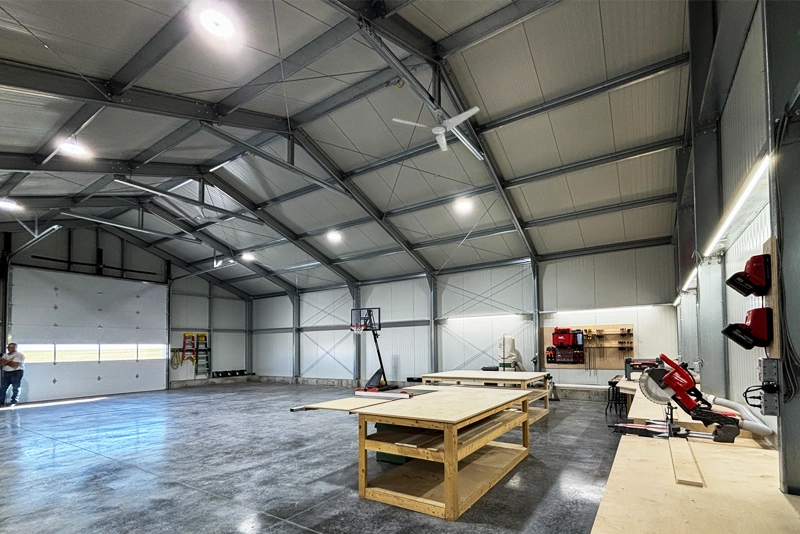
When we count on a build to last through wild fall changes, it needs to stand solid with little upkeep. That’s where steel performs well. It is naturally strong and does better under pressure than wood or other materials that can bend or soften when wet.
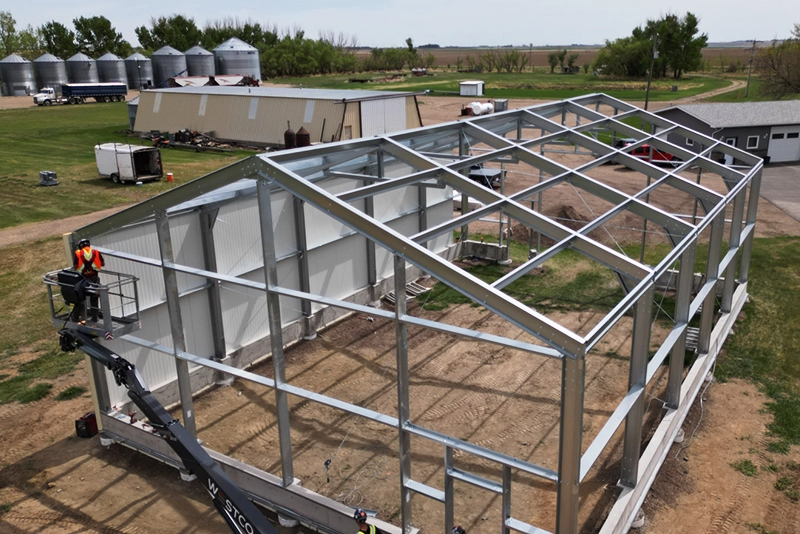
- Steel shapes are built to hold weight without cracking or shifting
- Wide spans can be supported without extra inner posts, keeping layouts simple and usable
- Galvanized finishes protect against rust, especially when drizzle, sleet, or snow hit day after day
Steel makes it easier to trust your home through tough stretches. From the very first cold snap to early spring thaw, steel structure homes are known for staying straight, not sagging, and holding up even when the weather is heavy and unpredictable.
Because we know Canada’s weather doesn’t wait, the strength of steel helps us feel ready before the season shifts into deep cold. If we’re putting up a roof that’s going to carry extra weight, we want to trust the bones of the home won’t wear out fast.
Even after years of use, a steel home frame stands up to all the cycles of fall and winter. While other materials might swell, contract, or even start to rot, steel keeps hauling weight and stays square. This makes it easier to keep windows and doors working well, insulation staying put, and there’s less risk of cold spots that come from shifting walls.
Smart Roof Designs for Fall Weather
Having strong materials is one thing. How we shape the roof is another big part of fall readiness. A smart design makes it easier for the elements to move along and not settle in.
- Sloped roofs help snow slide off before it becomes a problem
- Well-placed trusses can add support right where buildup happens most
- Good drainage moves water away from the base and stops pooling at the eaves
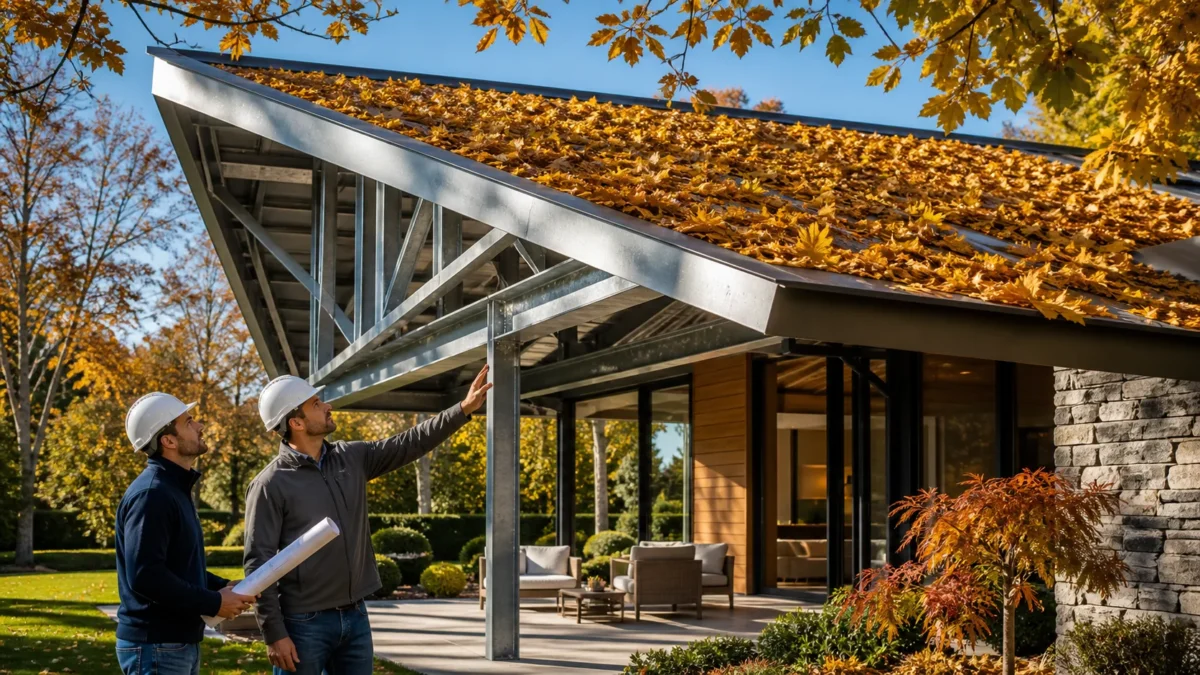
We’ve seen time and time again that overhangs help too. They block driving rain from hitting doors and let melting snow fall farther from walls. All of this adds up to fewer issues when freeze-ups hit or the season switches to true winter.
Choosing a steel frame also gives us choices about roof style. We can match the design to how harsh the local weather gets and what kind of snow or rain is likely. Some roofs are designed with an angle that makes sure wet leaves or heavy snow don’t get stuck and bring trouble. Others might have channels or gutters that move water straight to drainage and away from the house.
Design also matters inside. A roof built for tough weather can mean fewer repairs, a warmer home during the coldest days, and less risk of ice dams or leaks. Good design paired with strong materials is what sets some homes apart in the fall.
Year-Round Value That Starts in Fall
Fall setup isn’t just about the immediate chill. It kicks off a stretch of weather that can last half the year in parts of Canada. Having sturdy shelter in place now saves us from rushing repairs later.
- Steel-framed homes are easy to insulate, since the structure stays straight and tight
- It is easier to add vapour barriers and sealing to hold in warmth and keep moisture out
- When fall prep is solid, we avoid patch jobs in minus temperatures or wet snow
Winter comes on quick, and the fall tasks we do now, like sealing walls, checking rooflines, or clearing drainage, make a massive difference. But when the bones of the house are right, these jobs are easier and last longer. We also notice good value in the spring. The stronger the fall setup, the less fixing and fussing is needed when the weather warms up. No one wants to find damage from a slow leak or collapse when the snow melts.
That means we start spring in better shape too. Instead of fixing damage from slow leaks or warped siding, we can shift straight to cleaning, organizing, or adding on as needed.
For families and property owners, this means less time spent on emergency repairs and more time spent where it really matters. Investing in a strong starting point pays off through every month, not just fall, but all year round.
Built Strong, Built for the Season
Fall moves fast, and before we know it, weight starts collecting on the roof. Cold rain comes sideways, followed by sleet that freezes overnight and snow that doesn’t melt for weeks. That is why strong framing and smart roof shapes matter early.
By choosing a steel home structure before winter digs in, we are setting things up to last. It is about strength and about feeling calm when the wind picks up or the driveway turns to ice. A solid home makes fall smoother and gives us one less thing to think about as we head into the coldest months. With the right foundation in place, the season doesn’t feel like a race, we are just ready.
Strong seasonal weather calls for smarter building choices, and in Canada, that often starts with solid framing that can handle the pressure. When planning ahead for harsh roof loads, choosing a material that stays firm through wind, wet snow, and ice makes all the difference. A properly built steel home structure means less worry as fall shifts to winter. At Dutech Structures, we’re here to help you get set up right before the cold settles in, so you can discuss what makes sense for your build.