

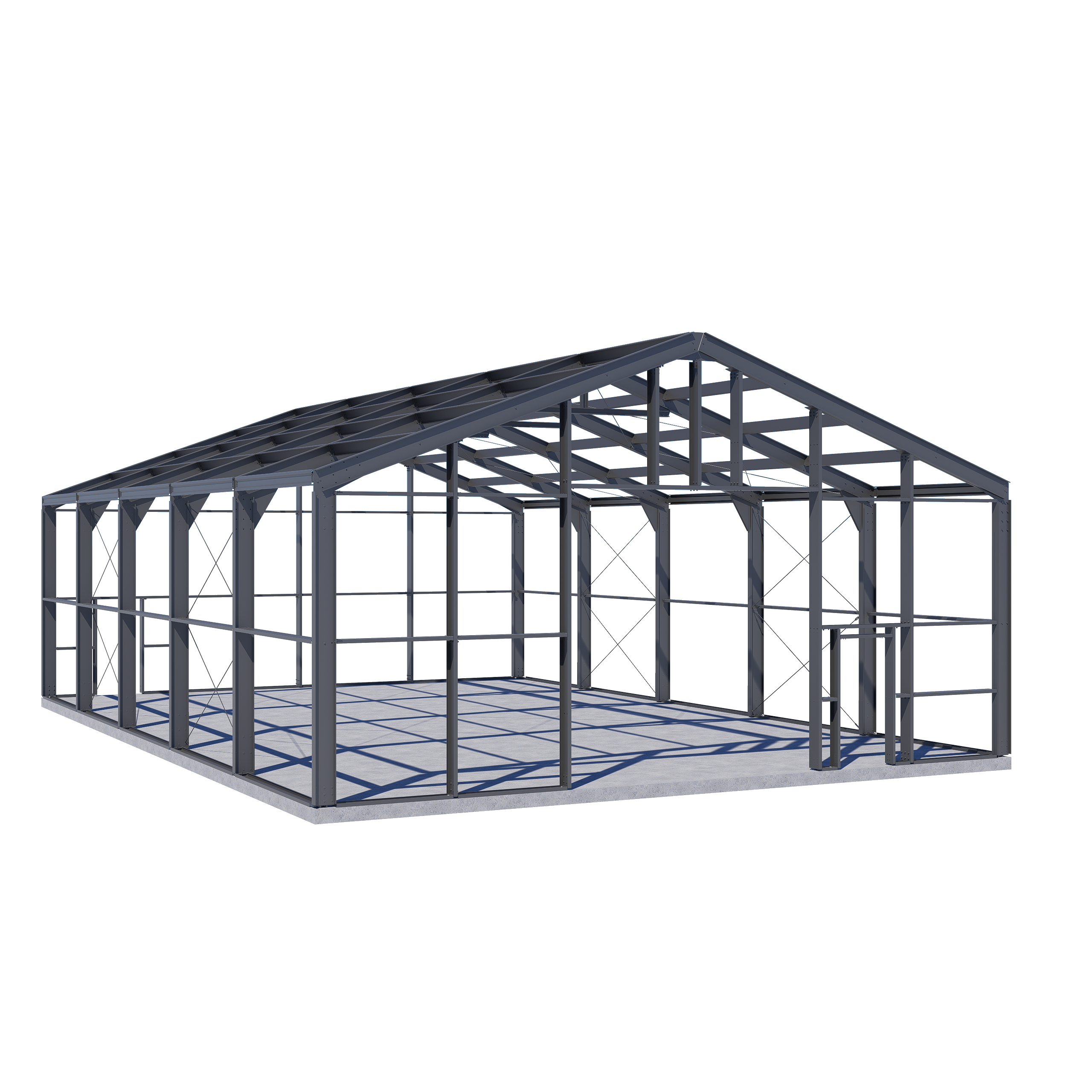
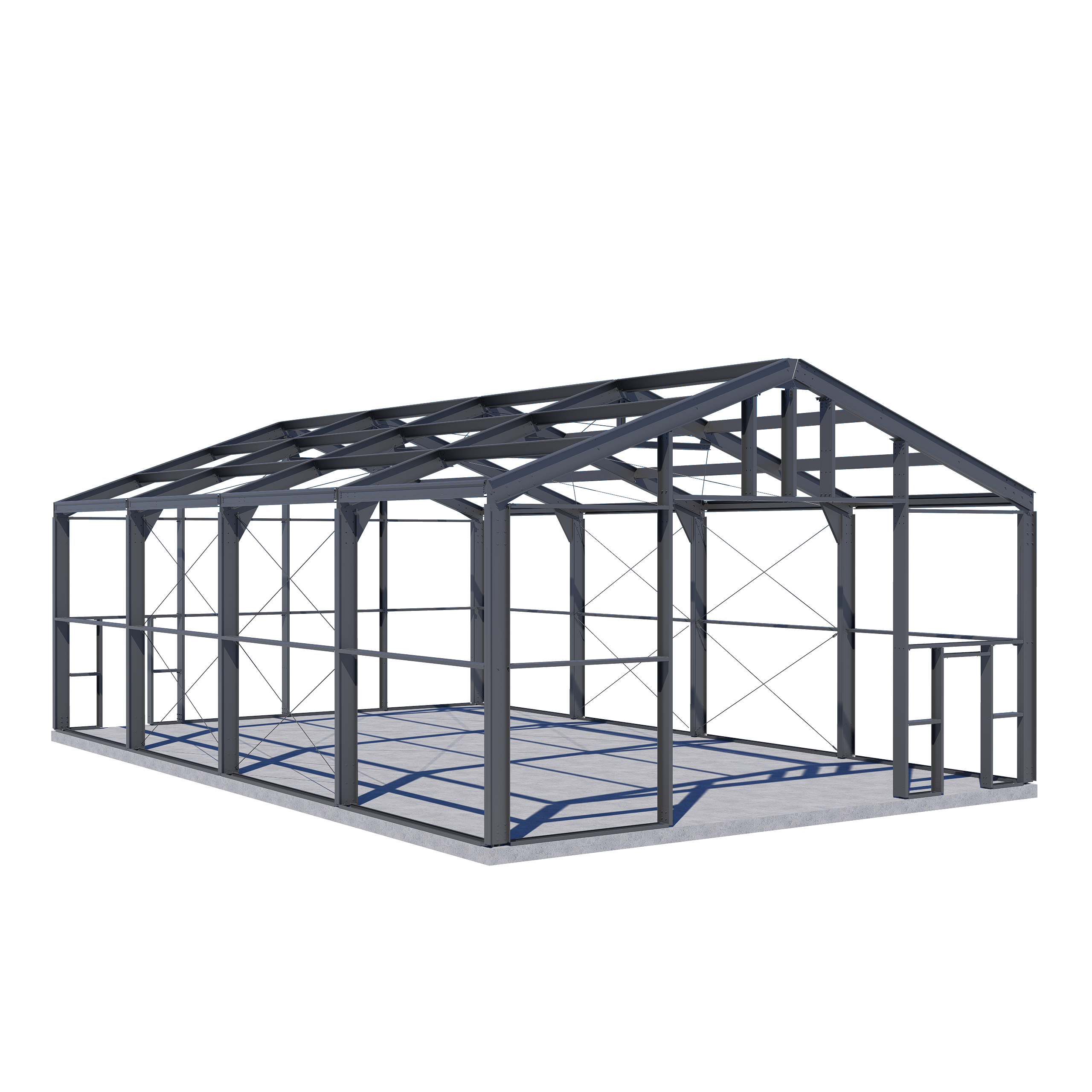
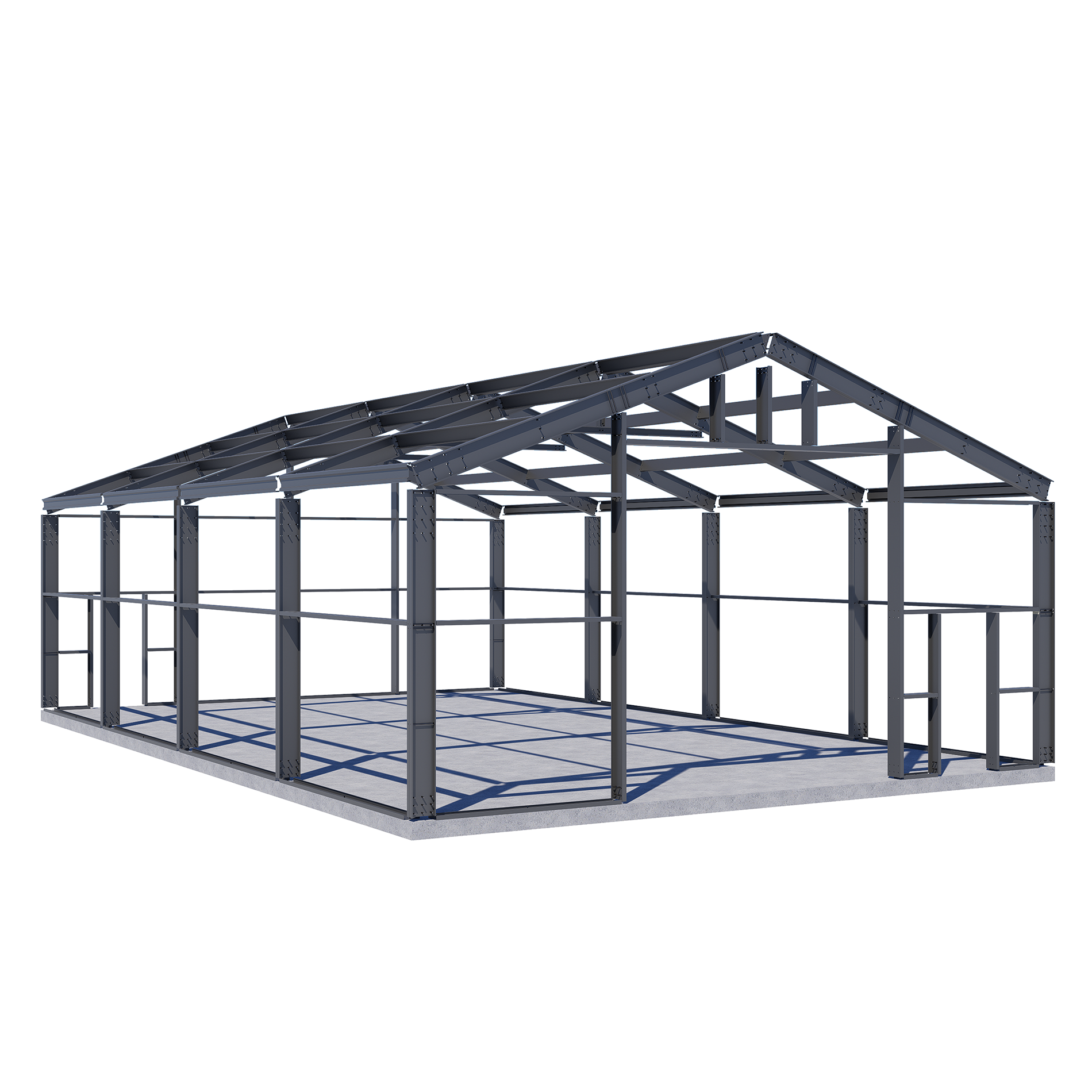
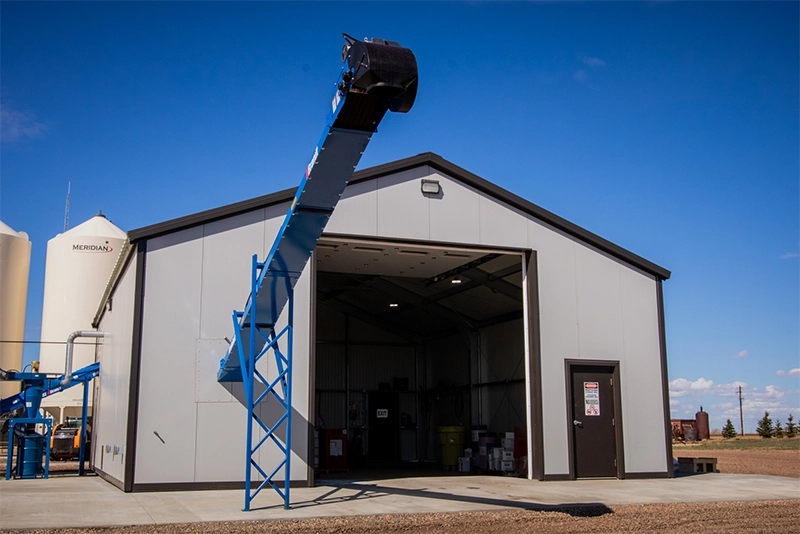
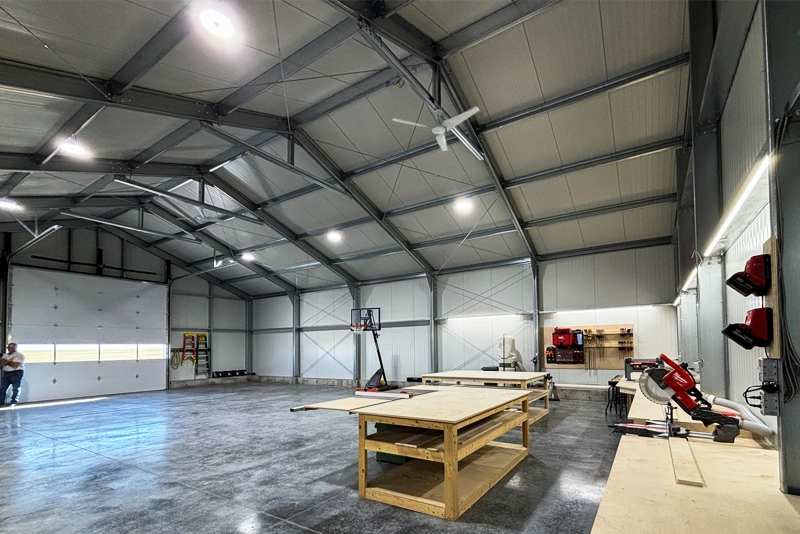
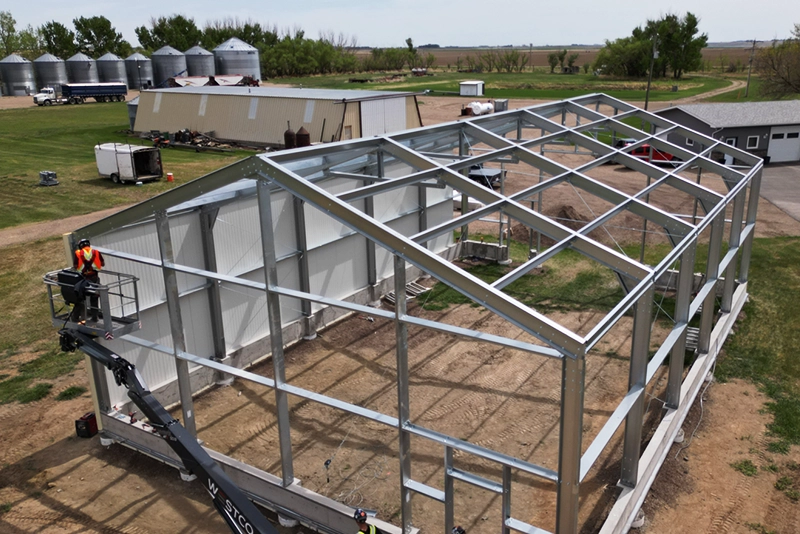

Insulation cladding plays a crucial role in protecting steel buildings, especially in places like Canada where extreme weather is a norm. Proper insulation helps maintain the building’s temperature, and ensuring the cladding is in good shape means the building can withstand harsh conditions. Think of insulation cladding as a warm coat for your building. Just as you wouldn’t venture out in a snowstorm without proper gear, you shouldn’t let your building face the elements without adequate protection. The right cladding keeps out cold, prevents moisture build-up, and stops energy loss, keeping internal conditions stable.
Although strong and resilient, steel buildings can face issues if insulation cladding isn’t up to the mark. Insufficient or damaged insulation cladding can lead to increased energy costs, discomfort inside, and even structural problems. Understanding these challenges allows for better preparation, ensuring buildings maintain their integrity and remain comfortable for their occupants.
Common Insulation Cladding Issues in Extreme Weather
When mother nature turns unfriendly, buildings face the brunt of it. In Canada, with its shifting temperatures and seasonal extremes, insulation cladding can endure significant stress. Some issues that often arise include:
– Moisture Intrusion: Water can find its way into cladding if there are gaps or weaknesses, leading to mold and structural damage.
– Thermal Bridging: When insulation is faulty, heat passes through the building at certain points more than others, causing inconsistency in temperature and increased energy usage.
– Material Expansion and Contraction: Extreme temperatures can cause materials to expand and contract, weakening the cladding over time and causing cracks.
Such challenges not only impact the building’s performance but also its longevity. Buildings with compromised insulation cladding may end up with higher maintenance costs due to increased energy consumption and necessary repairs. Without timely intervention, what starts as a small issue could spiral into major structural damage, emphasizing the need for regular checks and upkeep.
Identifying Signs of Insulation Cladding Problems
Spotting issues early can save a lot of headaches later on. Here are some signs to look out for:
1. Drafts: Feeling a chill even when the building is supposed to be warm? Drafts might indicate gaps in insulation.
2. Inconsistent Temperatures: Some rooms are warmer or colder than others? This might mean your insulation isn’t distributing heat properly.
3. Dampness or Mold: Visibly damp spots or mold suggest moisture is seeping through, which can be harmful to both the building and its occupants.
4. Rising Energy Bills: Notice a sudden spike? Poor insulation may force your heating or cooling system to work overtime.
By recognizing these signs and acting quickly, you can address problems before they become too severe, ensuring your building remains safe and comfortable year-round. Regular inspections and being aware of these indicators go a long way in maintaining the health of your insulation cladding.
Solutions and Preventive Measures
Once you’ve identified issues with your insulation cladding, the next step is finding effective solutions. For moisture intrusion, sealing gaps and repairing any damage in the cladding should be a top priority. This keeps water out and prevents further problems. To tackle thermal bridging, consider adding insulation layers in key areas where heat might escape. Properly installed insulation can greatly improve temperature consistency across your building.
Preventive measures are just as important to keep these issues at bay. Regular inspections of your building’s cladding can help spot potential problems early. Set a routine to check for signs of wear and replace worn-out materials before they become a bigger issue.
Here’s a short checklist for maintaining your insulation cladding:
– Regularly inspect cladding for damage or gaps.
– Ensure all joints and seals are intact.
– Check for signs of moisture buildup or mold.
– Schedule seasonal maintenance to address any issues.
These simple steps can go a long way in preventing bigger problems that can be costly and time-consuming to fix.
The Role of Professional Help
While some minor cladding issues can be addressed personally, hiring professionals ensures the job is done right. Professionals have the expertise to correctly identify the root of the problem and effectively remedy it with the right materials and techniques. They can also advise on new insulation technologies and materials that might be more suitable for your building’s specific weather challenges.
The benefits of choosing professional services include peace of mind and the assurance that your building is ready to face whatever nature throws at it. Experts not only help with repairs but also plan out insulation strategies that optimize energy efficiency and comfort all year round.
Preparing for Extreme Weather
Getting your building ready for extreme weather is more than just a one-time fix — it’s about ongoing care and preparation. As the seasons change, different strategies come into play. Before winter sets in, clear out any debris that might have accumulated around your building’s external walls, as this can trap moisture. In summer, check for any signs of wear from the sun’s heat and make necessary repairs.
Consider implementing seasonal maintenance routines to catch any emerging problems:
– Winter: Inspect for ice dams and ensure proper drainage to prevent water buildup.
– Summer: Check for UV damage and ensure seals are not cracked by solar exposure.
– Autumn: Clear leaves and check for blockages in gutters that might affect cladding health.
Consistently keeping up with these tasks will help your building handle severe weather conditions better.
Protect Your Investment with Proper Cladding Solutions
Ensuring your building’s insulation cladding is up to the task of handling difficult weather conditions does more than just protect the physical building; it protects your investment. By taking regular stock of your cladding’s condition, being proactive with maintenance, and seeking expert assistance, you can prevent costly repairs and energy inefficiencies down the line.
Your building can remain a steady, comfortable environment even as the temperature outside swings dramatically. So, take the opportunity to evaluate your current insulation setup and reinforce it to withstand the elements. With proper care and expert guidance, your structure will remain sturdy and protected for many years to come.
For buildings in Canada facing harsh weather, proper exterior protection is key to maintaining comfort and safety. To ensure your building is protected, explore the possibilities with insulation cladding options from Dutech Structures. These solutions provide the durability and efficiency needed to withstand extreme weather, keeping your investment secure year-round.