

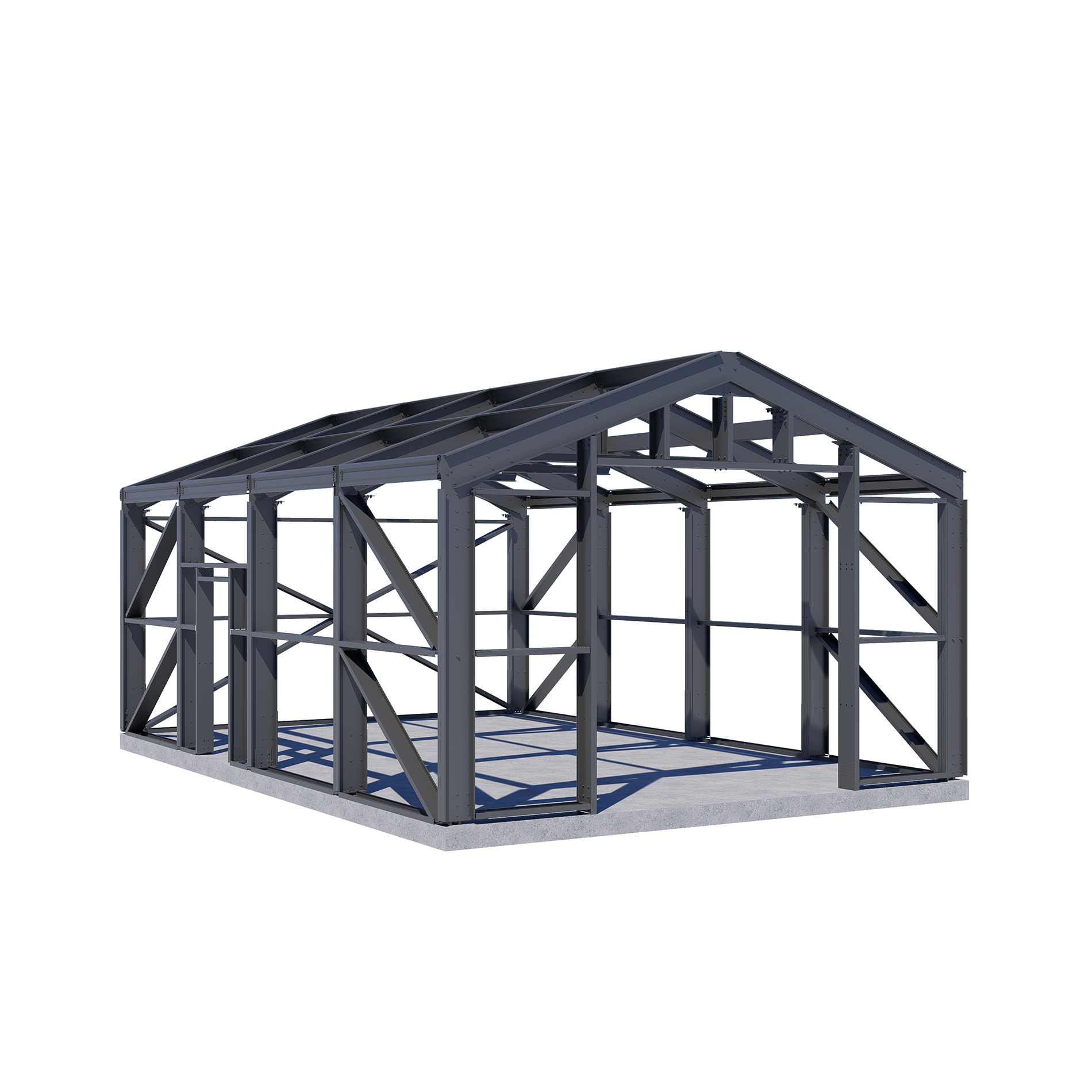
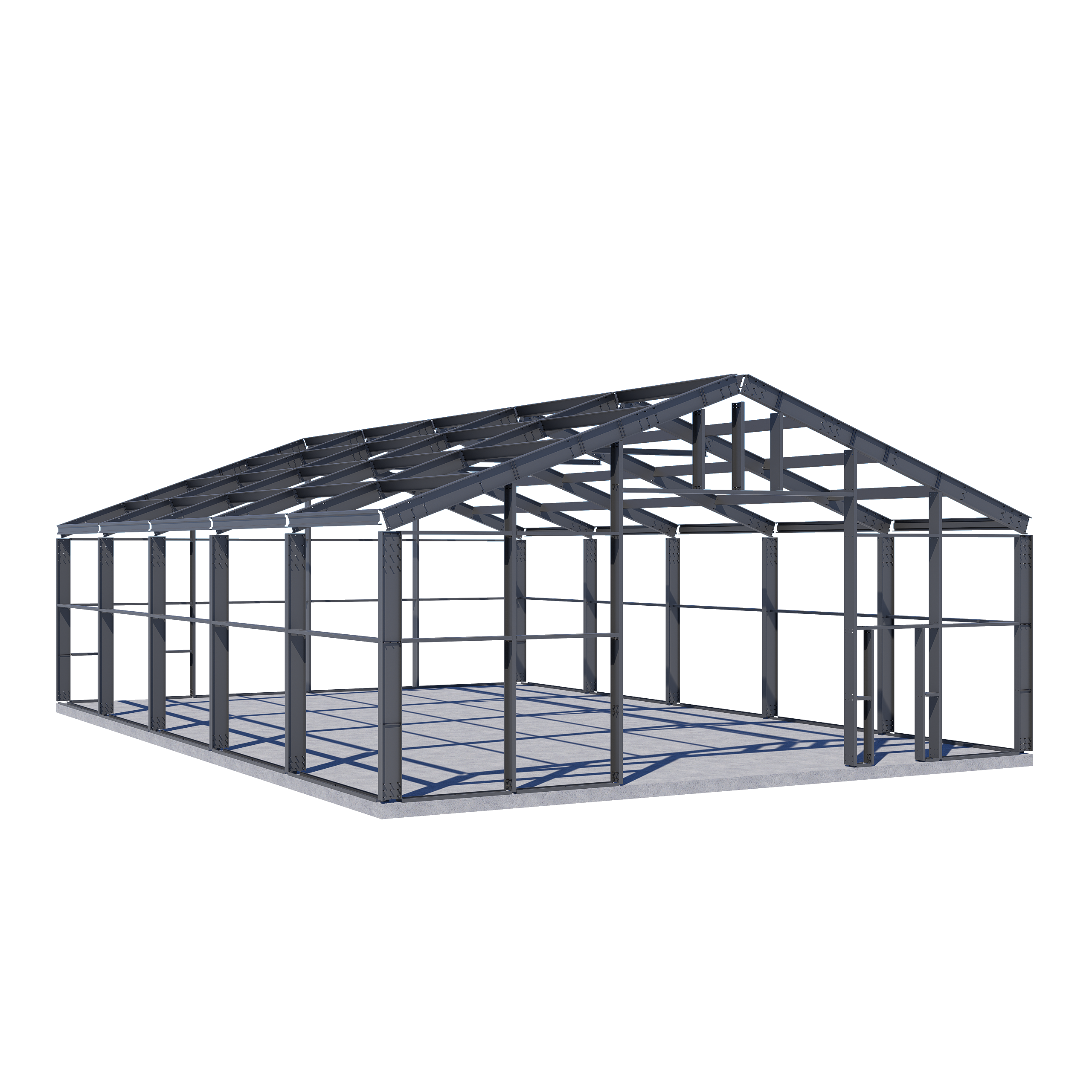
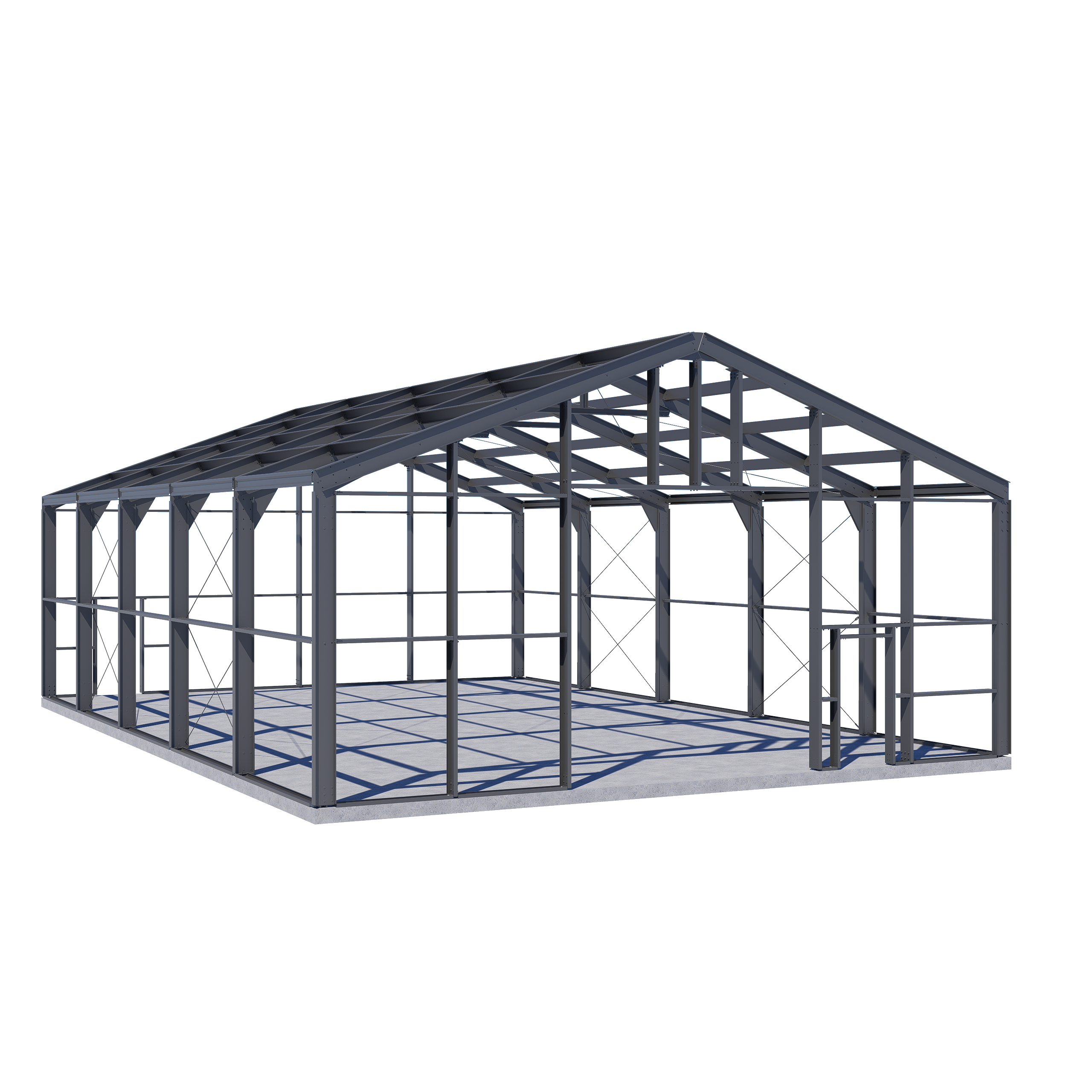
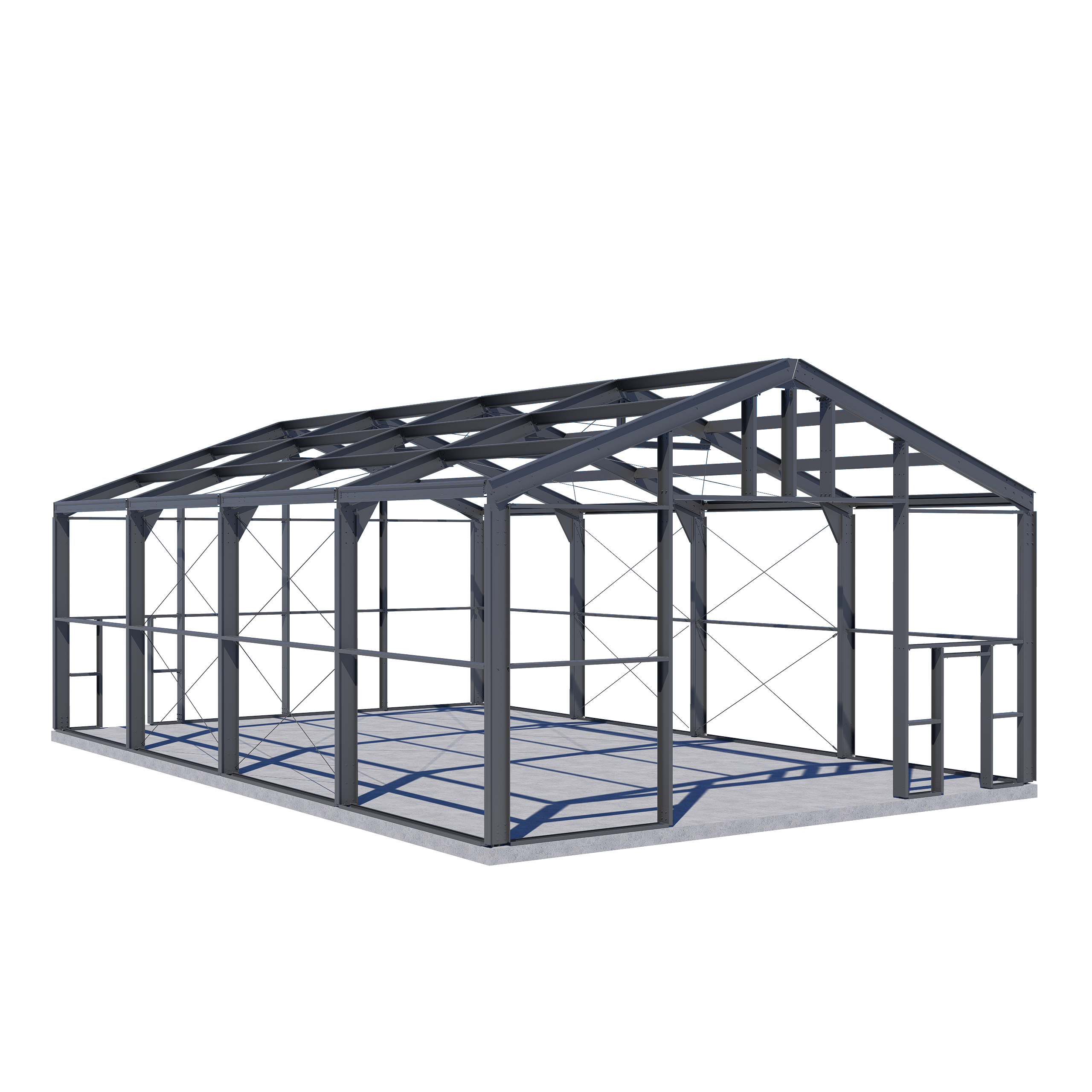
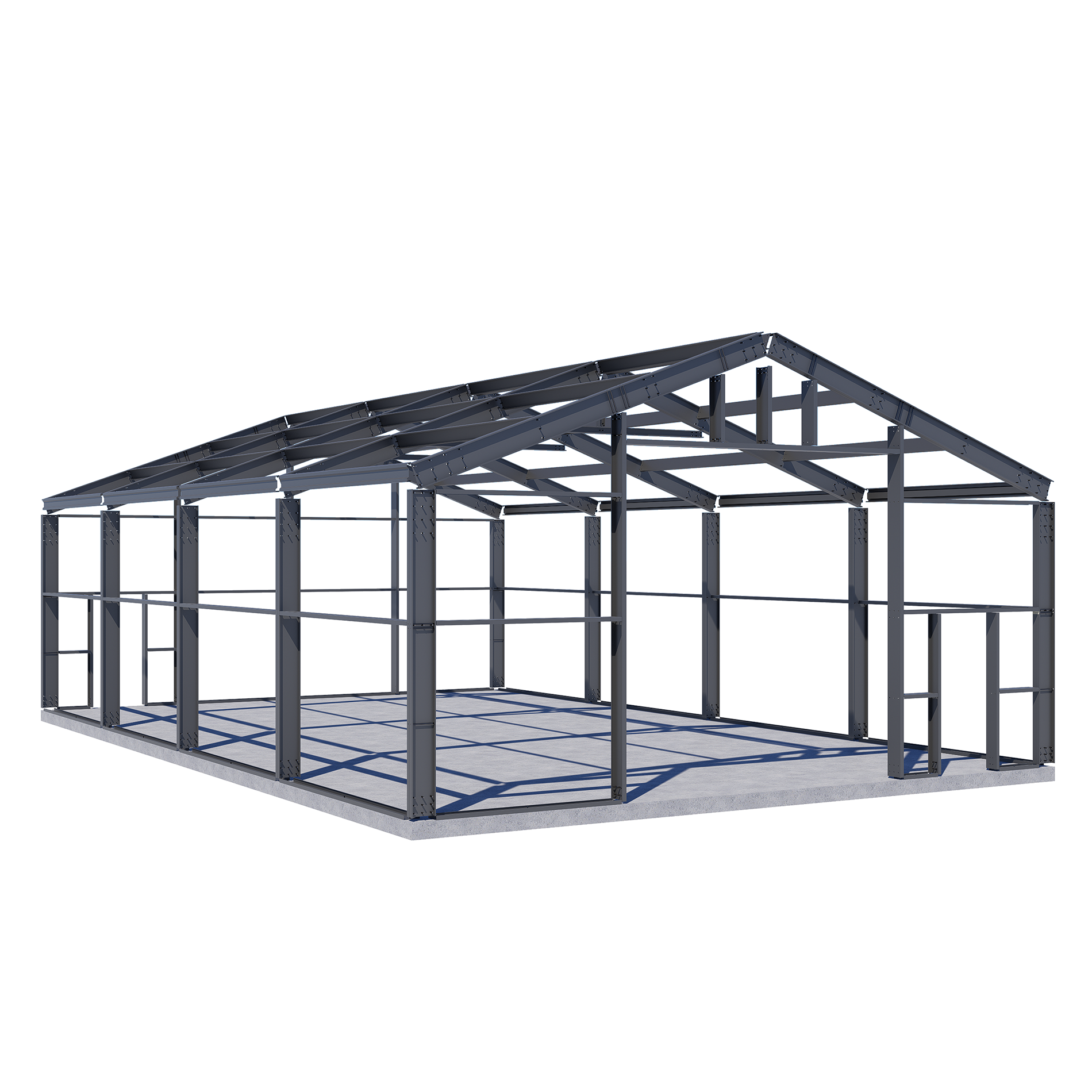
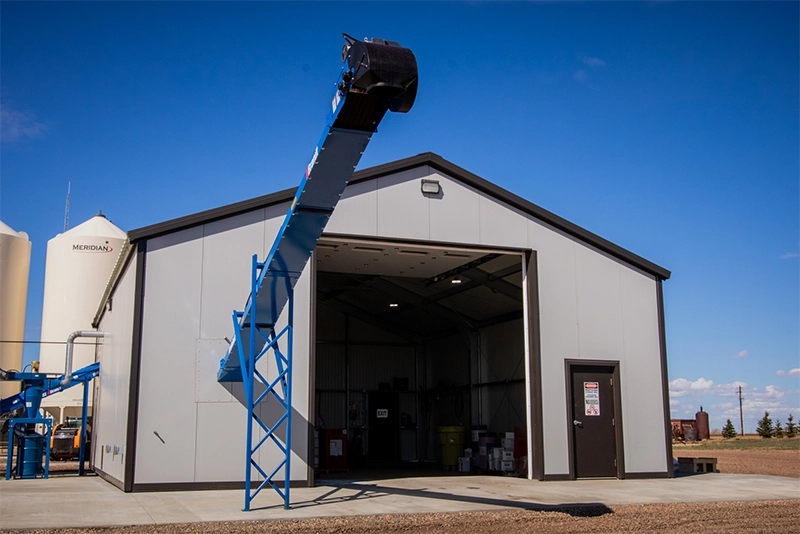
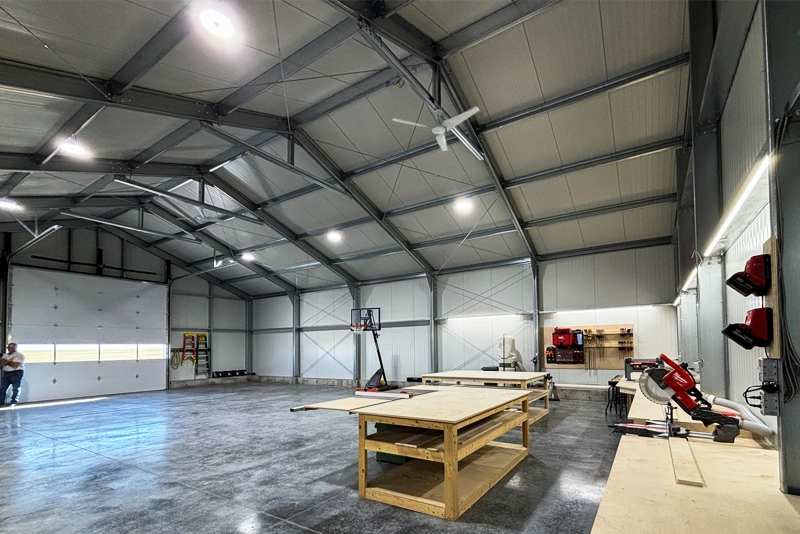
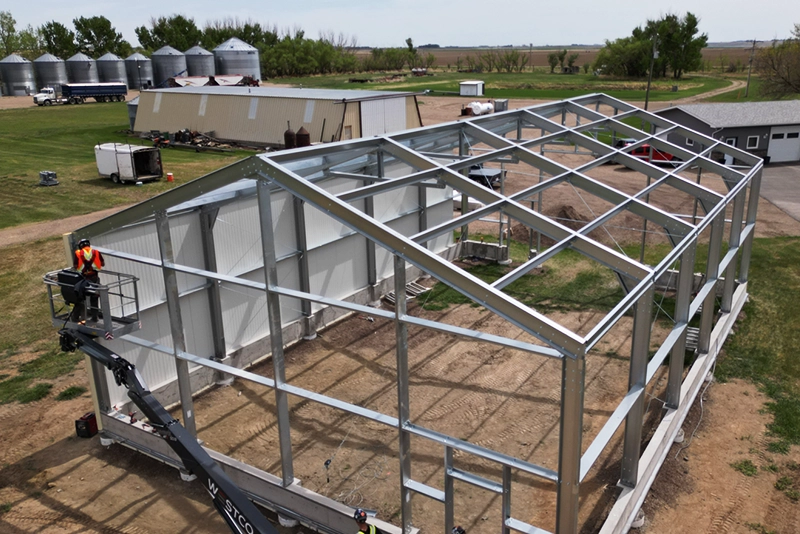
Non-insulated structures are buildings or components that don’t have thermal insulation. While they might not provide the same level of energy efficiency as insulated spaces, they serve important purposes. These structures are often found in settings where regulating indoor temperatures isn’t critical, like storage sheds, temporary workshops, or certain agricultural buildings. However, like any structure, ensuring their longevity is important to get the most out of your investment.
In Canada, with its wide range of weather conditions, from icy winters to warm summers, non-insulated structures face unique challenges. Without insulation to help manage temperature and moisture, these buildings might be more vulnerable to humidity, temperature fluctuations, and wear over time. Addressing these considerations can extend the life of non-insulated buildings and keep them functional for many years. By focusing on regular maintenance practices and understanding the specific needs of these buildings, you can effectively care for them, no matter where they are located in Canada.
Regular Inspections
Keeping your non-insulated structures in good condition starts with regular inspections. Think of this process as a routine checkup that helps you catch small problems before they become costly repairs. Regular inspections are key to identifying areas of concern early and taking action to prevent bigger issues down the road.
Here are a few areas you should focus on during inspections:
– Roof: Look for signs of leaks or missing shingles. A solid roof helps protect against water damage and other weather-related issues.
– Walls: Check for cracks or gaps that could let in water or pests. These may seem minor at first but can lead to bigger problems over time.
– Foundation: Inspect for any signs of settling or erosion. A stable foundation is crucial for the overall integrity of the structure.
Signs of potential wear and tear might include rust on metal components, mold on surfaces exposed to moisture, or soft spots in wood. Catching these early can save you time and money. Scheduling regular inspections, perhaps seasonally, can help you stay on top of issues before they become problems.
Consistent inspections make sure that your building remains reliable and durable. By staying proactive, you’ll find that addressing minor fixes consistently can prevent major repairs. Plus, this approach keeps your structure safe and functional, ready to handle whatever weather Mother Nature throws its way in Canada.
Essential Maintenance Practices
Maintaining non-insulated structures effectively demands regular cleaning and straightforward upkeep techniques. Dust and debris can accumulate, leading to wear if not managed. A gentle cleaning regimen helps preserve the structure’s appearance and functionality, and it’s a good idea to use soft brushes or a low-pressure hose to avoid damaging surfaces.
Protection against rust and corrosion is another priority, especially in metal structures. Applying rust-proof paint or sealant can help shield against the elements. Rust can start on exposed metal patches, so keeping an eye out for chips or scratches in paint can save headaches later.
Sealing any gaps or cracks is straightforward and makes a huge difference. This not only helps maintain the structural integrity but also keeps pests out and protects wooden elements from moisture. Regularly repainting protective layers also extends the structure’s life.
Addressing Repairs Quickly
Timeliness is key when it comes to repairs. Small issues can quickly grow if left unchecked, leading to significant and costly damage. Understanding common issues faced by non-insulated structures helps in addressing them proactively.
For example, leaks are often a concern, especially in the roof and around windows or doors. Spotting them early and fixing them prevents water damage. Likewise, look for any signs of structural damage, such as sagging or cracks, which could signal bigger problems.
Employing professionals for repairs ensures they’re done correctly and safely. While DIY spirit is commendable, professionally executed repairs reduce the risk of future issues and ensure the structure’s safety and durability.
Seasonal Preparation Tips
Seasonal changes in Canada can be quite severe, and preparing your structure for these shifts is important. Before winter sets in, check for any gaps or repairs needed. Ensure the structure is well-sealed against drafts and potential water infiltration.
Spring and summer introduce their challenges. With increased rainfall or humidity, this is a good time to inspect for rust or corrosion and repaint areas as needed. Clearing away any debris that might have accumulated around the base of your structure ensures proper drainage and prevents moisture build-up.
Overall, these seasonal maintenance tasks are designed to shield the structure from the variety of weather conditions that Canada experiences, keeping it safe and sound.
Keep Your Structure Standing Strong
Regular maintenance, timely repairs, and a proactive attitude toward seasonal shifts are the cornerstones of preserving non-insulated buildings. While these practices might seem like extra work, they save time and resources in the long run by averting major repair needs and extending the building’s lifespan.
By following this guide, you’re better equipped to handle the common issues that can arise. It pays to be proactive in these efforts, ensuring that your structure remains a reliable and enduring asset. Whether it’s routine inspections or addressing minor issues promptly, taking these steps ensures your building stands strong for years to come.
Ready to take your maintenance efforts to the next level? Trust Dutech Structures for expert solutions that enhance the durability of your buildings. Discover how proper care can extend the lifespan of your non-insulated structures and keep them functioning at their best.