

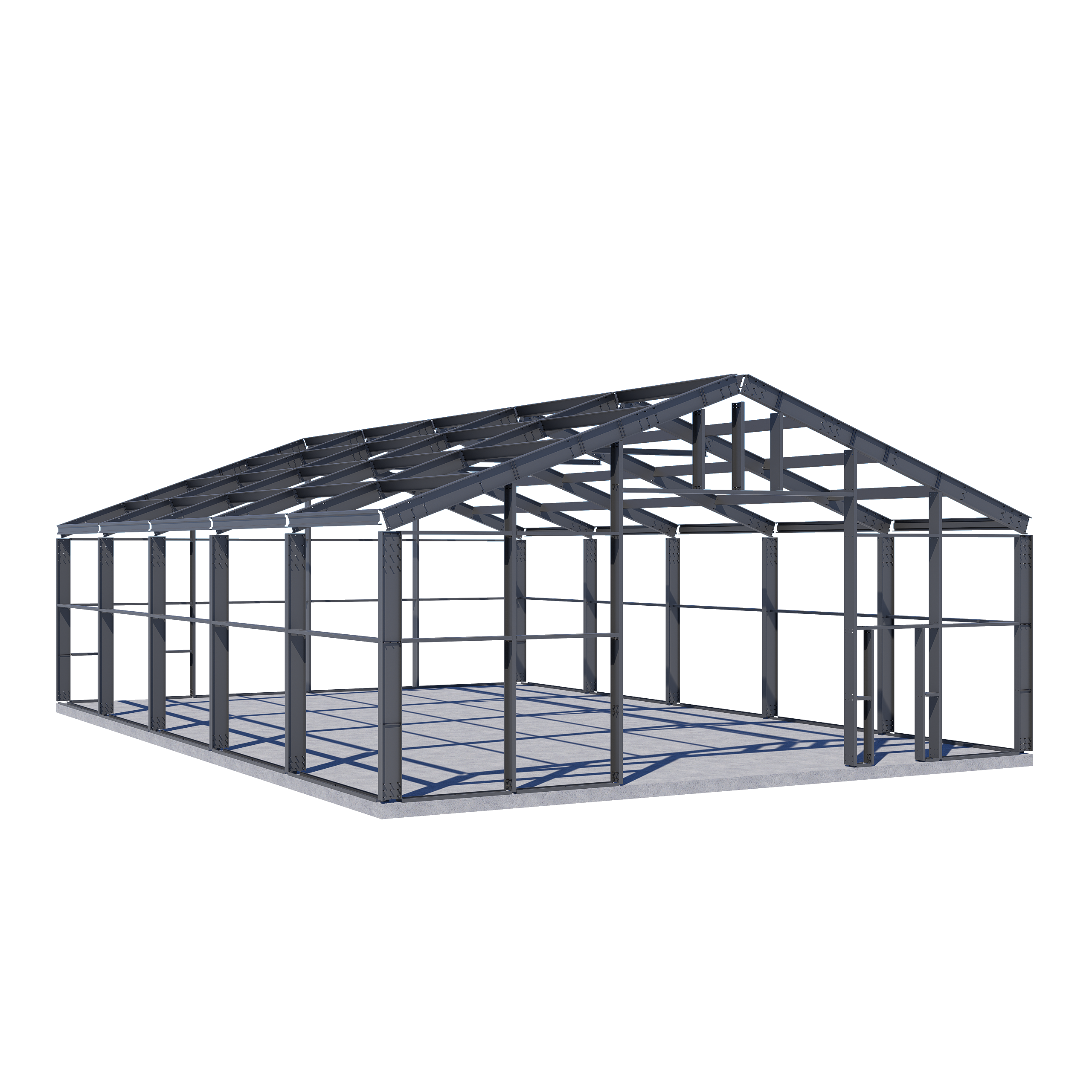
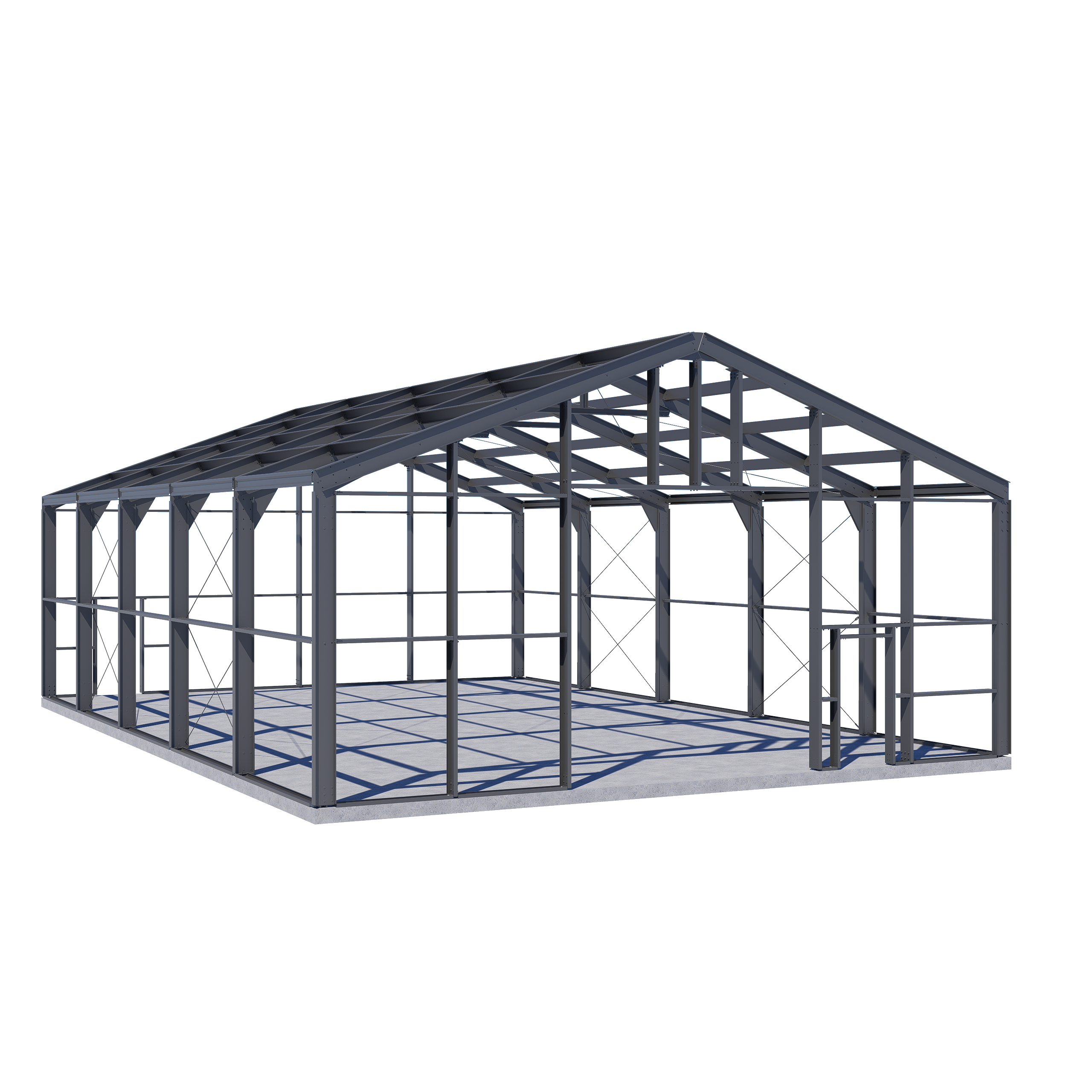
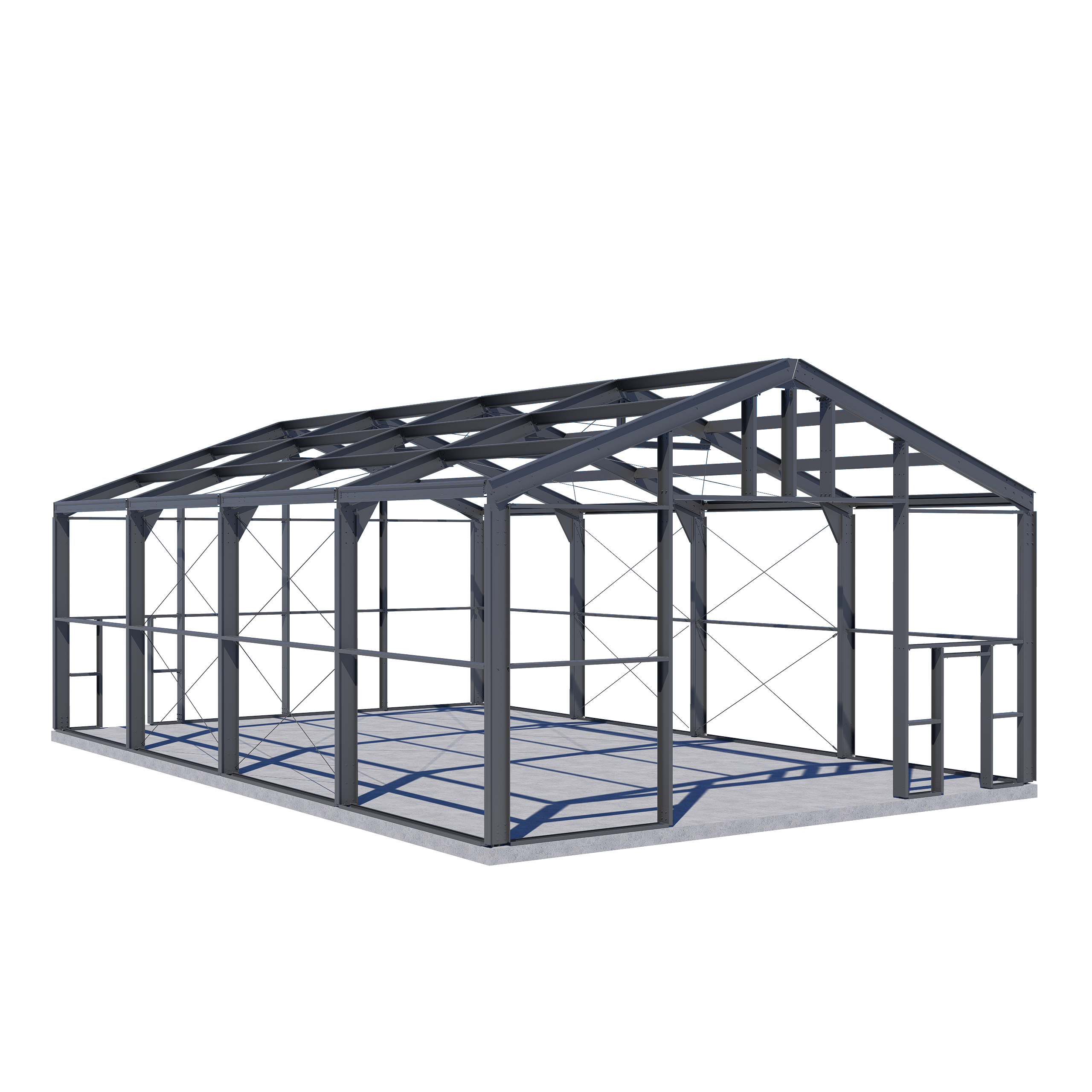
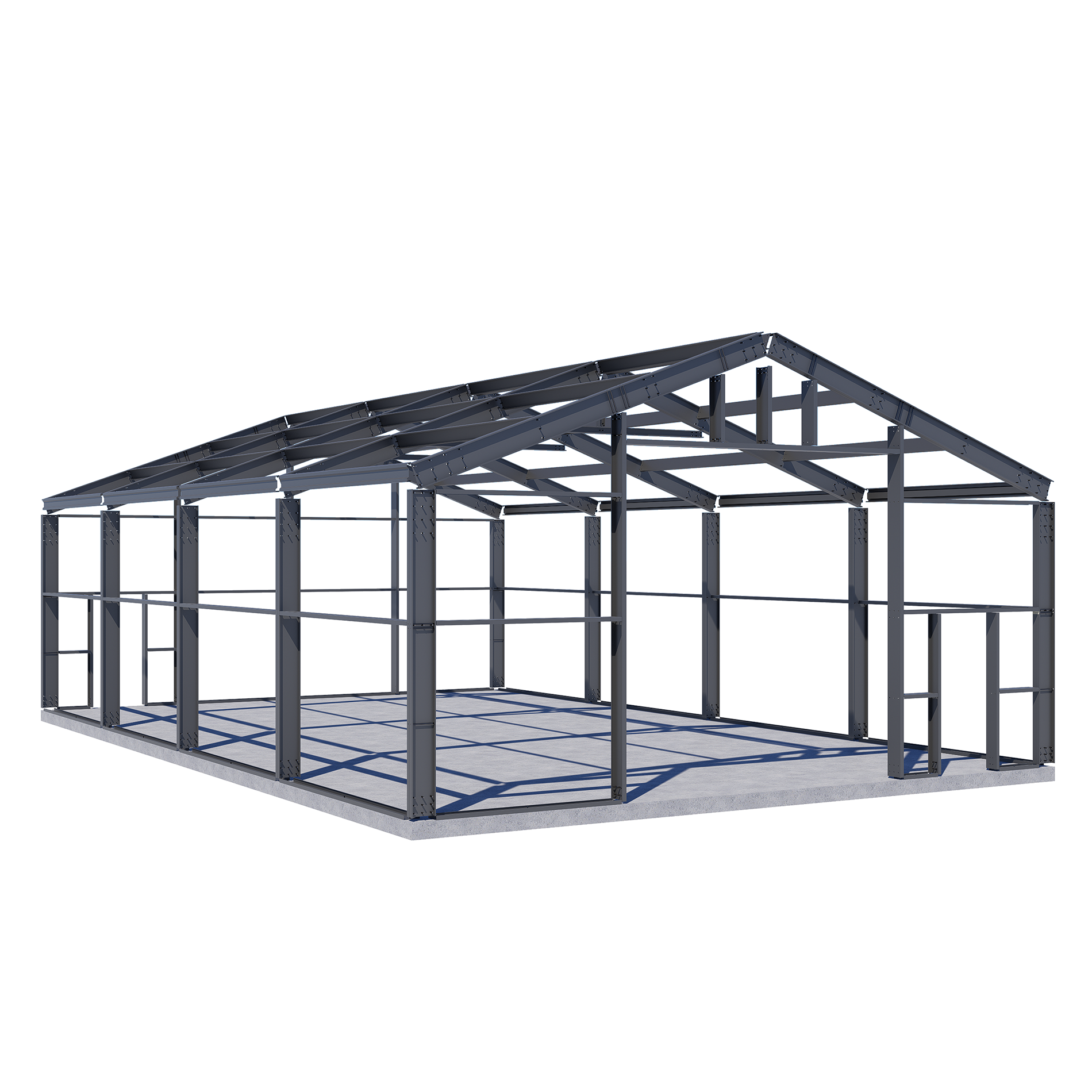

Winter hits hard in Canada, especially when a building isn’t built to handle it. We’ve all felt that chill seeping in through the walls or floors at some point, and when you’re spending any real time inside a place like that, it wears on you fast. Non-insulated structures might seem like a simple or quick solution, but once the snow piles up and the wind starts to howl, they can show their weak spots pretty fast.
If you’re planning on working, storing goods, or just trying to stay warm in a place like that during winter, it makes sense to understand how a lack of insulation makes things more uncomfortable. Some problems pop up right away, while others show after weeks of freezing wind and cold nights. Let’s take a look at what really happens as the temperature drops and why a smart building plan helps in the long run.
What Happens Inside a Cold Building
When a building goes up without insulation, keeping it warm becomes a daily fight. Not just a little discomfort here and there, but real cold that settles in and stays.
• Heat escapes quickly through the walls, roof, and floor, making the inside feel just as cold as it is outside
• Even closed-up spaces can allow cold air in through small cracks or weak spots
• If you’re trying to spend the day working or simply storing gear, it’s harder to keep anything warm or dry for long
Some people try to block off drafts or turn up a space heater, but without something solid holding the heat in, it all slips away. This can make a regular workday feel ten times tougher and a lot less safe.
The Hidden Effects of Moisture and Condensation
Cold buildings don’t just feel uncomfortable, they react in ways that affect the inside environment too. Warm air from people, tools, or heaters naturally wants to rise or spread out, but when it hits icy surfaces, it cools fast and turns to water.
• Water droplets can form on ceilings, walls, or equipment if the air inside gets even a little warm
• Over time, these small puddles of condensation can cause wear on materials like wood, plastic, and even some metals
• Floors might end up with wet spots, and that turns into a slipping hazard, especially on smooth surfaces or metal floors
The air itself might start to feel heavy or damp, even if it’s freezing. That’s not just uncomfortable, it’s not healthy to work in that kind of space for long stretches. And when moisture gets into storage areas, it risks damaging what’s inside, bit by bit.
Why Heating Non-Insulated Structures Doesn’t Always Help
The natural next step when you’re freezing inside a building is to add heat. But when the place isn’t insulated, that becomes a guessing game. You might feel warmth for a while, but it never lasts.
• Standard heaters end up working harder than they should, constantly running to keep up
• Because there’s nothing keeping that warm air in place, it moves out just as quickly as it enters
• You’ll find some areas might feel warm while others are freezing, creating uneven temperatures throughout the space
This uneven heating means you’re burning lots of power or fuel and still not getting warm. It also makes it tough to work efficiently or store any temperature-sensitive items, especially in the coldest parts of Canada.
When Equipment or Tools Are Affected by Cold
Some tools and gear don’t do well in the cold. If they’re left inside a structure that drops well below freezing, their performance can take a hit.
• Liquids in parts or machines can thicken or freeze
• Motors and other moving parts may slow down or stop working altogether
• Even things like batteries, paints, or building supplies can be damaged if left in cold, unprotected spaces
For workshops, farms, or storage units, this is a serious concern. It’s not always easy to check every item every day, so a poorly insulated space adds stress and risk whether you’re using the tools or just keeping them safe for later.
How Canadian Locations Make Winter Prep Even More Important
No matter which part of Canada you live in, winter doesn’t go easy. From Nova Scotia to British Columbia, snowfall and deep cold are part of the season. But some areas get hit harder than others, especially rural or open-field zones.
• Wide, open land gets stronger winter winds, which pull heat from buildings faster
• Northern places face longer deep freezes, where the cold lasts for weeks at a time
• Wet snow, sleet, and freezing rain mix with low temperatures to make a big mess for any structure that isn’t prepared
All of this puts more pressure on buildings to stay strong and warm. If you throw a non-insulated structure into this mix, it becomes a poor match for the weather. And the longer winter drags on, the more that cold space works against you.
Building Smarter for Canadian Winters
When heat escapes fast and cold settles in, everything indoors becomes harder, working, resting, even storing things. We’ve seen again and again how non-insulated structures just can’t keep up with what a Canadian winter demands. The cold isn’t just about comfort. It’s also about how well a space supports your daily use, how much protection it offers your belongings, and how safe your setup actually is.
Choosing smarter building methods, like adding insulation early on, makes a big difference. It helps hold warmth inside and keeps cold and moisture out. If you’re starting a new build or thinking about fixing up an existing one, planning ahead before the snow hits gives you more control and less stress later on. Winters here won’t stop being cold, but your workspace doesn’t have to feel like the outdoors.
Wondering if your current setup is up to the challenge of another Canadian winter? Cold weather in Canada consistently brings new obstacles, but having the right solution can make all the difference. We’ve gathered valuable information about non-insulated structures to help you make an informed choice for our unique climate. At Dutech Structures, we’re committed to helping you find a space that’s safe, practical, and ready for whatever the season brings. Contact us today to discuss the best options for your needs.