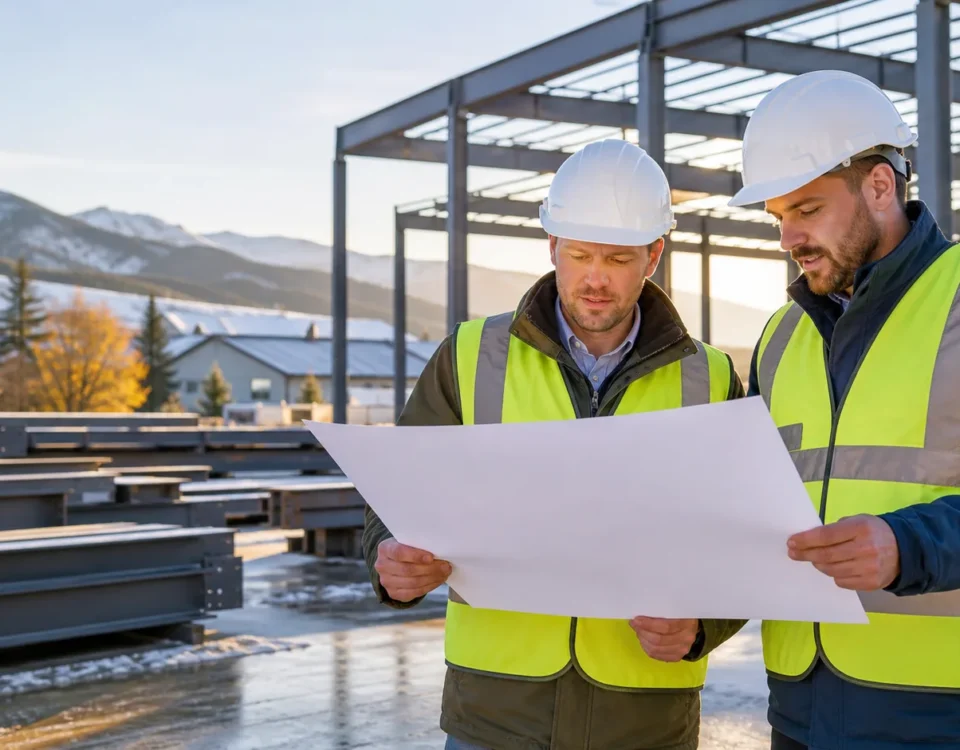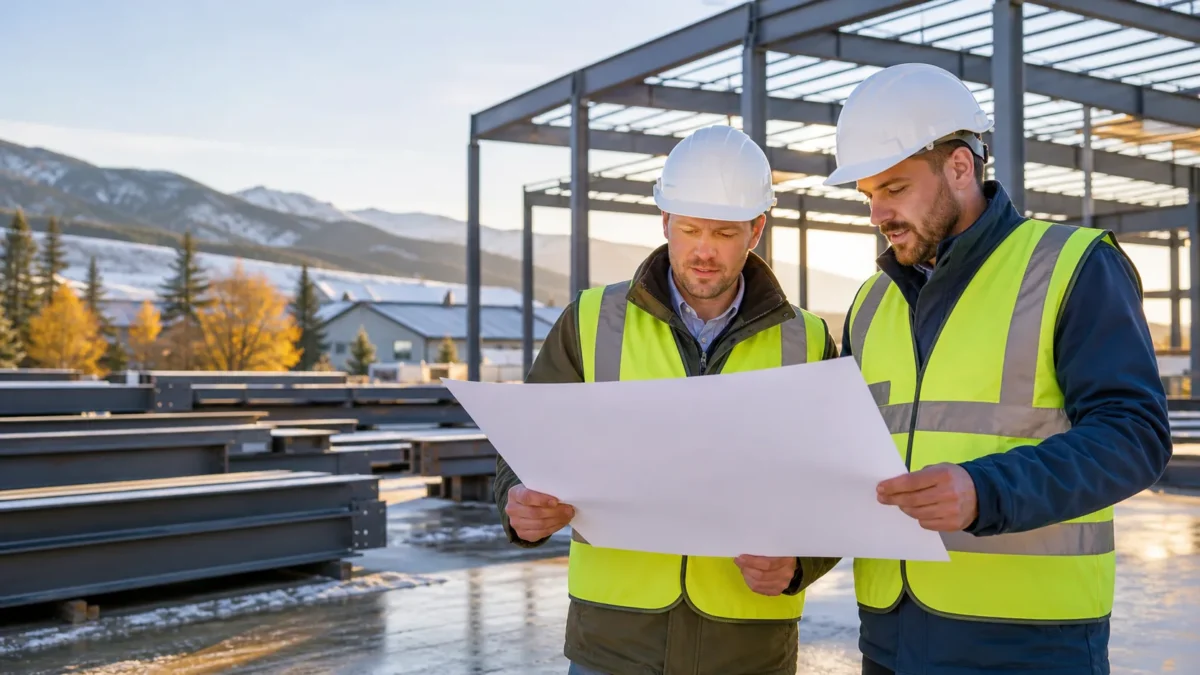


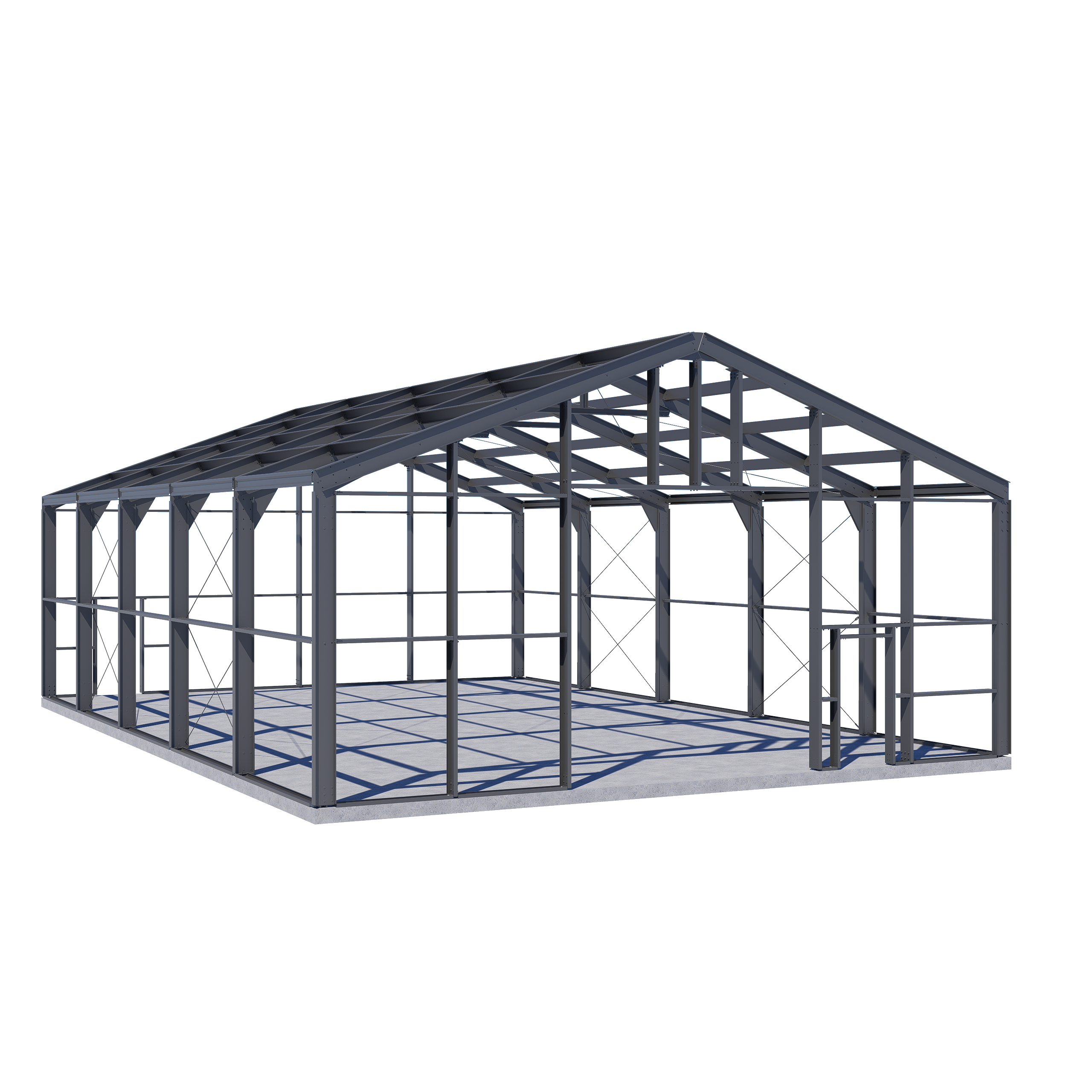
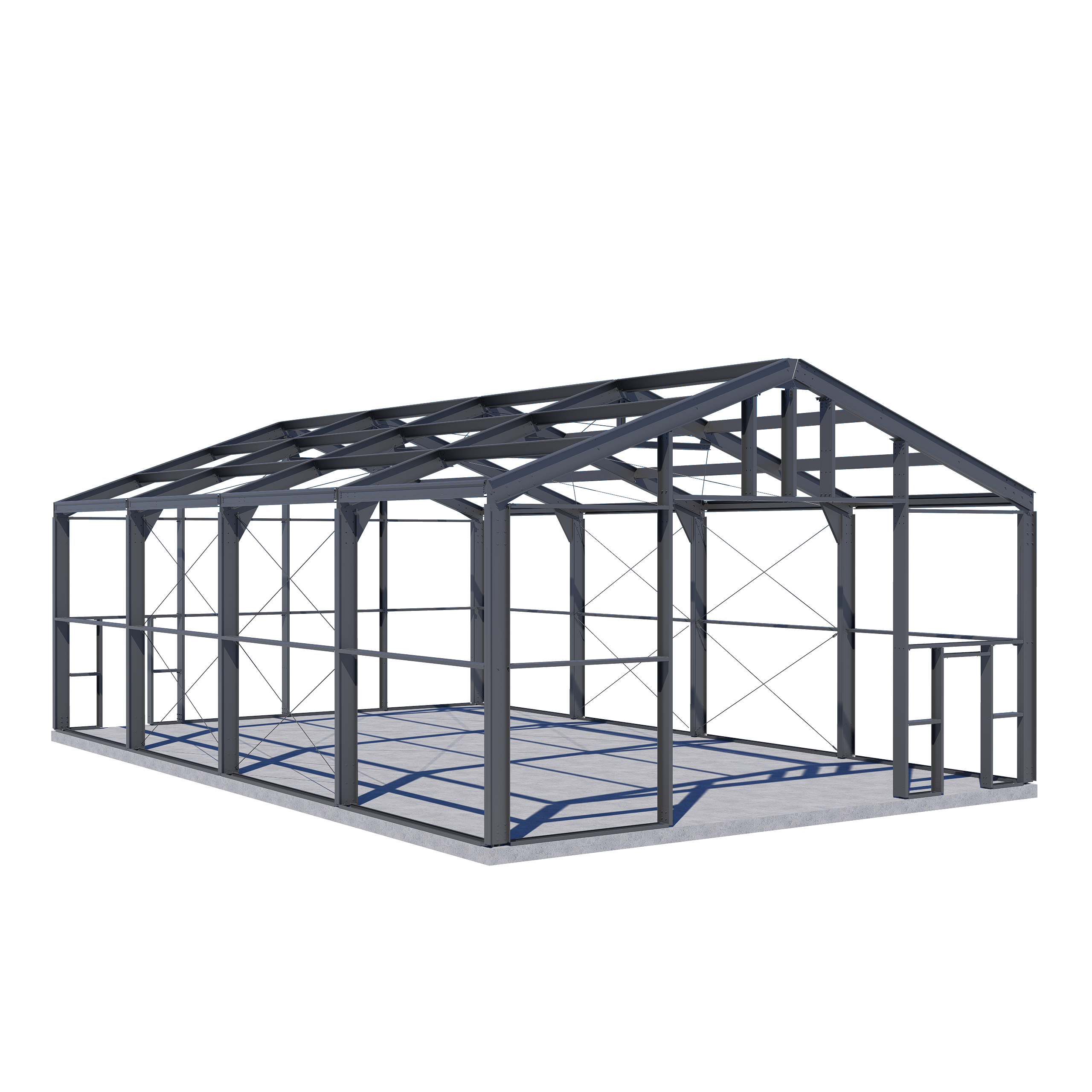
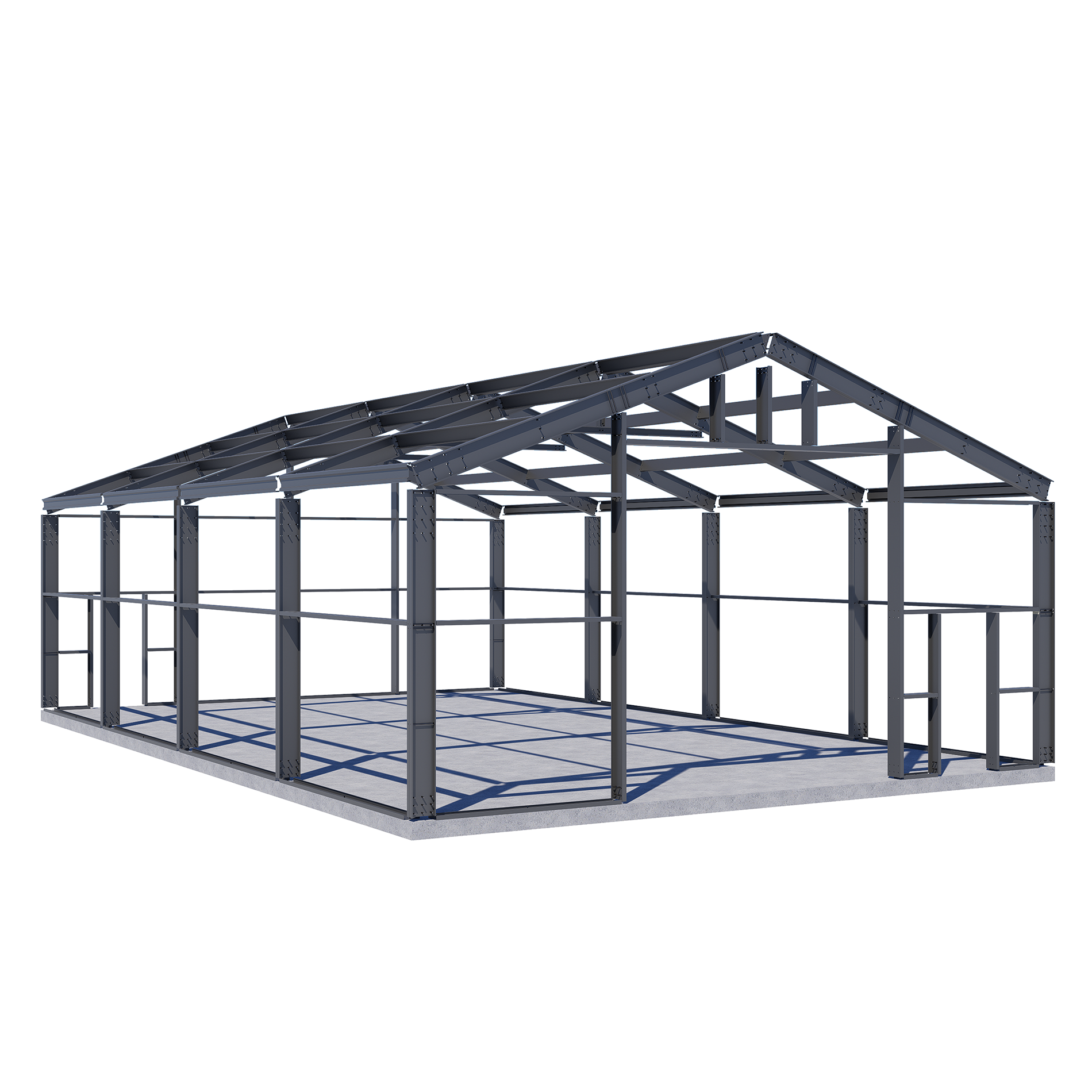
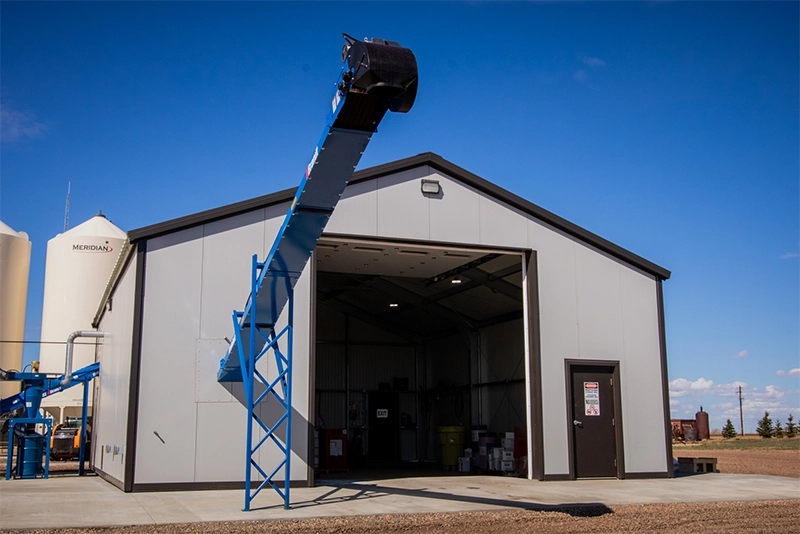
Winter can make nearly every part of a building project run more slowly, especially in colder parts of Canada. Heavy snow, bitter wind, and freezing temperatures push timelines and create new risks on jobsites. That’s why it matters who we work with and what type of building structure we’re putting up.
When we start looking for a steel building shop, we’re thinking beyond just the frame. We’re looking for someone who understands what winter really looks like around here, and how to build something that’s strong, sealed, and ready when the weather turns rough.
We don’t just want a building that stands up straight. We want one that keeps the cold out and the work going, no matter what’s happening outside. That means finding a shop with experience in winter weather, the right materials, and options that make our builds safer and faster, even when everything is frozen solid.
What Makes a Shop Winter-Ready
Not every shop is ready to take on a build in serious cold. The right one should already be thinking about snow loads, ice, and frozen ground while we’re going over early design choices. Here’s what we look for.
• Snow loads matter more in winter builds, and roof angles play a big role in how that buildup is handled. A low slope might mean more weight piling up, so we want a shop that can adjust the design to match those risks.
• Insulation shouldn’t be an afterthought. Walls and roofs need options that keep heat in without creating moisture problems. That might include built-in panel systems, thermal breaks, or special wraps that add extra protection where it’s needed most.
• Look for features made specifically for cold climates. Things like frost-protected foundations or radiant floor heat may not be used on every job, but we want our shop to know when those features can save serious time and effort.
Cold-weather projects need a shop that’s already thinking ahead. The more this kind of planning is built into the process, the better we can keep the schedule on track.
Materials and Coatings That Stand Up to Cold
Steel holds up well when the temperature drops, but that doesn’t mean any steel will do. The materials from a winter-ready shop should be the kind that fight off rust, stay strong in the cold, and work with other building components without shifting over time.
• We start by choosing steel that’s rated for outdoor use in freezing conditions. It needs to stay solid without becoming brittle or cracking from sharp drops in temperature.
• Coatings do more than make the steel look nice. The right type helps prevent rust from salt, meltwater, and months of damp weather. We check that our shop uses protective finishes that don’t peel or wear down after just one cold season.
• Panel connections and wall joints are another weak spot. We want to see tools and materials that won’t shrink or warp when frozen. Reliable seals at every panel help keep wind and snow where they belong, outside the building.
The goal is to build once and build right. That only happens when every part of the material setup is ready for long winters and sudden freezes.
How Experience Shapes Design Choices
Cold-weather building takes more than just strong materials. It takes people who’ve done it before and know what works. That’s why the experience of a steel building shop makes such a big difference.
• When a shop has built in cold regions before, they’re quicker to spot design issues that might fail once the snow hits. Things like roof spans, door placements, or airflow zones can all affect warmth, strength, and safety.
• Experienced shops tend to make better use of the build schedule, too. They understand which parts need to be timed carefully, and which can be done in advance to avoid delays when a storm rolls in.
• Many of them have long-run designs that already fit cold-weather use. Tweaking those for our project saves time and gives us more confidence when it’s time to break ground.
Shops with this kind of background don’t just fix problems after they happen. They build smarter from the beginning, and that helps us do the same.
What to Ask Before You Build
We like to be clear and direct when planning with a new shop. There are some cold-weather questions that always come up, and the answers often tell us whether we’re working with the right partner.
• Ask how they handle materials before they hit the site. Indoor storage or weather-resistant packaging can make a big difference, especially if there’s snow or sleet the week before framing begins.
• Ask about schedule plans. Are they building in buffer time for sudden freezes or storms? Will delivery drivers still run the route if snow is expected?
• Ask what kind of support the shop offers before and after the delivery. Winter builds often need quick answers and tight communication, and we want to know if we’ll get that when the job is up and running.
Being ready for winter isn’t just about the building. It’s about clear expectations and plans we can count on, no matter how the weather turns.
Built to Handle the Season Ahead
It’s easy to think that once the walls go up, the job is done. But when we’re working through winter, there’s more riding on those early decisions. A steel building shop that understands how to plan for cold weather, build for snow, and stay on track in tough conditions gives us better control over the entire project.
Strong materials, innovative features, and cold-weather experience are the things we look for, especially in places like Canada, where deep freezes and heavy snow are normal parts of the season. A better start means fewer delays and stronger buildings that hold up when it counts. Picking the right shop for winter isn’t just smart, it’s how we finish strong.
Taking on a project in one of Canada’s colder regions means careful planning and the right team by your side. Cold-weather construction brings unique challenges, but our experience with smart materials and strategies helps keep every stage on track.
Choosing a trusted steel building shop with winter-ready solutions makes all the difference. At Dutech Structures, we help you build smarter from day one. Connect with us today to discuss what your winter project needs.