

As winter starts to wind down in Canada, many of us begin looking ahead to spring. But before the snow fully melts, it’s a smart time to give your building a good once-over, especially the exterior wall cladding. Cold weather, snow buildup, and wind can leave behind damage that’s easy to miss if you’re not looking for it. Waiting until spring rains begin could make small issues turn into costly ones.
By checking things early, we give ourselves a better shot at catching problems while they’re still manageable. It doesn’t take much, just a quick walk around the property and a little attention to detail. Here’s what to look for so your building stays in good shape once the weather turns warmer.
What Winter Can Do to Exterior Walls
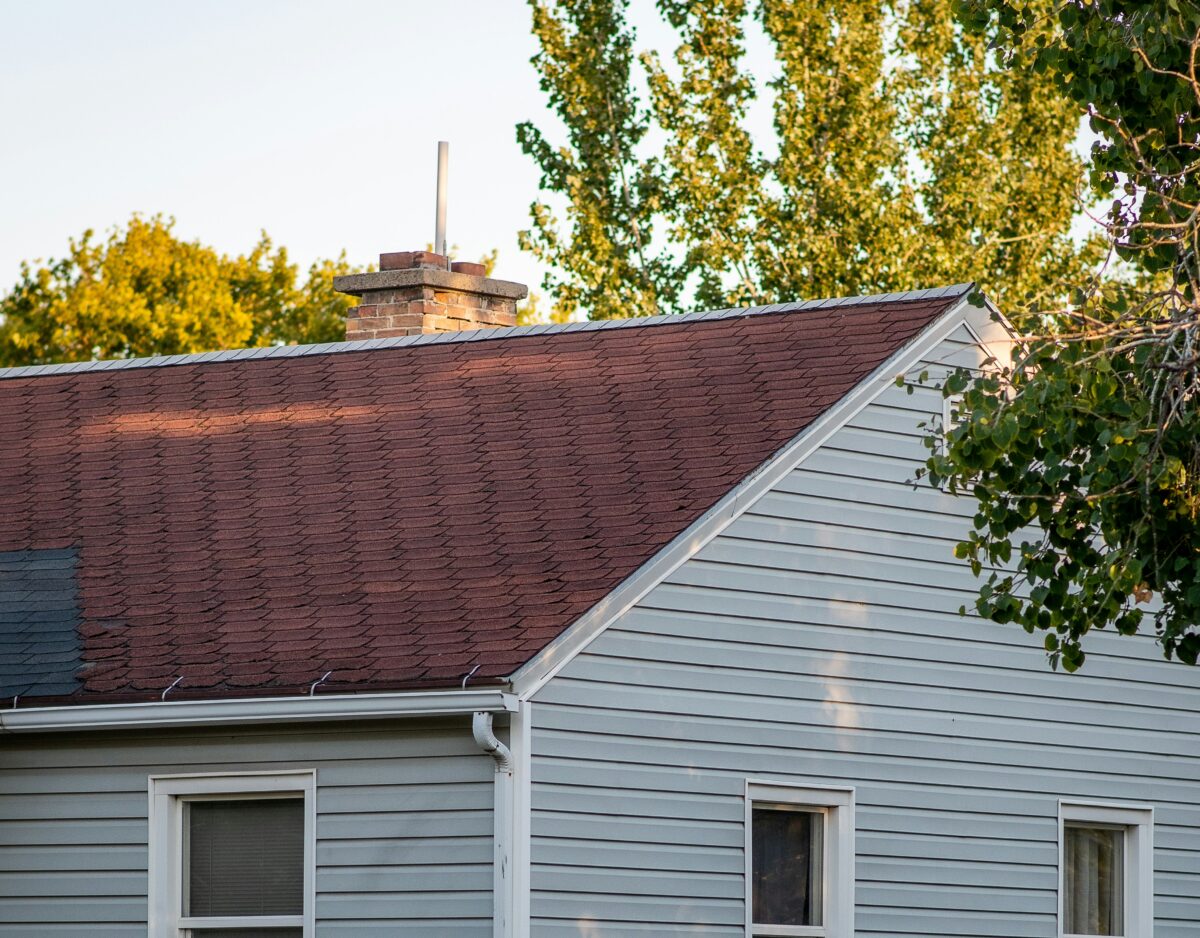
Winter weather isn’t easy on buildings. Freezing temperatures can make materials contract, while daytime sun may cause them to expand. All that back and forth weakens the structure over time. Mix in the constant weight of snow on the roof and moisture creeping into cracks, and your walls can end up taking quite a beating.
Some of the most common winter-related issues include:
- Cracking in the wall panels after repeated freeze-thaw cycles
- Bulging or warping that shows something underneath may be failing
- Panels pulling away from their frames or becoming loose
The hard part is that not all damage shows up the same way. Some areas will look fine until something shifts or a leak shows up. That’s why small signs matter, catching them early helps put the brakes on any bigger issues.
Signs to Watch for on Wall Surfaces
Even if you don’t see anything dramatic, there are plenty of subtle clues that something’s off. The outside surface of your wall cladding can tell you a lot if you know where to look and what it could mean.
- Look for peeling paint, fading, or water stains, these might mean moisture has gotten inside
- Keep an eye out for rust spots, dents, or scratches, all of these may lead to weak spots
- Check for tiny cracks or splits, especially if your area had a lot of freezing and thawing this winter
Sometimes these signs are easy to miss if you’re only glancing quickly. So pay a bit more attention when the sun hits the building, or check the same wall at different times of day. Light can help bring out what shadows hide.
Trouble Around the Joints and Fasteners
Most people focus on wide-open wall spaces, but the real weak points are often along the edges. Where panels meet, where screws hold things in place, or where seals were once tight, it’s these areas that usually give in first after a long winter.
- Be sure to check joints between panels, especially at corners and around windows and doors
- Watch for missing or rusted screws that might once have been holding everything tight
- If you had sealants or caulking, look for areas that seem dried out, cracked, or missing altogether
Even a small gap can be enough for water to sneak in once spring rain begins to fall. And once it gets in, it can sit there and cause more damage before you even know it’s become a problem.
When to Ask a Pro to Take a Look
While it’s helpful to walk around and check things ourselves, not all damage shows up right away. Some warning signs can hide under the surface or require a trained eye to notice. If something feels off or you’re unsure whether a spot needs fixing, that’s a good time to get professional help.
Trained inspectors can use tools and testing methods we might not have access to. They can see if moisture is hiding behind cladding or if the framework underneath has shifted.
Getting a second opinion now often means fewer surprises later. Leaks, loose panels, and weakened joints tend to get worse with warmer weather and rain, not better.
Why Choose Steel Cladding for Canadian Winters?
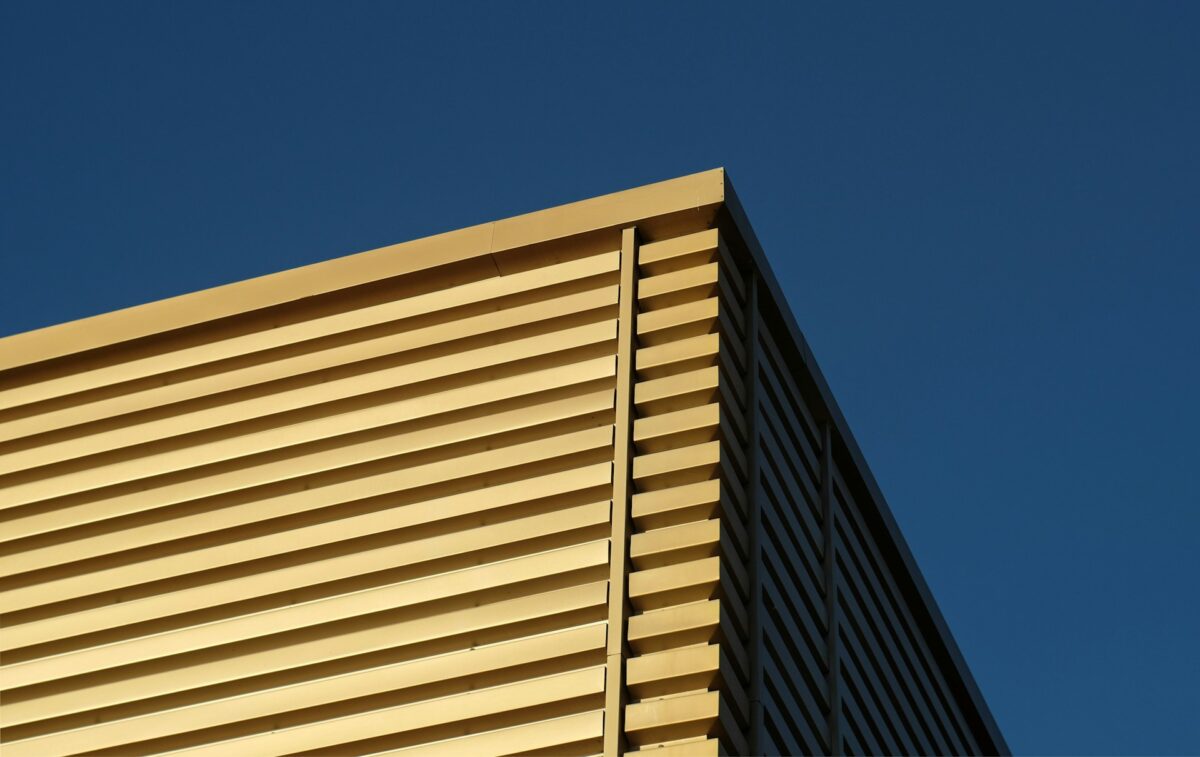
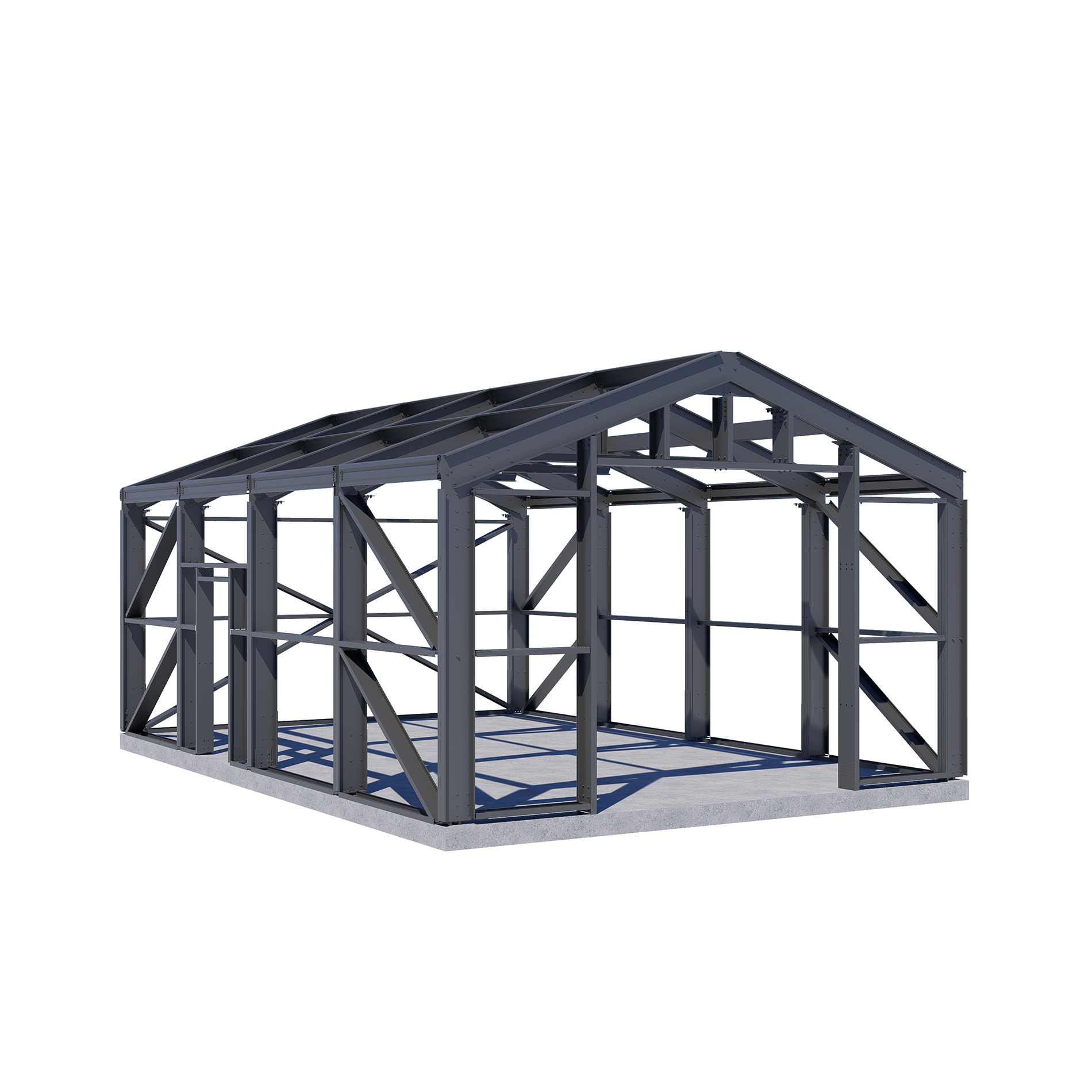
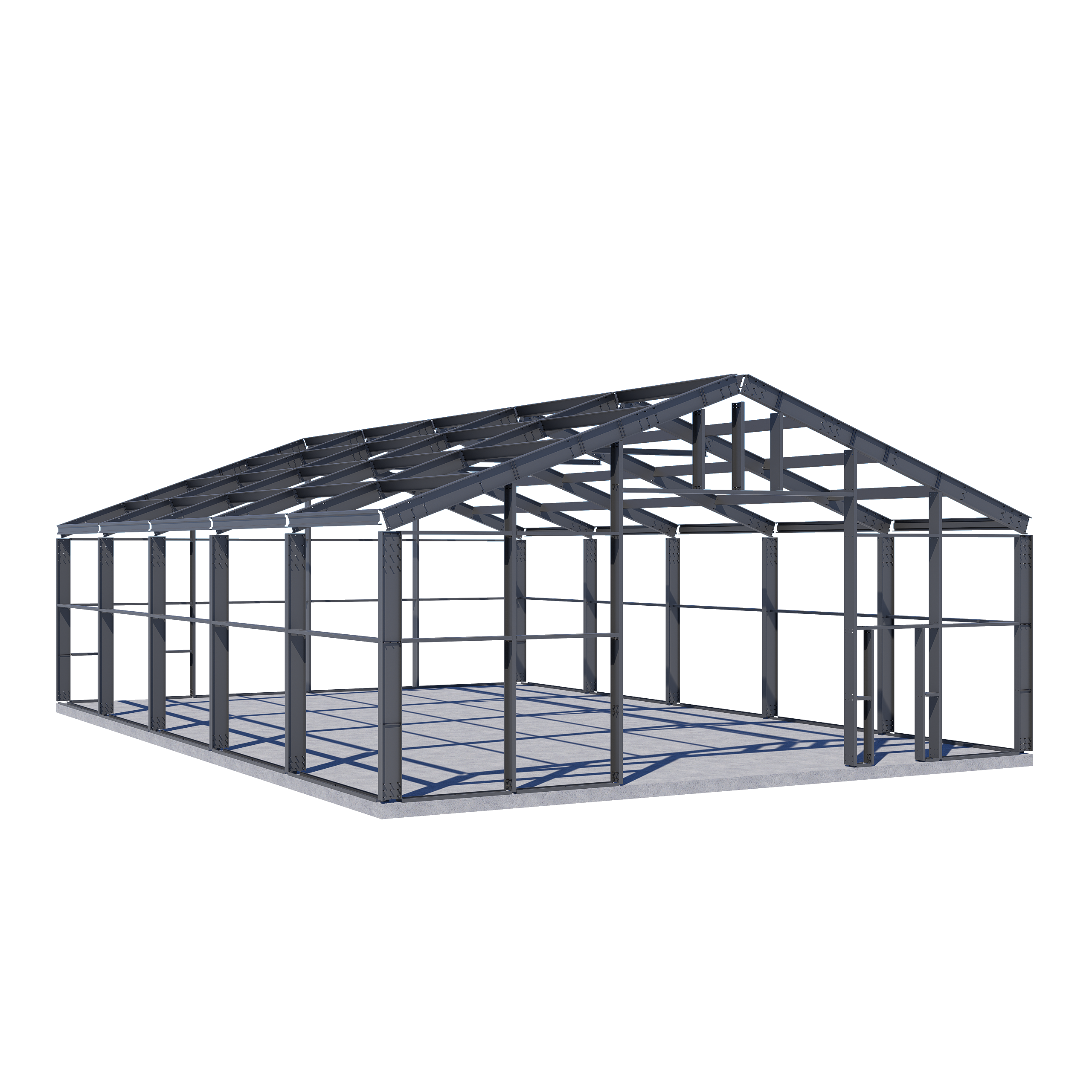
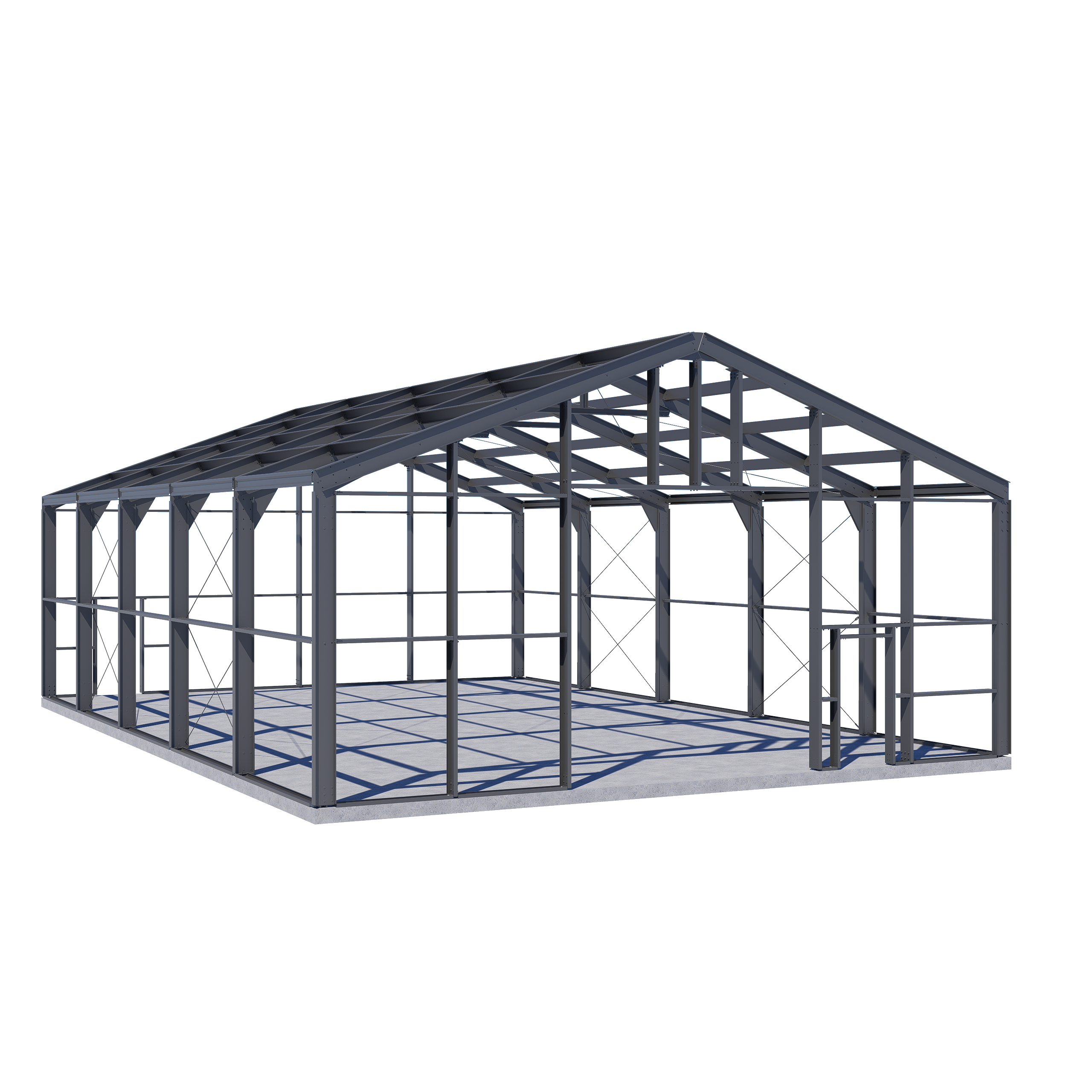
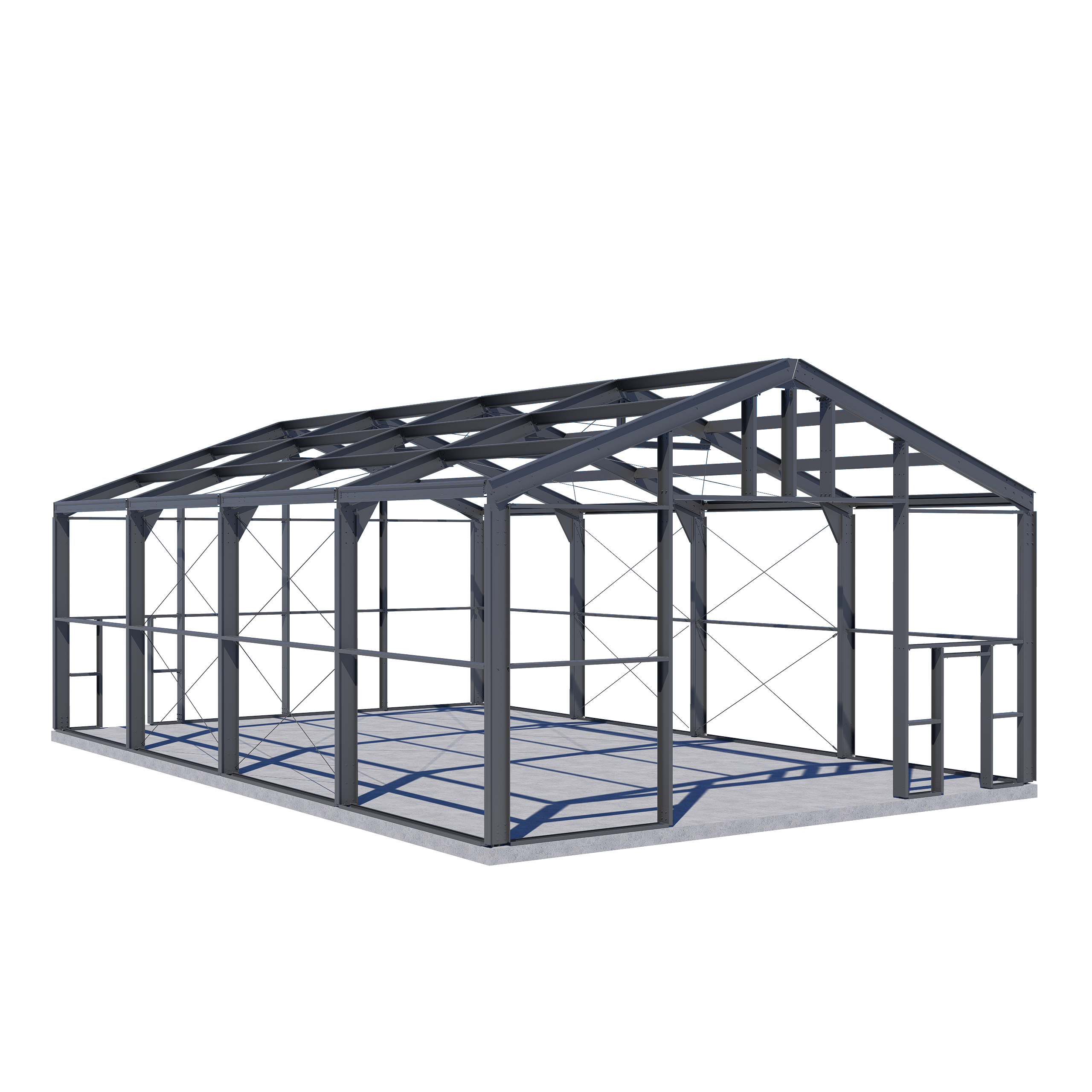
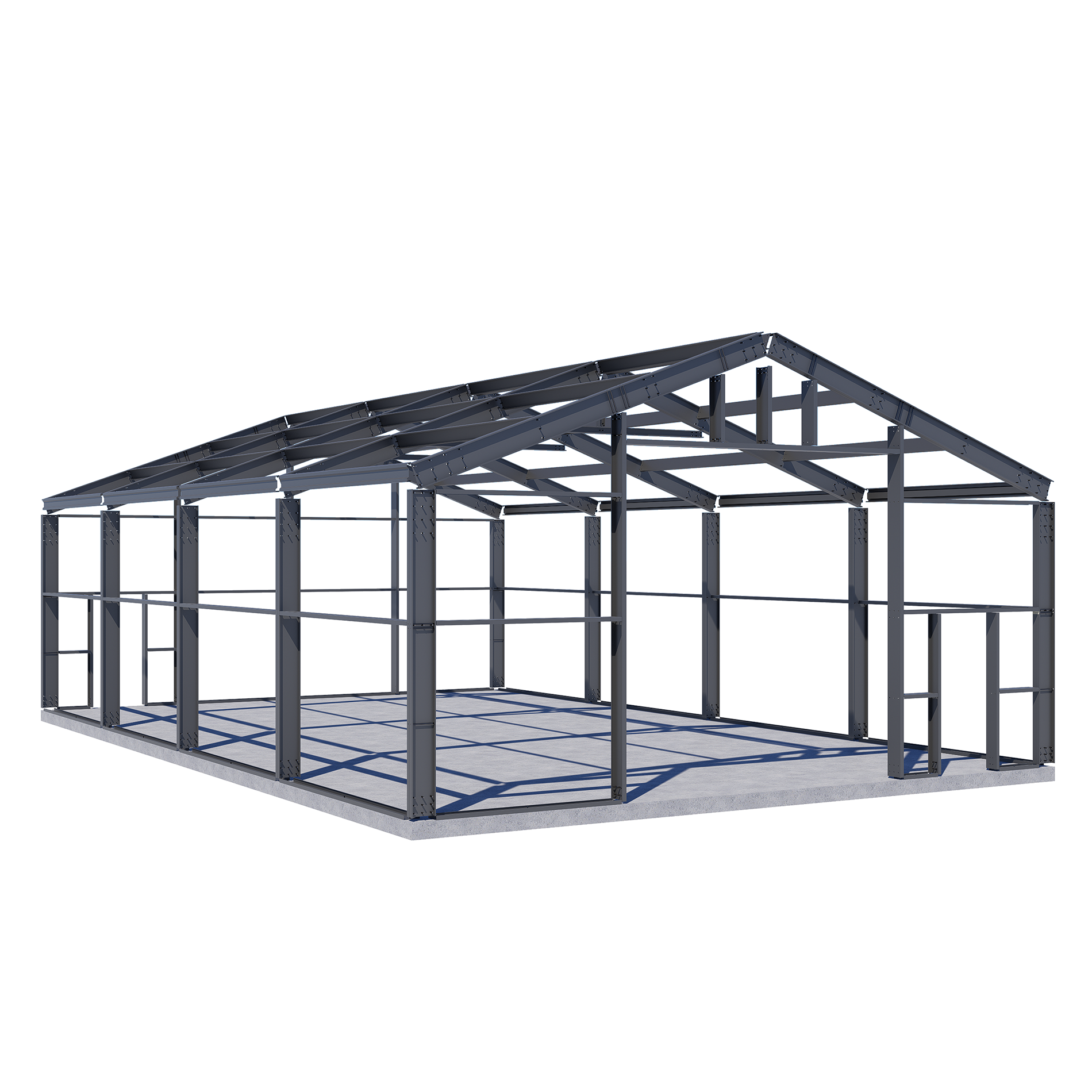
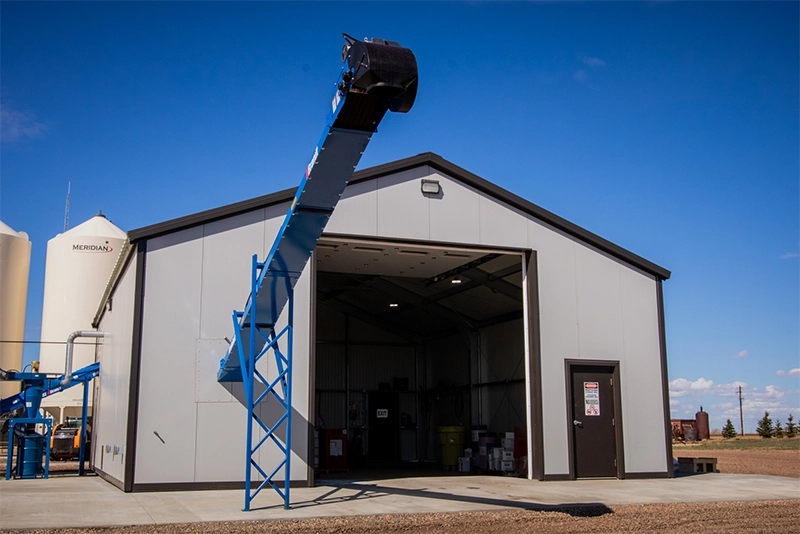
Steel buildings, like those offered by Dutech Structures, are designed to handle demanding Canadian climates. The cladding systems used in these structures are low-maintenance and engineered for added strength, making them ideal for standing up to significant temperature changes, snow, and wind. If you have steel wall cladding, you already benefit from durable materials that resist many common problems found in other types of exterior finishes.
What a Quick Check Now Can Save You Later
A few minutes walking around your building now can save you days of repair work in the spring. Too often we wait until water’s already inside the walls or something shifts, and by then, we’re dealing with more than just a loose panel.
- Spotting small issues early means smaller repairs, quicker fixes, and less stress
- Keeping up with exterior wall cladding checks helps the whole structure last longer
- Simple habits like spring checks help us protect our space without a lot of effort
By taking the time now, while it’s still cold but drying out, we give ourselves a better shot at avoiding problems when the weather warms up. Spring doesn’t have to catch us off guard when we already know what to look for. Keeping our building strong starts with paying attention when the seasons change.
Be Proactive with Dutech Structures
With over 30 years of experience supplying steel buildings across Canada, we have seen firsthand how timely inspections can extend the life of your property. Our team provides fast and affordable solutions, so you’re never left dealing with preventable damage once the snow melts.
At Dutech Structures, we know how Canada’s winters can push building materials to their limits. Staying ahead of seasonal damage starts with knowing what to look for, and that includes the condition of your exterior wall cladding. Whether you’re spotting signs of wear or just want peace of mind before the spring thaw, it helps to act early. If anything seems off or you’re unsure about a part of your building, we’re ready to help. Contact us today to talk about what you need.