

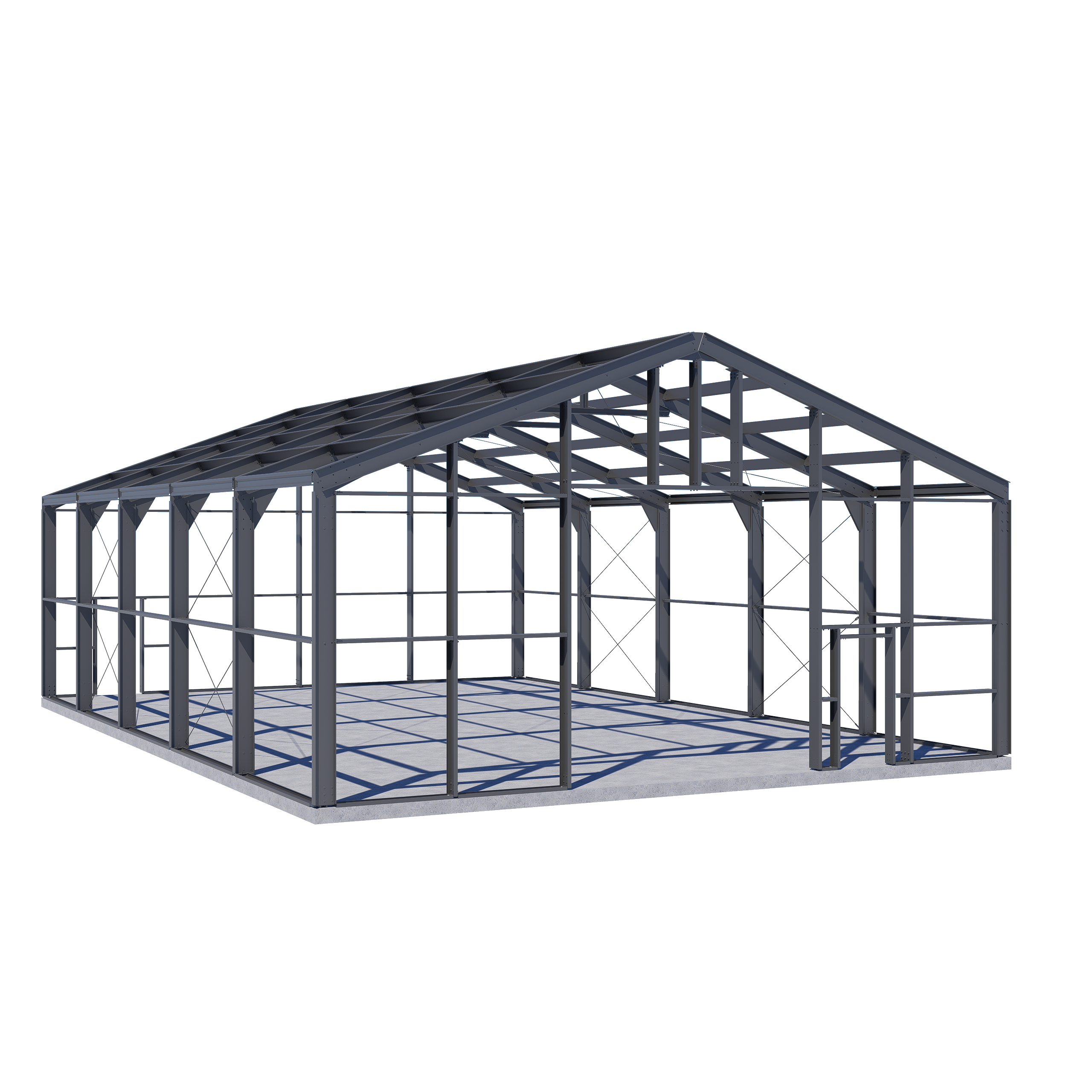
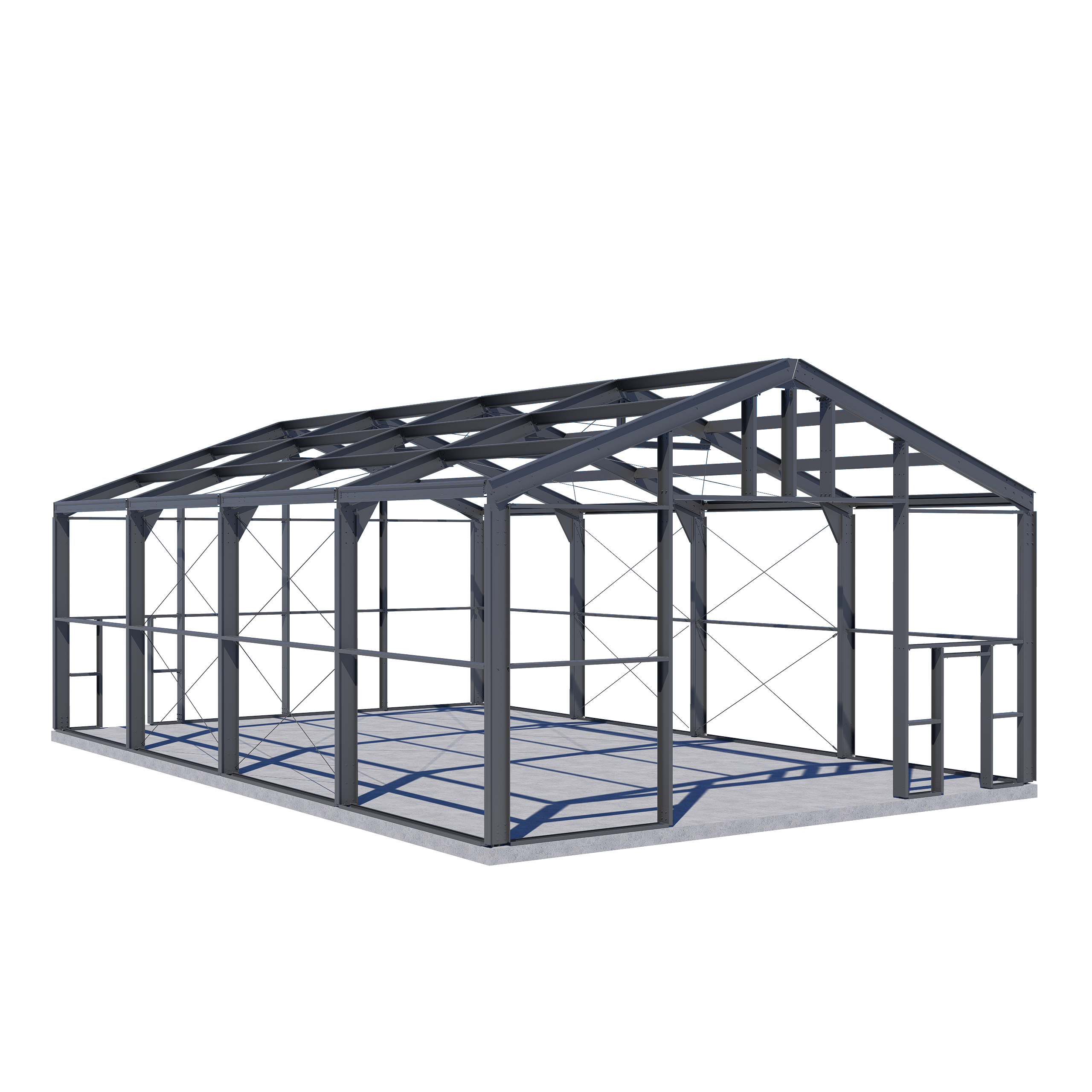
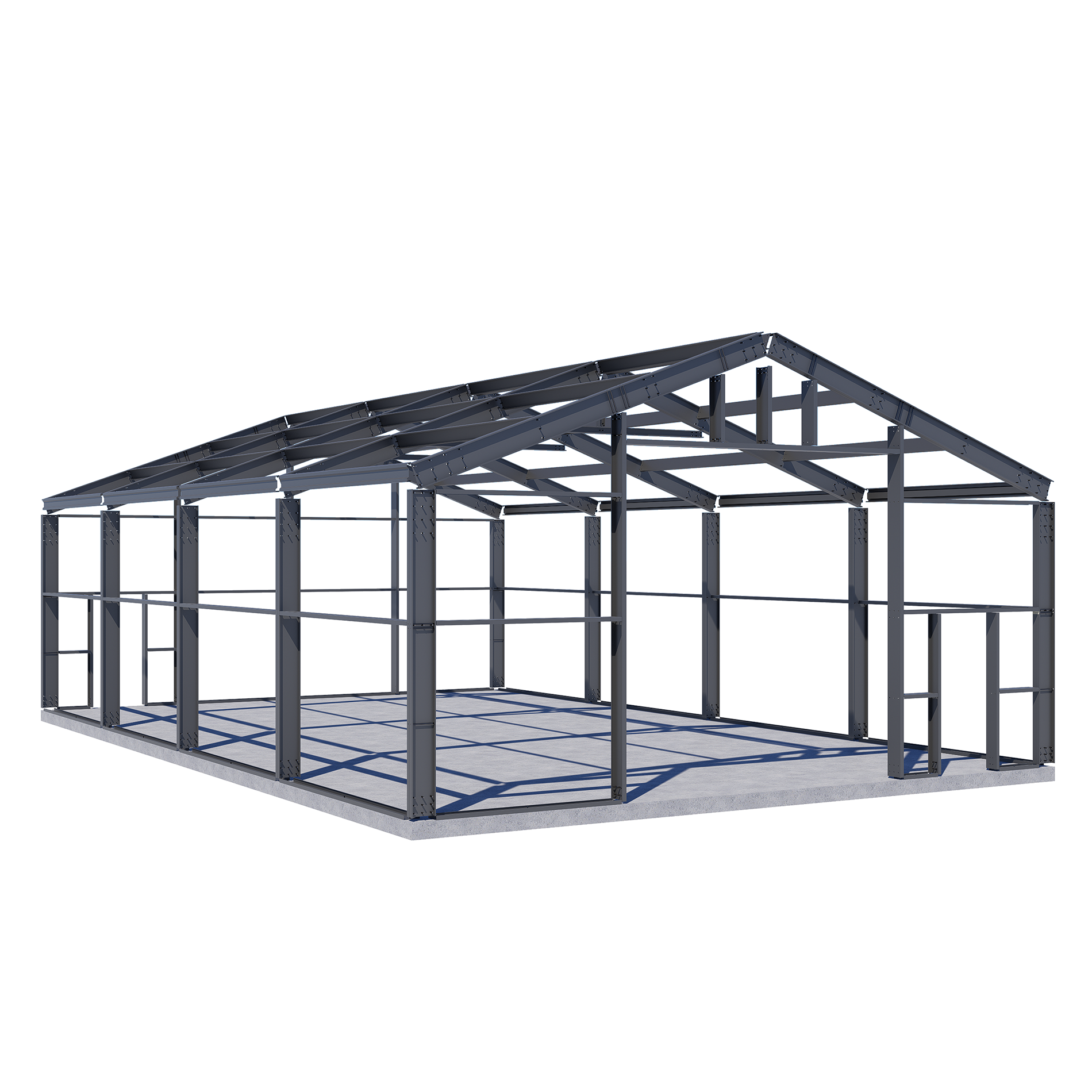
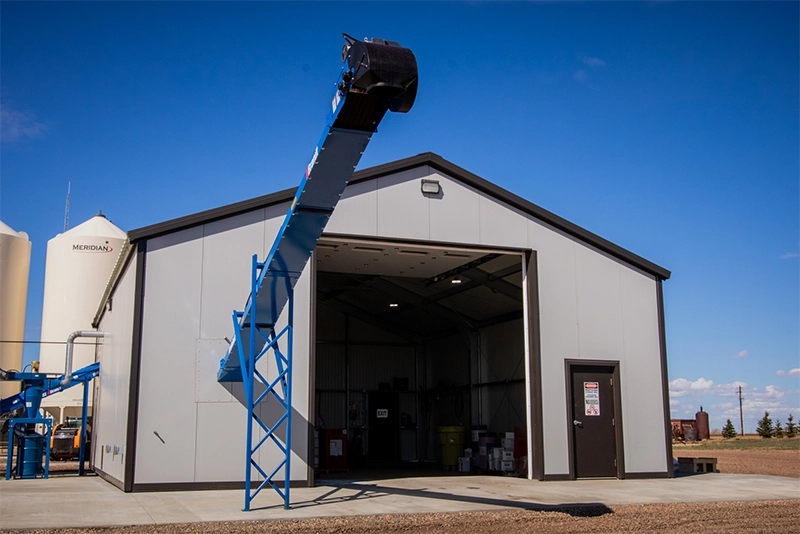
When snow starts to melt and the ground turns slushy, we know that spring is on its way. But with those changes come problems for buildings, especially if the walls aren’t sealed up the right way. Water can sneak in, cold air lingers, and over time, the damage adds up. One smart step we can take before all that happens is installing exterior wall cladding while the weather still gives us time. This extra layer on the outside does more than just look good. It helps keep out moisture, shields against early spring shifts, and makes buildings ready to face the change in weather. Getting ahead of the melt means we’re not rushing to fix problems when it’s already too wet to work outside.
The Trouble with the Spring Melt in Canada
Once winter starts to ease off, the snow doesn’t just disappear all at once. It melts slowly, sometimes over weeks, and all that water has to go somewhere. In many parts of Canada, the ground is still frozen solid underneath, so melting snow piles up where it can’t drain properly. That water builds up along building edges, seeps near foundations, and creeps into wall joints that aren’t protected.
Without the right protection, freeze-thaw cycles can take a serious toll on exterior walls. Cold overnight temperatures refreeze puddled water, then daytime sun melts it again, which makes materials crack or shift. If wall gaps or seams aren’t sealed tight, even a little moisture can sneak into insulation or wall cavities.
This is why early spring is tough on buildings. It’s too warm for snow to stay frozen, but not warm enough for the ground to dry out. Any siding or cladding that’s already worn or damaged can become an easy entry point for that water.
What Wall Cladding Does for Your Building
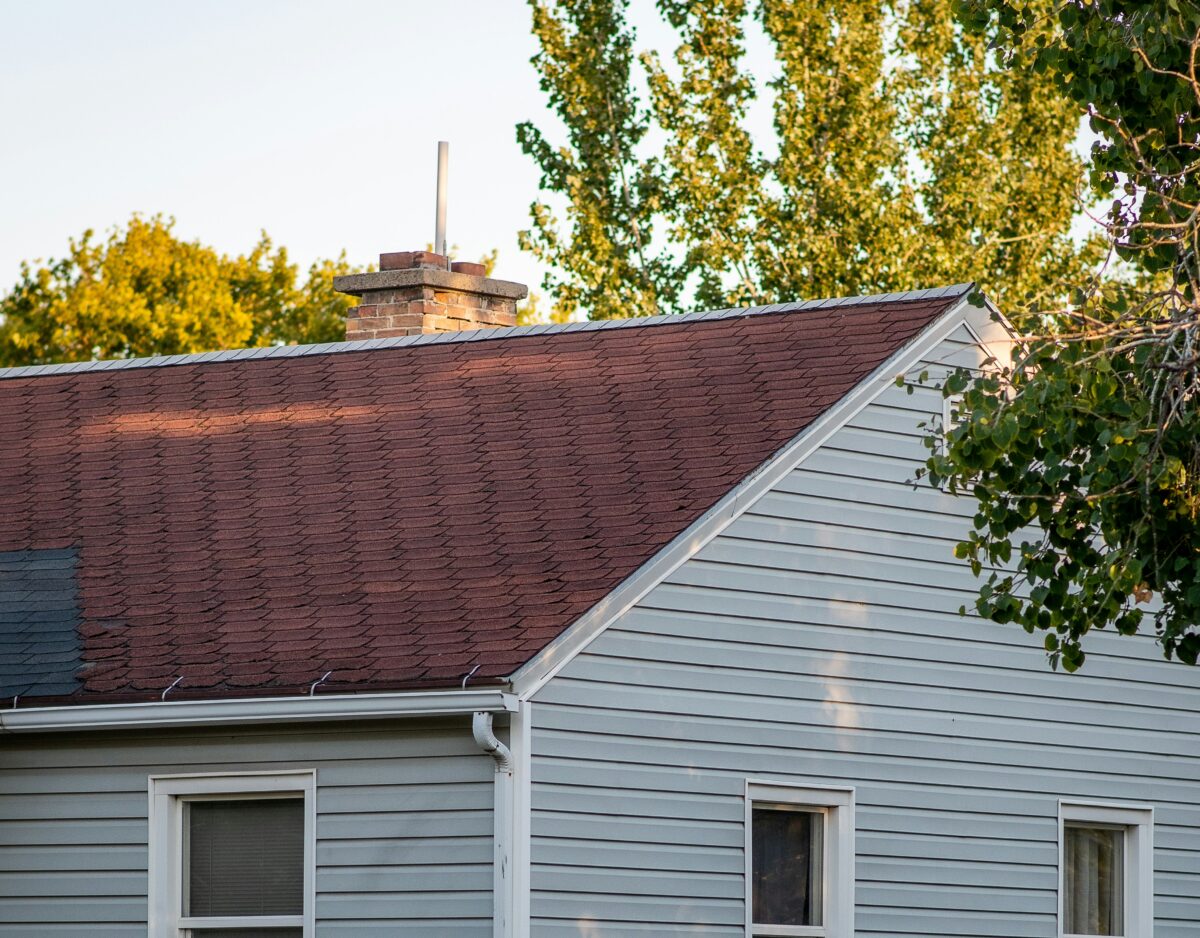
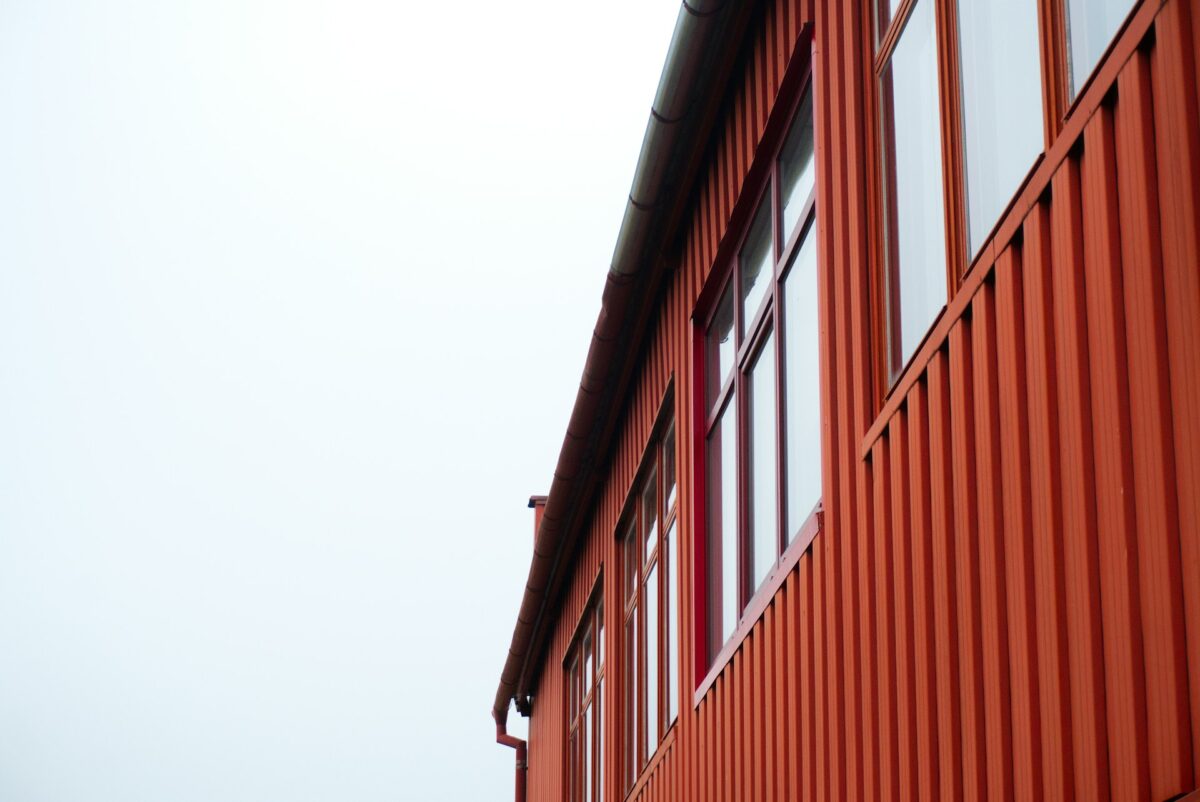
Wall cladding acts like a shield. It gives buildings an extra layer of protection that takes the hit when the weather becomes unpredictable. In the early months of the year, that’s a big deal. As snow melts and temperatures flip back and forth, we rely on good cladding to help keep things stable inside.
Cladding helps to:
• Keep water from soaking into exterior walls
• Block wind and cold air from slipping through gaps or cracks
• Slow down temperature changes inside by blocking heat loss
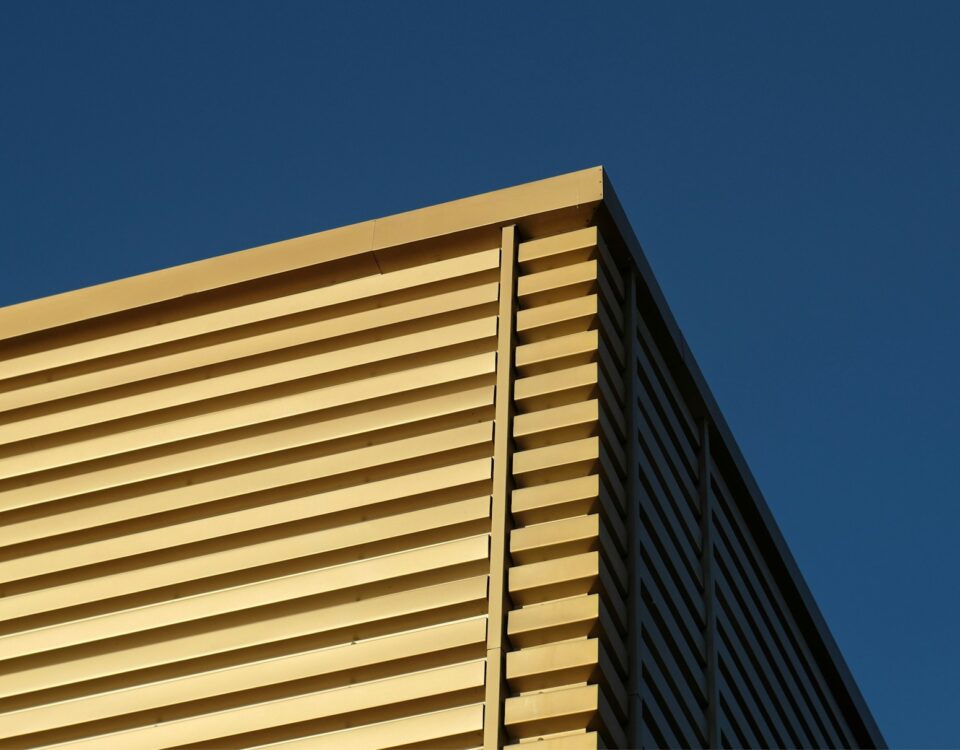
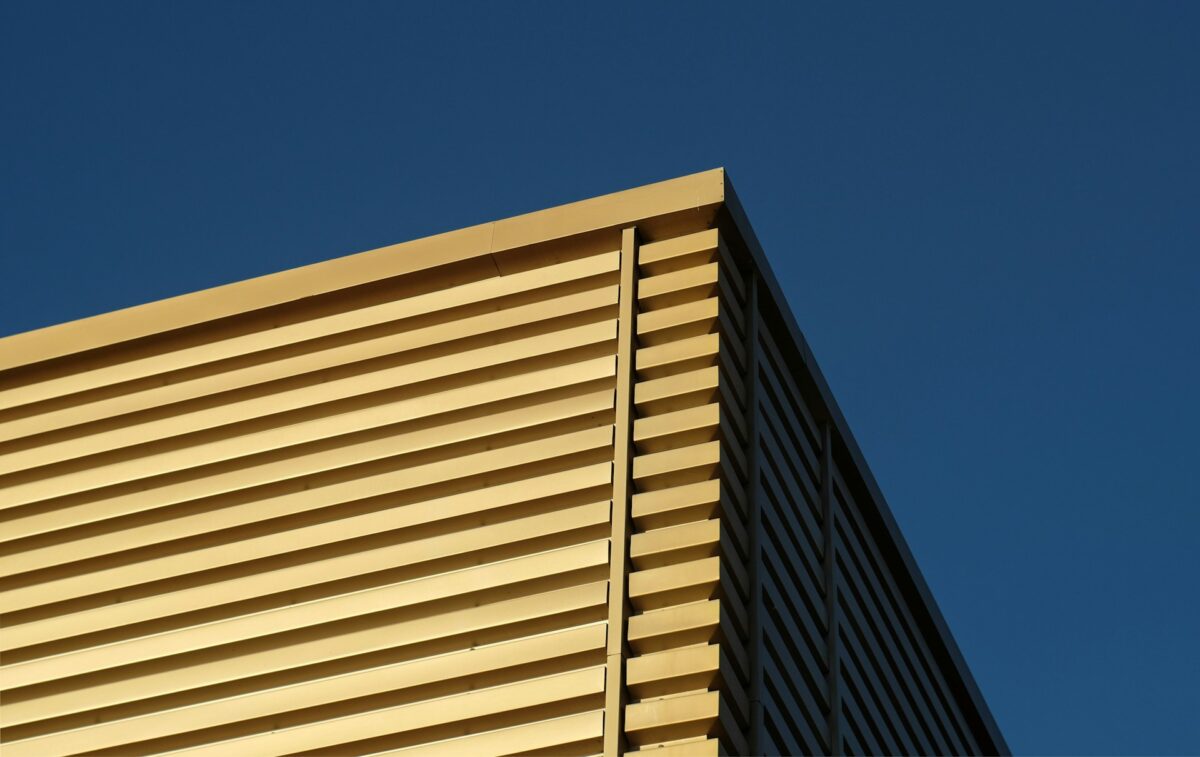
There are plenty of materials used for cladding, like steel, aluminum, or insulated panels. What matters is picking one that fits the season and use of the building. Some options handle wet conditions better. Others are stronger against ice and temperature shifts. The main thing is that quality cladding seals things up and holds its own through early spring challenges.
Why Winter’s End Is the Right Time to Install
Waiting until everything thaws might seem like the easy choice, but late winter is often the better window for doing this kind of work. Days are getting longer, sunshine lasts a little more, and temperatures don’t swing quite as hard as mid-winter. That gives us the time to prep surfaces, apply materials, and do the work without dodging deep snow or dealing with harsh windchill.
Installing cladding before the full spring melt means snow hasn’t turned to puddles yet around the base of the building. That timing makes it easier to seal up corners, edges, and lower wall areas before moisture has a chance to settle in. Once we get into full spring, we see more delays due to wet ground and stretched schedules. Repairs and improvements take longer to finish, especially when walls are already wet or damaged by early melt.
Getting this done while the pace of winter is slowing down saves time later. It gives buildings a better shot at making it through April and into summer without surprises.
Preparing Your Site and Structure for Cladding
Before cladding goes up, there are a few things we like to check. A solid start helps the final result last longer and stand up better to rough weather later on. Even something as simple as leftover snow or pooled water next to a wall can cause hassle.
We always recommend:
• Clearing snow buildup from the base of the building to see how the walls are holding up
• Checking for any old siding or panels that have cracks, bends, or gaps
• Making sure water is draining away from the structure, not pooling near the walls
Some buildings may need small fixes first, like cleaning off surface grime or filling in where insulation has broken down. These details set up a smoother cladding job, especially when we want the materials to stay tight and dry once they’re mounted. Working with qualified installers makes this part much easier. Missed steps can lead to water sitting behind panels or seals that don’t hold up through spring.
Built to Handle the Seasons Ahead
As we shift from deep winter into the messy mix of spring conditions, the buildings we rely on need to stay strong through it all. That’s where exterior wall cladding really proves its worth. It holds in warmth, keeps out the wet, and adds the kind of support buildings need to make it through heavy rains or leftover snowbanks.
Putting time into this upgrade before spring fully hits gives us more control over the season ahead. We dodge leaks, prevent drafts, and avoid repair work that’s harder to schedule when demand picks up across Canada. A simple prep in March means fewer issues in April and beyond. Planning now lets buildings carry on working their best when the weather outside won’t sit still.
At Dutech Structures, we understand how quickly buildings in Canada can run into moisture issues once the snow starts to melt. Adding an extra layer like exterior wall cladding helps keep things dry and sealed as the early spring weather shifts. It’s not just about stopping leaks in the moment, it’s about ensuring your walls hold up for years to come. To protect your structure before the ground softens or problems arise, reach out to us today.