


Spring in Canada brings quick changes in the weather. One morning starts out below freezing, and by lunchtime, the sun’s out and temperatures jump. Those swings can be tough on buildings. Walls and roofs have to handle both chilly winds and sudden warmth, sometimes all within the same day.
These shifts aren’t just a comfort issue. They can stress the structure, cause drafts, or bring in moisture where it shouldn’t be. That’s where insulated metal panels in Canada really come into play. By helping buildings stay warm when it’s cold and cool when it’s hot, they offer support during this unpredictable season. Spring is when we see what kind of building envelope can really stand up to the weather.
Spring Weather Challenges Faced by Canadian Buildings
Spring doesn’t arrive in Canada all at once. In many places, it’s messy. One moment the snow’s melting, the next it’s snowing again, and somewhere in between we get cold rains and muddy ground. For buildings, all that bouncing between wet and dry, cold and warm, creates problems that need to be solved quickly.
These conditions can:
- Make materials expand and contract, leading to cracks or gaps
- Cause warm indoor air to hit cold exterior walls and start condensation
- Wear down siding, flashing, and joints, especially near the roof and foundation
If a structure isn’t well-insulated or sealed up tight, it struggles. Air leaks lower energy performance. Moisture can work its way inside and sit unseen behind wall surfaces, building up over time. These issues may not cause failure right away, but they add up and start to show later in the year.
Windows and doors are common trouble spots, as well as joints where different materials meet. The change from winter to spring is hard on these areas. If the envelope of a building isn’t strong, it will start to show drafty spots, and you may find new water stains or soft sections in the walls. These are all signs that the building needs better protection to keep up with the demands of spring.
How Insulated Panels Help Manage Temperature Swings
One of the biggest strengths of insulated metal panels is their ability to slow down how fast outside air affects the inside of a building. The layers work together to take the edge off spring’s rapid changes and keep conditions steady.
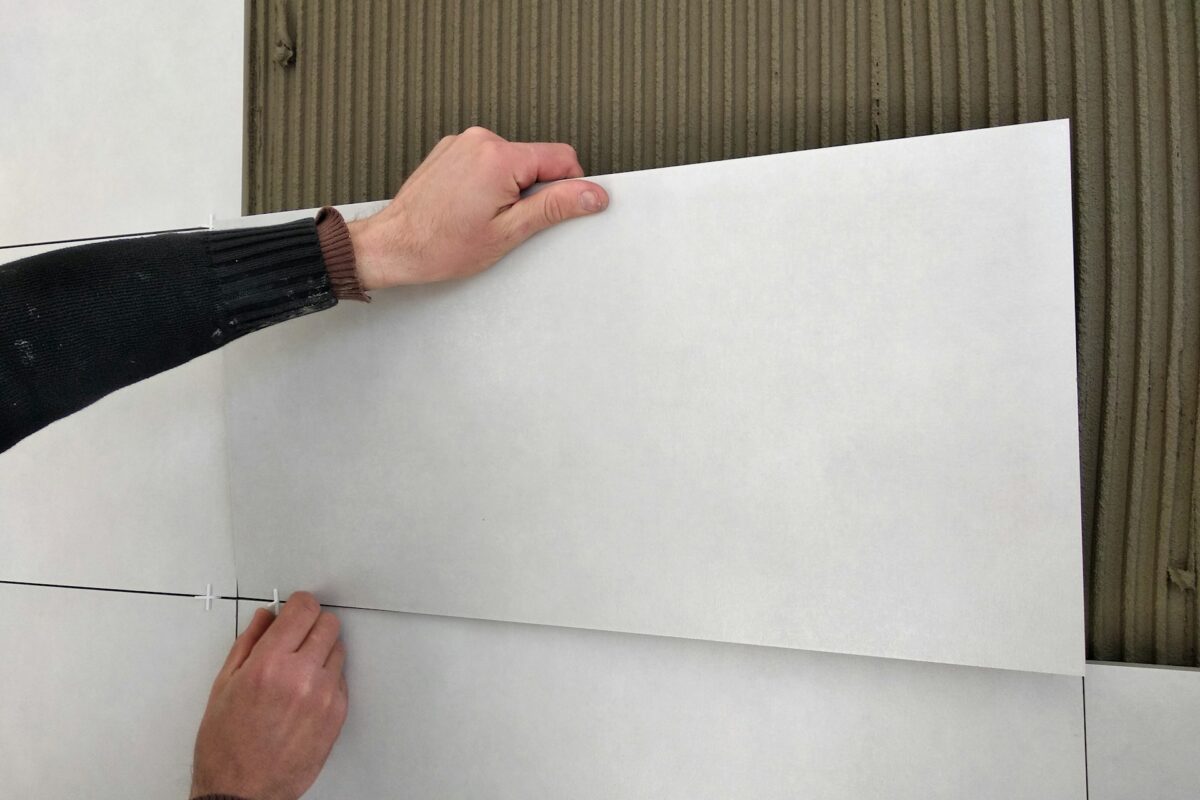
Each panel includes a solid foam core locked between two metal sheets. That foam doesn’t just trap heat inside when it’s cold, it also stops exterior heat from rushing in during warm spells. When installed properly, the connection between panels stays tight, so there’s no easy path for thermal transfer.
These panels help:
- Keep interior spaces more even and steady in temperature
- Block out cold air before it can move into wall cavities
- Prevent heat from escaping too quickly during cool, windy mornings
This makes a real difference during springtime when temperatures change throughout the day. Buildings stay more comfortable, and we avoid overworking HVAC systems to keep up.
A steady interior temperature means fewer callbacks to fix comfort issues and can prevent people or equipment from getting too cold or hot. By reducing temperature swings inside, insulated metal panels protect more than just the building’s envelope, they also help keep everything inside safe from stress. This is especially important for spaces used for storage, workshops, or offices where temperature control matters for both people and items.
Moisture Control and Energy Performance in Spring
Spring doesn’t just bring temperature swings. It brings water. Between snow melt and steady rainfall, exterior walls see more moisture contact than any other time of year. If that water finds its way into building materials, it can sit, freeze, or drip its way inside.
Insulated metal panels are a good barrier against this. The outer metal layers repel water, and the joints between each panel, when properly pressed and sealed, leave little to no room for water to work in.
Their design helps:
- Keep insulation dry, which is more effective than wet materials
- Prevent moisture buildup that can lead to mold, rot, or corrosion
- Lower the amount of energy lost through saturated or poorly sealed walls
With good panel systems in place, buildings stay drier. That keeps energy costs more stable, even when it feels like the weather can’t make up its mind. When panels and edges stay tight, we can count on them to hold their performance from one season to the next.
Another benefit is that keeping insulation dry means it will last longer. Wet insulation can lose its ability to perform well, and over time, that can mean higher heating and cooling bills. The moisture resistance of insulated metal panels keeps the inside of wall cavities in better shape year after year.
Why Spring Is a Good Time to Plan for Panel Installation or Upgrades
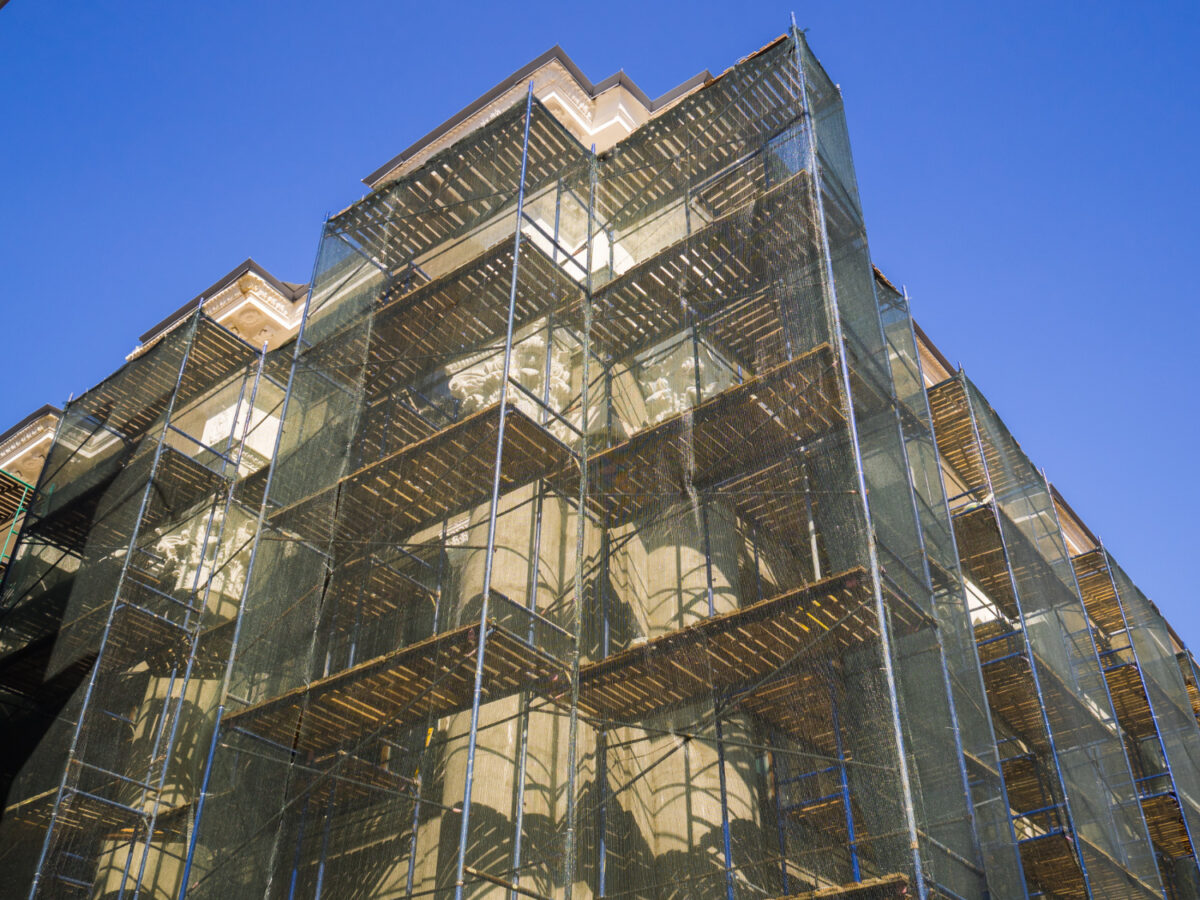
Busy as spring may be, it’s often the best time to check on how buildings are holding up after winter. Snow may still be melting, but it hasn’t soaked the ground entirely yet. That short window offers a chance to repair or upgrade exterior walls before more rain hits.
Here’s why spring makes sense:
- We can catch early signs of leaks or wall damage before they spread
- It’s easier to get ahead of long repair wait times later in the season
- Materials and spaces tend to dry faster before the heavy rains start
If the building already has panels, now’s also a smart time to walk through and look for any shifting, joint separation, or visible wear. Quick checks now may stop more costly repairs once summer humidity sets in or next winter brings strong winds again.
Spring is also when contractors are getting back to outside work after winter. That means it can be easier to plan and schedule projects to improve building exteriors. By getting ahead of these jobs before demand spikes, building owners and managers can stay ahead of big repairs or replacements and help buildings run better through the rest of the year.
Thorough inspection in spring is about more than just looking for damage. It’s a chance to make sure everything is sealed up the way it should be. When you make panel adjustments or improvements at this time, the building is ready for every season ahead, not just the current one.
Built for Spring and Beyond
Buildings across Canada deal with a lot during spring. From cold gusts to sudden thaws, it’s a season of change. Insulated metal panels in Canada give buildings a strong base to handle those swings without stress, loss of comfort, or damage to wall systems.
When spring shows up early or late, having a steady, sealed enclosure keeps things running smoothly inside. By planning ahead and thinking through wall performance now, we get a better chance at avoiding problems when the weather shifts again. Investing time and attention in spring can carry buildings strong into summer, fall, and the colder seasons still to come.
Well-built structures in Canada depend on more than just a tough outer layer. Interior comfort, energy efficiency, and peace of mind all start with choosing the right materials. For many, insulated metal panels help achieve that balance, offering both resistance to moisture and steady thermal performance.
Knowing what kind of panel or wall system works best in your part of the country helps guide future upgrades or repairs. Spring is the perfect time to think about how your building handles shifts in weather and upgrade where it counts. If you’ve experienced any leaks, cold spots, or heat loss, taking a closer look at existing panels or considering better insulation can make a difference for every season that follows.
At Dutech Structures, we focus on building systems that perform reliably through unpredictable seasons. Spring often brings challenges for walls, roofs, and seams, but using the right materials is key to durability. That’s why so many building owners choose insulated metal panels in Canada to manage moisture, temperature changes, and energy efficiency. Whether you’re planning upgrades or looking into spring maintenance, our team is ready to help you with your next steps.