

As winter fades and early spring rolls through most of Canada, the weather begins to shift quickly. Snow starts to melt, days get warmer, and a lot more water ends up around our buildings. This is usually when small leaks start to appear, the kind that weren’t obvious in the cold months.
One day it’s sunny, the next it rains, and before long the moisture finds its way into places it doesn’t belong. That’s where insulation cladding helps. It adds a layer of protection that keeps spring leaks from sneaking in during the most common time of year for trouble. When done properly, it holds heat inside and locks out the damp. Let’s break down how it works and why it matters even before the true warmth of spring sets in.
Why Leaks Are Common in Early Spring
Spring in Canada doesn’t usually arrive all at once. It’s stop-and-go. That back-and-forth weather puts a lot of pressure on building materials.
- Freeze-thaw cycles are hard on joints, roofing, and wall panels. Things expand and shrink as the temperature changes, which causes cracks and gaps to form.
- Rain from passing storms mixes with leftover snow. It all ends up around your building’s base, on its roof, or pressed into sidings.
- Small cracks turn into bigger leaks once water collects and stays trapped near them. What stayed dry in colder temperatures might not stay dry in a stretch of wet days.
This is why a lot of leaks show up in late March or early April. The moisture arrives quickly and settles in. Without a way to keep it out or block it, it finds even the smallest opening. That leads to warped flooring, damaged insulation inside the structure, or wet supplies.
What Insulation Cladding Actually Does
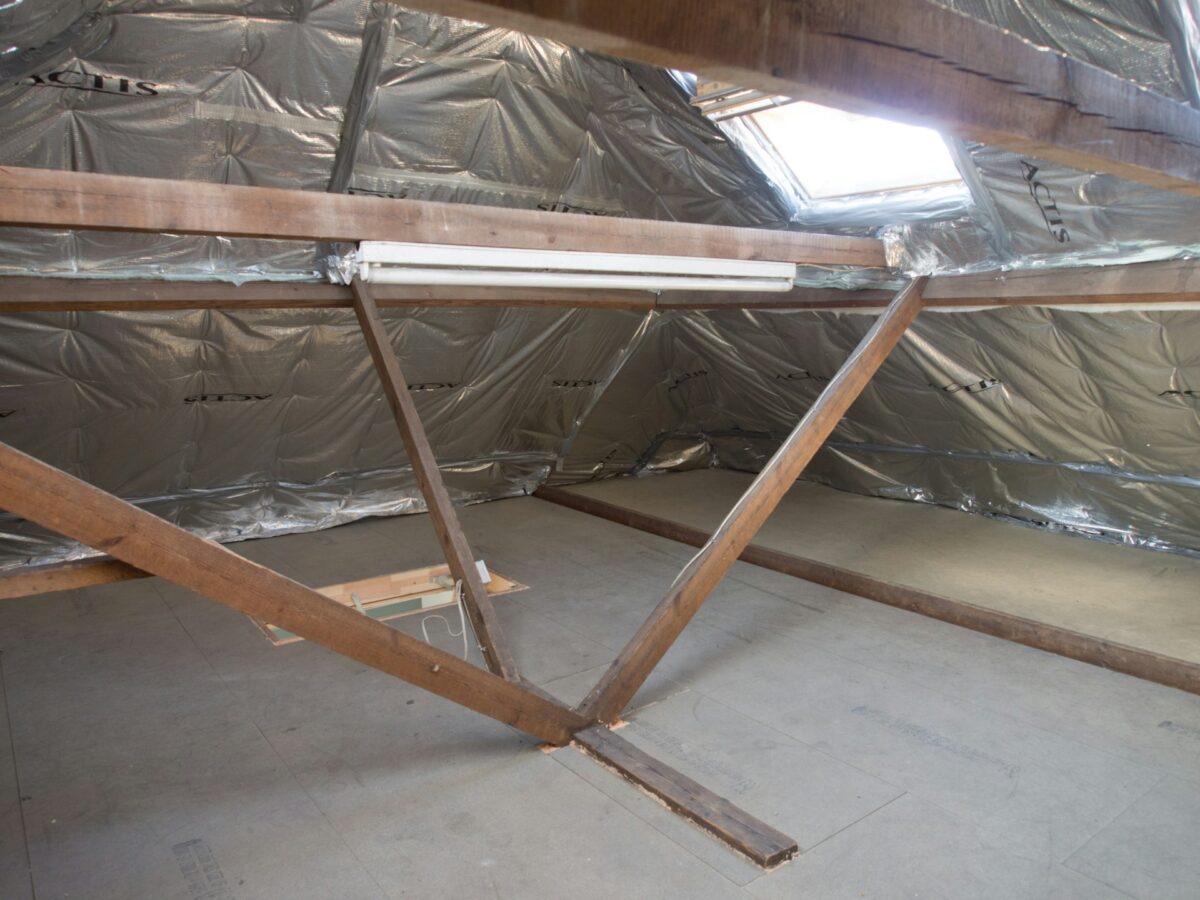
Insulation cladding might sound like something that only matters in deep winter, but it does a whole lot in early spring too. It’s more than just a layer to keep warm air inside.
- It blocks moisture from getting through walls and ceilings, which helps stop leaks at the source.
- It keeps the inside of the building more stable, especially when the outdoor air is cold in the morning and warm by mid-afternoon. That kind of swing often leads to condensation.
- It helps prevent early leaks by sealing areas that tend to shift or break slightly as the weather changes. That includes corners and base panels.
The trick is consistency. Buildings that are wrapped up tight don’t let in the same damp air that causes headaches for weeks on end. That’s especially helpful in March when snowmelt still collects at the base of most structures before the ground fully dries out.
Common Areas Where Leaks Start Without Cladding
Most early leaks don’t come from giant gaps. They come from places that look fine until you look closely, areas that see more pressure when meltwater sticks around.
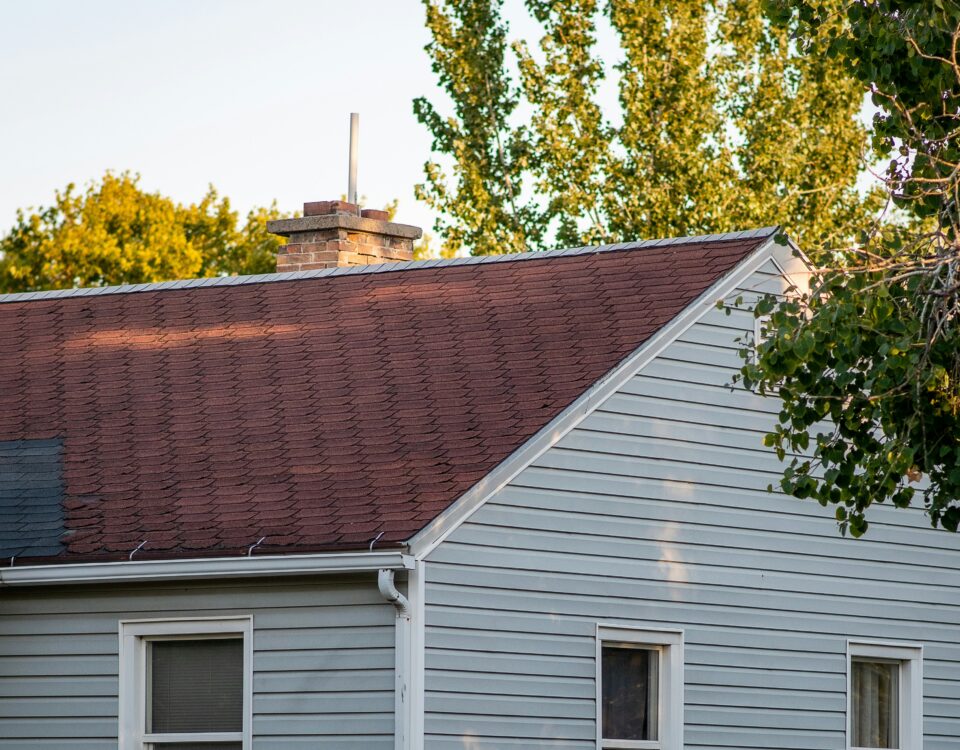
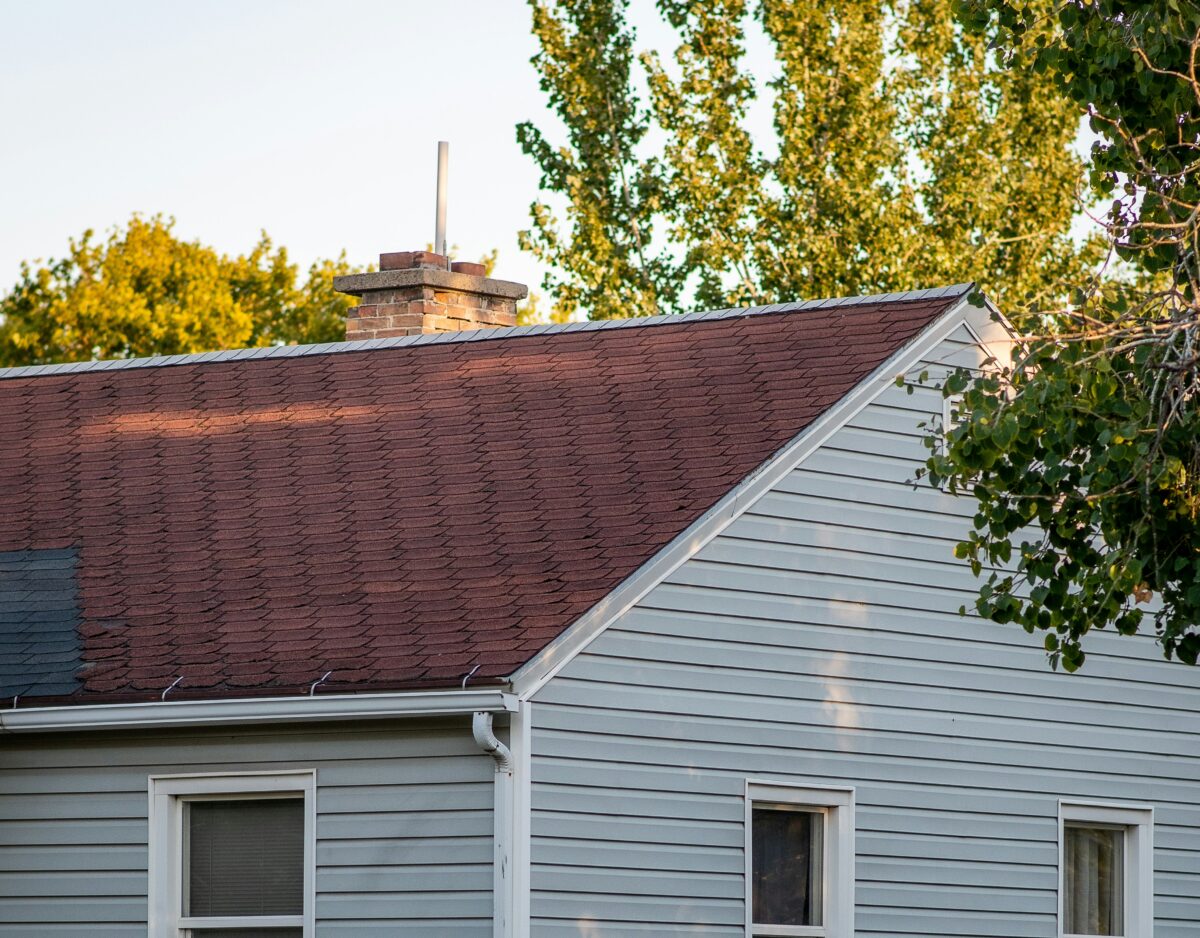
- Roof panels that had snow on them for months may now reveal swollen seams or hairline cracks. Melted snow has a way of finding those fast.
- Corners and wall edges start to shift as the frozen ground softens. Movement in the base or the frame can easily open up spaces that used to be sealed.
- Lower wall panels get hit the hardest. Snow stacked outside melts straight into the sides of the building, and if the water has nowhere to go, it pushes inward.
These weak points are often ignored until they cause real problems. With daily melt, followed by cold nights, the temperature swings will keep working on areas like this until leaks become obvious on the inside.
Why Timing Matters for Installing or Checking Cladding
Catching small problems before they grow is easier than fixing them afterward. That’s why late winter and early spring matter more than most people think.
- March is when things warm up fast during the day but drop back down overnight. That’s hard on unsealed siding or panels.
- As snow piles melt more quickly, water has to go somewhere, and often it ends up stuck right along the base. That moisture can sit for days if drainage is poor.
- If we wait too long, those puddles turn into soaked insulation, warped materials, or worse, a steady leak that doesn’t stop once the real spring rains begin.
Having a setup that includes insulation cladding means we’re better prepared before all that starts. If we check for problem spots early and make sure things are sealed well, it’s much easier to stay dry once the snow is mostly gone and the spring storms pick up speed.
Getting Ahead of Spring Weather with the Right Setup
The goal isn’t just to stay dry this week. It’s to keep everything protected through the whole season. Installing the right cladding or checking what’s already there gives us a better shot at that.
- Insulation cladding keeps indoor air more stable. We don’t deal with the warm-inside, cold-outside cycle that leads to wall condensation.
- Less moisture inside means we spend less time drying things out or replacing materials that were damaged before we noticed.
- A properly sealed space gives us a stronger barrier before the ground gets muddy and the real growing season starts. Tools, feed, and supplies stay usable, and the structure holds up longer.
This time of year is unpredictable. One week might be full of sun, while the next hits hard with heavy rain. Having solid insulation in place helps us ride out the edge of winter instead of scrambling every time the forecast changes.
Stay Dry and Protected Long After the Snow Melts
This part of the season often slips by quickly. But right now, between the deep cold of winter and the steady warmth of late spring, is when many of the real problems start. Ice loosens panels, water pools after snowpack disappears, and leaks show up in spots that were fine just weeks ago.
Insulation cladding helps stop those leaks before they spread. It gives every part of the building a better shot at holding up as the last stretch of cold weather turns into something softer but still wet. With the right materials in place early, we’re set up to get through spring without surprise repairs or soggy gear slowing us down.
Spring in Canada can push your building to its limits, so it makes sense to take a closer look at your space as temperatures and moisture rise. Adding the right layers does more than provide warmth, it keeps unwanted dampness at bay. We offer smart solutions designed to handle shifting seasons, especially with protective materials like insulation cladding. At Dutech Structures, we make sure your property stays dry and reliable as the weather changes. Give us a call to start your upgrade.