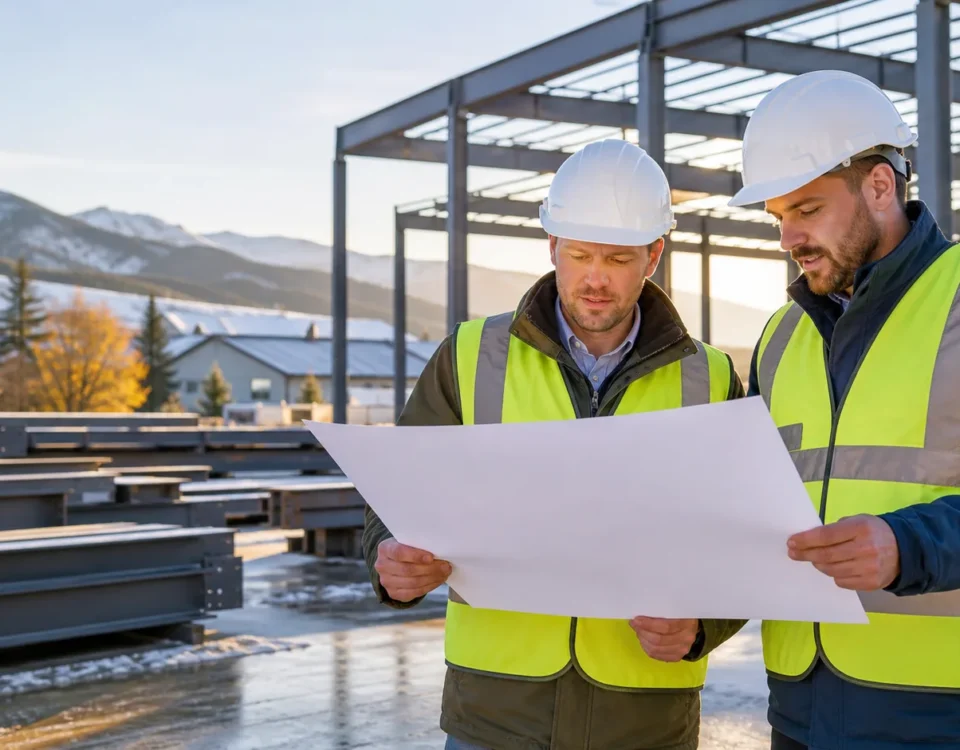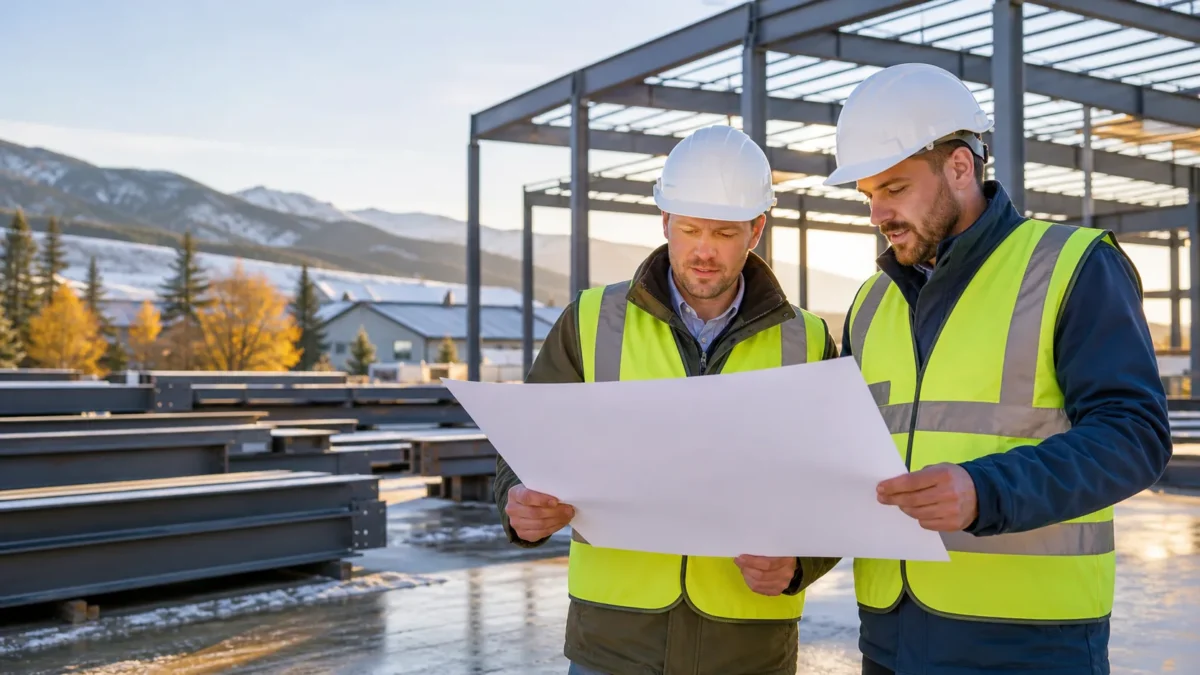


Spring is a busy time in Canada, and for good reason. After a long winter, it finally feels possible to start outdoor projects again. When it comes to building, especially in rural or open areas, this is the perfect time to get things moving. The ground starts to shift, the temperature gets easier to work in, and schedules haven’t filled up yet.
That’s why many builders and property owners look to steel structures for their spring projects. They handle temperature swings well, go up quickly, and don’t struggle with wet or muddy conditions like some other building types. Getting started now can save time and make sure the structure is in shape before the next season rolls in.
Built for Quick Changes in Weather
Spring isn’t known for its steady weather. In Canada, one day can start frosty and end with rain. Winds pick up. Mud shows up fast. Materials need to hold strong against all kinds of conditions, often within the same week.
Steel keeps its shape through all of this:
- It doesn’t bend or sag when it’s damp
- It won’t swell from moisture or shrink when things dry out
- Steel panels don’t peel or break down in wind or sun
Starting a project now means that the building can be ready before summer heat ramps up. It also avoids the delay that comes with storm season later in the year. Since spring brings so many weather shifts, it’s a good test for how a structure will handle months of change, and steel does that well.
Spring is also the time when snow melts quickly, and drainage around a new building can be a concern. Because steel frames are precise and tight, there’s less chance of puddles making their way into joints or low spots. Unlike wood frames, which can soak up water and become misshapen, steel parts hold their form even after being exposed to wet conditions. That keeps doors fitting square and walls straight, no matter if it’s raining all week.
Easier Builds When the Ground Softens
With winter behind us, the frozen ground starts to thaw. That makes it much easier to start groundwork like foundations or concrete pads. It’s a short window, but it’s a good one. The soil isn’t too wet yet, and warmer days give crews longer stretches of good working time.
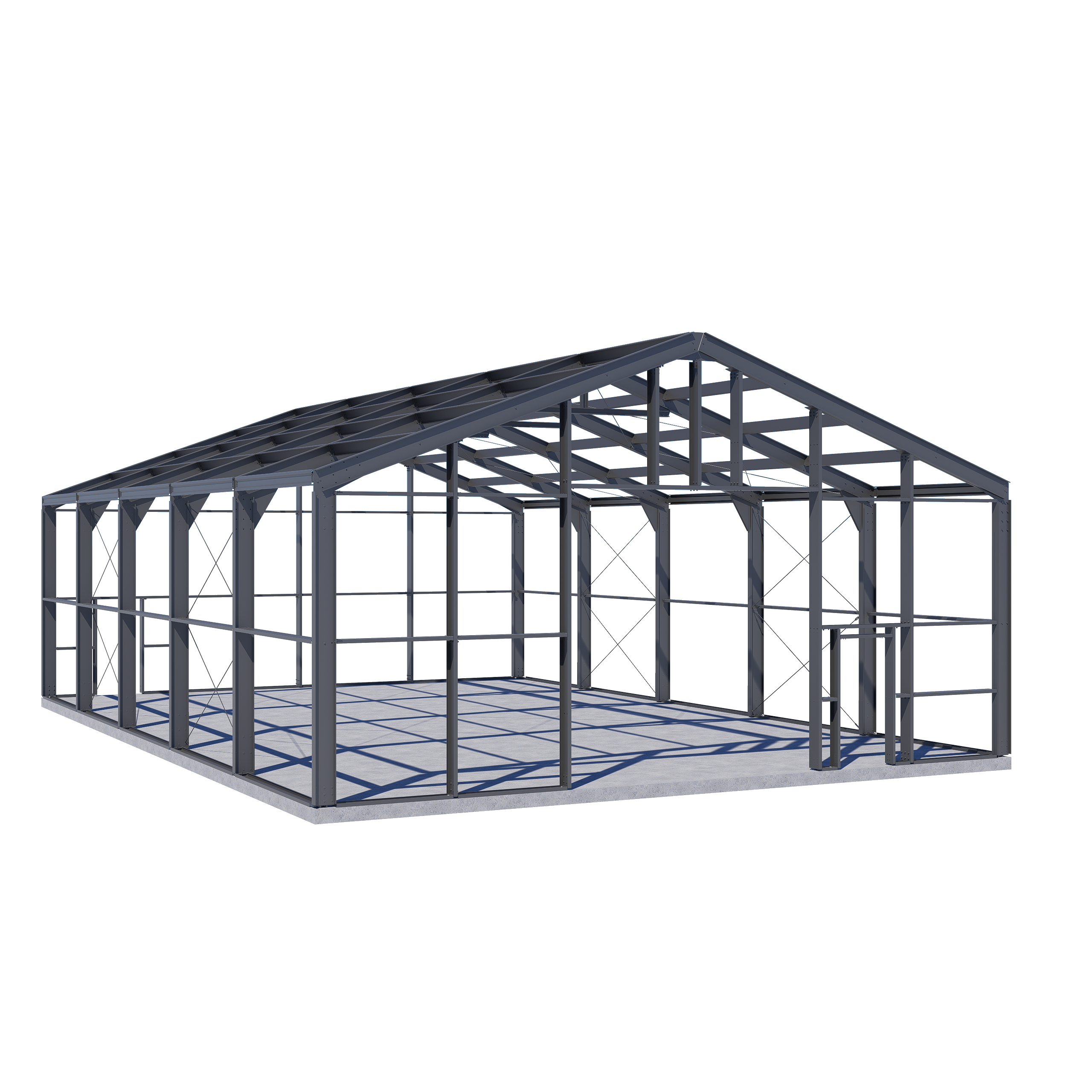
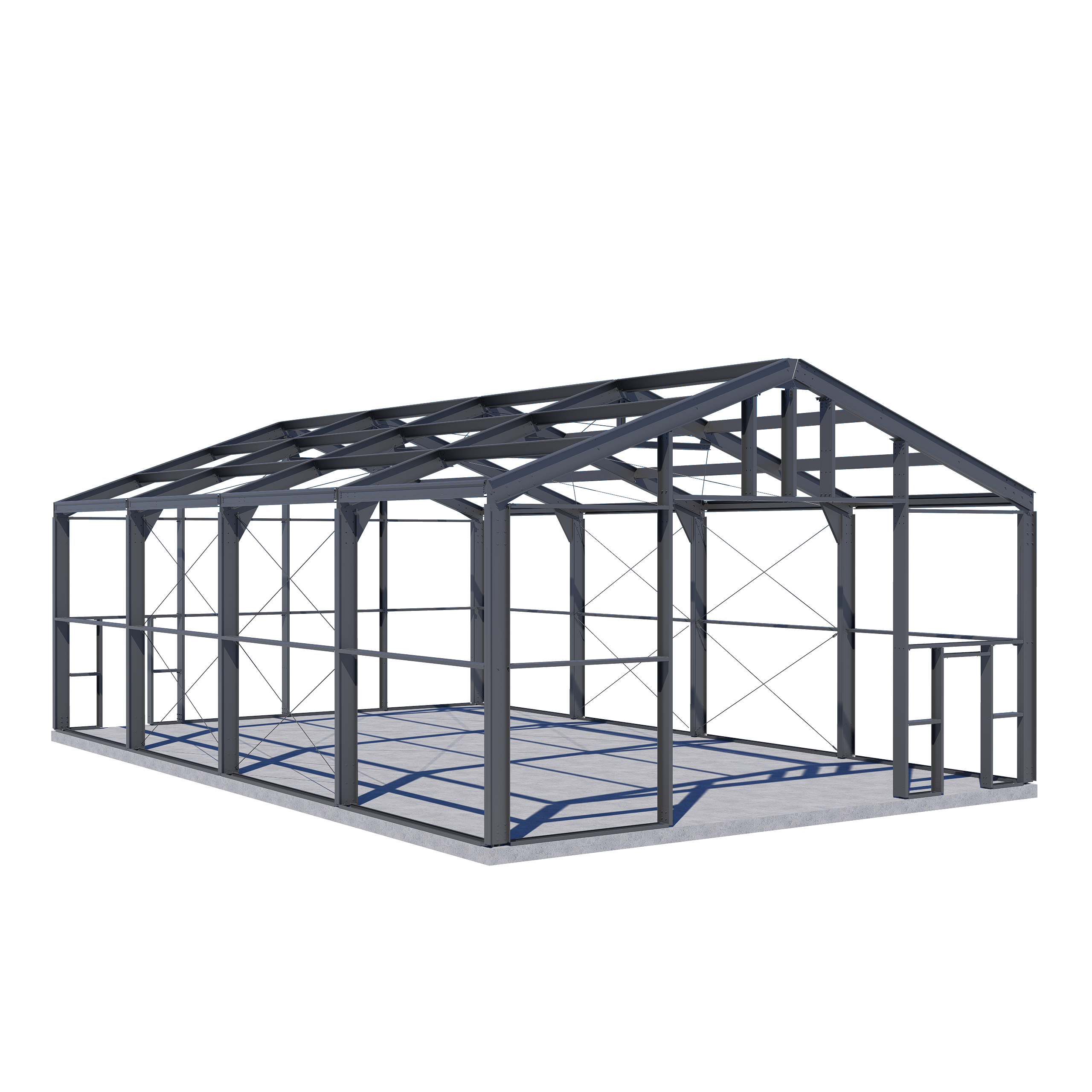
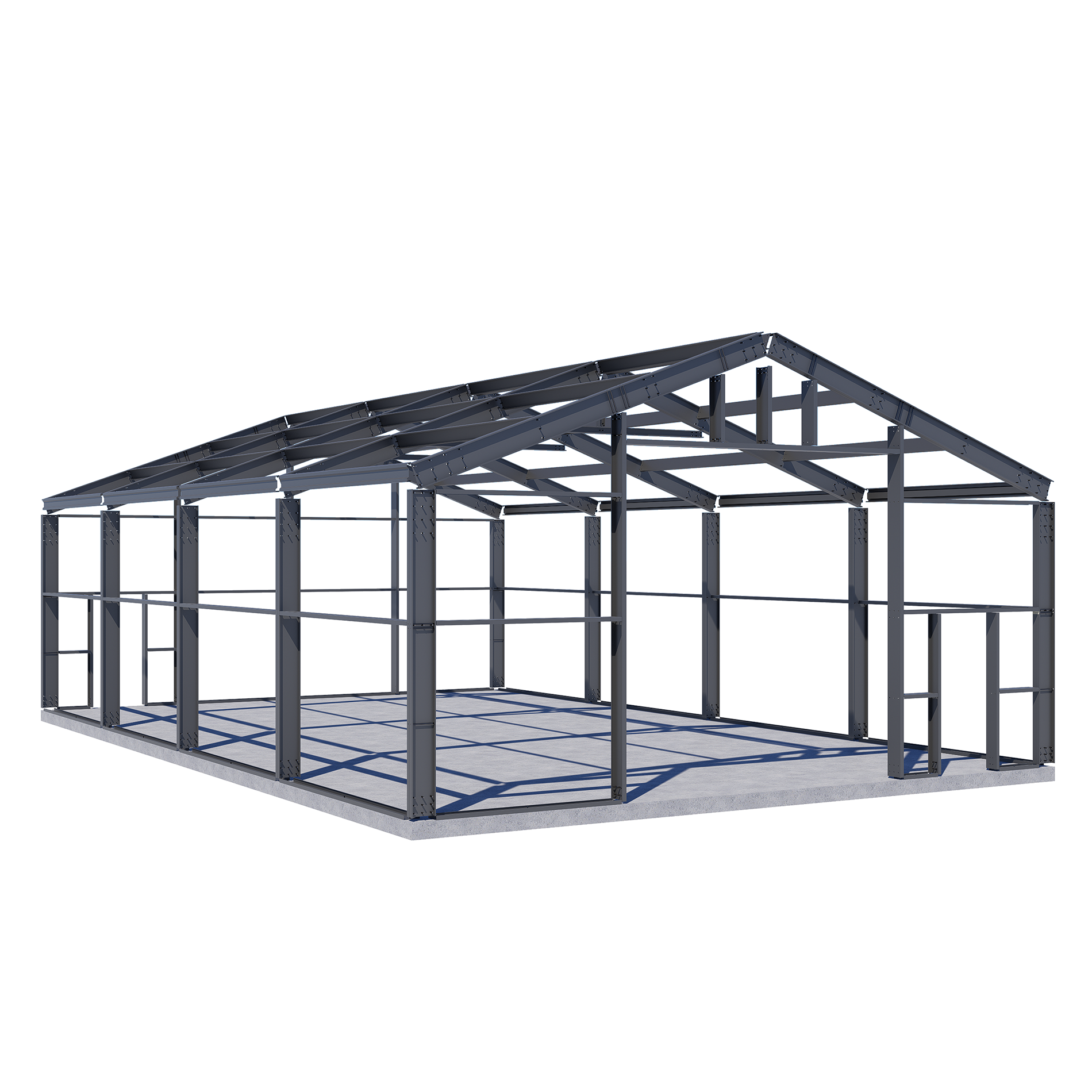
Steel structures are fast to put up, which makes spring an even better fit for them.
- The parts come together quickly, which keeps things moving
- Less wait time between steps reduces weather delays
- A full build can happen before bugs or heat start causing issues
By getting the work going early, we also beat the rush that often comes in early summer. Supplies and tools are easier to access, and crews still have room in their schedules. Planning a spring build means fewer hold-ups and smoother days on site.
Often, thawing ground also means less struggle for equipment. Trucks and heavy machines get better traction on soil that isn’t frozen rock solid. Prep crews have more time to check how level the base is, to dig or backfill if needed, and to avoid the muddiest stretches if it rains. This speeds construction and makes it safer for everyone who’s working on the build. Since steel building kits are organized and clearly labeled, it’s much easier to keep track of which pieces are needed first, and nothing sits out in the mud too long.
Low Maintenance Through Rain and Mud
Anyone who’s lived through a Canadian spring knows how dirty things can get. Between melting snow and weeks of drizzle, buildings need to deal with mud, wet air, and pooling water. This is where steel makes a clear difference.
- It doesn’t soak up water or need drying time
- Steel stays strong in damp conditions without warping
- There’s less chance of bugs, mould, or soft spots forming inside walls
This matters both during and after the build. When parts stay clean and stable, the inside of the structure stays tight and secure. That means less touch-up down the line. It also means less worry about stains, leaks, or wear when spring brings its usual mess.
A building that starts dry stays dry longer. Steel skips the slow-downs that often come with other materials once rain season hits full swing.
With fewer maintenance needs right after construction, spring-built steel structures are ready to serve their new role right away. Mud can splash or sit against the outer walls for days, but with steel, there’s no threat of rot or slow leaks. Rain slides right off, and cleaning the panels is simple, needing nothing more than a hose or a quick scrub if things get muddy. Pests and insects often look for damp, wooden framing at this time of year, but with steel, there’s little for bugs to burrow into, and the inside stays clear of spring’s common headaches.
A Great Time to Plan for Summer Use
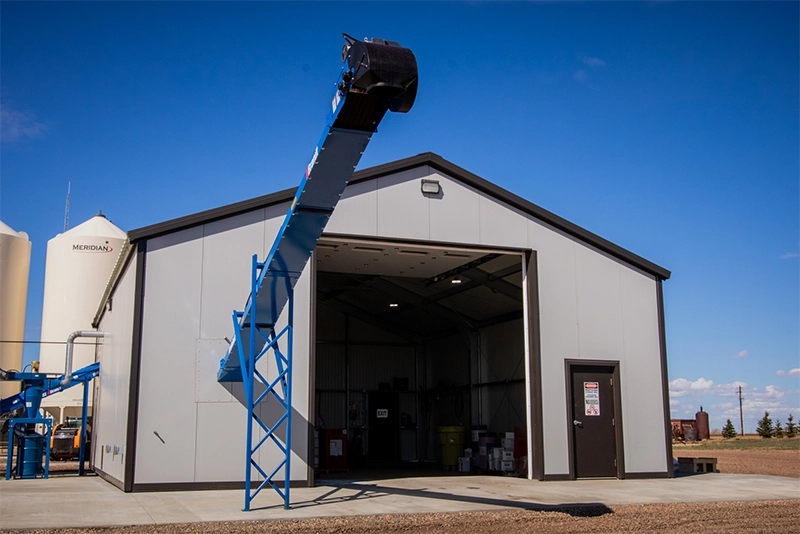
Spring is a perfect time to build something you plan to use in the warmer months ahead. Whether it’s for farming, storage, mechanical work, or tools, structures built in spring are often up and running before July.
Starting in early spring gives time for each step:
- Planning, ordering and setting up happen before delays hit in late spring
- Crews can take their time and still finish quickly
- Once it’s done, the space is ready for real use in growing and building seasons
We’ve found that a lot of builds started early in the year stay closer to their timelines. There’s less rescheduling, fewer weather days, and more time to make sure everything sets right. Picking steel makes sense here, since it’s quick to assemble and made to last.
Getting a head start with spring construction means you’re not rushed as summer gets busier. If the building is for hobbies, business, or just storage, it will be ready when you need it most. Any landscaping or finishing touches can happen in warm, dry weather, rather than racing against the early fall chill. Early planning also helps when ordering equipment or other supplies, as wait times are often shorter before the busy summer.
That speed helps us move past the setup phase and into actual use while the long days of summer are still ahead.
Strong Starts Lead to Smoother Seasons
This time of year, a good start can carry us through months of change. Steel is tough, and when installed early in the year, it keeps doing its job through heat, storms, and even the first frost of fall.
Planning ahead in spring helps avoid problems later:
- We don’t run into delays from long repair waits in midsummer
- Sites stay drier and cleaner because we beat the worst spring weather
- Everything is set before major storms or wind events later in the year
Starting strong gives us a better hold on schedule and safety. It also gives peace of mind that the structure is ready for whatever comes next. From downpours to dry winds, steel stands up and keeps the space inside calm and dry.
If we take action this season, we won’t be racing the clock when autumn rolls in or trying to patch problems once they’ve already begun. Building in spring gives us the best chance to move forward without backtracking.
It’s clear that getting a steel structure up in spring offers more than just convenience. It takes advantage of everything the season brings, milder weather, fewer bugs, and space on the calendar before the next rush. With the right materials and smart timing, each job can finish on schedule and set you up with a sturdy, secure space for years to come. If the forecast calls for change, you’ll already be ready.
At Dutech Structures, we understand that timing is critical for spring construction projects across Canada. When you want a new space that can handle wet conditions, fluctuating temperatures, and tight deadlines, many property owners turn to steel structures because they’re durable, quick to install, and built to last. Let’s connect and discuss how we can help you get your project started this season, reach out to us today.