Fall weather in Canada can kick in fast, and with it comes periods of heavy, steady rain. Those October storms can soak everything. If a building isn’t sealed up properly by then, water tends to find its way inside. Once it does, it’s hard to dry things out again before the cold sets in.
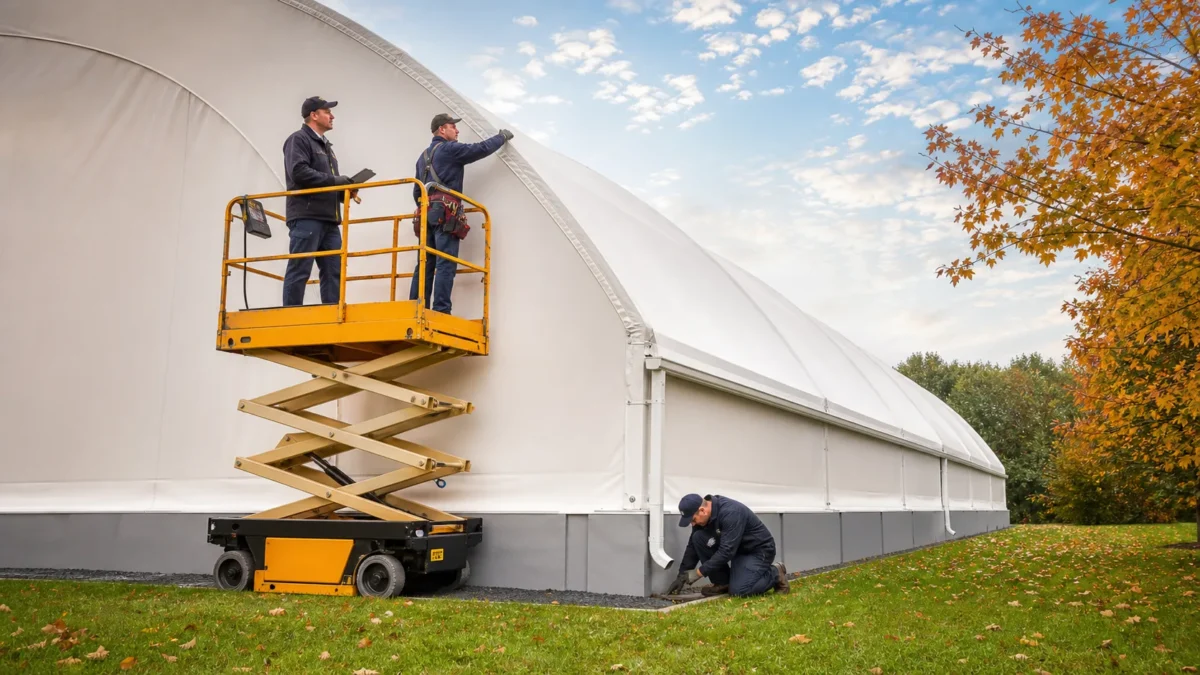
That’s why we focus on inspecting key parts of insulated structures before the wet season gets a head start. These buildings are great at holding heat and keeping out moisture, but they still need regular check-ins to stay that way. A quick look at a few areas in late September can help prevent leaks and long-term damage once the heavy rains start showing up.
Check the Seals Around Doors and Windows
The edges of doors and windows can loosen over time, especially in areas that have gone through summer heat followed by cooler nights. When that happens, the smallest gaps can lead to water sneaking inside.
- Look along doorframes and window panes for worn-out weather stripping, soft spots, or tiny cracks
- Push gently on each corner to feel for movement or slight drafts
- Seals that have been patched in the past should get a second check to confirm they haven’t shifted again
Even if the opening looks small, rain driven by wind can easily push through and cause damp spots indoors. It’s worth checking both inside and out, especially on the sides of the building that take on the strongest gusts.
If we wait until there’s standing water or fogged-up glass, we’re already too late. Getting ahead of seal problems makes it easier to manage indoor air and provides better support for interior insulation.
Inspect Roof and Wall Insulation for Gaps
When insulation gets wet, it stops doing what it’s supposed to. That’s a real problem heading into October when the nights get colder and we start turning on the heat.
- Start by checking rooftop join areas, edges near soffits, and spots around skylights or vents
- Look for signs of damage like shifting panels, sagging insulation, or patches that seem thinner than the rest
- Wall insulation near corners and under window frames can sometimes settle lower over time
Once water gets into insulation, it doesn’t dry out quickly. Then the space becomes harder to heat and more likely to develop musty smells or stains. We want to catch these soft spots before the season brings day-after-day of rain.
Good insulation helps lower heating strain as the seasons shift. With insulated structures, keeping materials dry and tight is one of the best ways to stay comfortable without energy waste.
Look Over Roof Overhangs and Drainage Paths
A big part of staying dry is making sure water runs where it’s supposed to. When it comes to roofs, even a small clog or dip can move water straight down the side of the building or right into it.
- Clear out leaves and twigs before they pile up and block the eavestroughs
- Scan roof edges to check that overhangs are solid and free of soft spots
- Watch for any pooling on ground-level surfaces where water isn’t being carried away properly
If rainwater flows back toward the walls instead of away from them, leaks become much more likely. Overhangs and properly sloped drainage routes work together to direct runoff and protect the siding.
In insulated buildings, water reaching wall seams or joints can damage the materials meant to trap heat. That’s why roof shape and where the water goes after it lands are more important than they sometimes look.
Check for Signs of Condensation Inside
As outdoor temperatures drop and indoor warmth rises, condensation starts to build, even when it hasn’t rained. That kind of drip damage is a slow mover, but it’s still a concern.
- Look for fogged windows, wet window sills, or dark corners with moisture patches
- Feel walls and ceilings for cool or damp spots, especially near metal surfaces
- Smell for sour scents or mildew, which can mean accumulated moisture has settled in
This kind of indoor dampness usually traces back to poor airflow or temperature imbalance. As the building tries to keep heat in, it can also end up trapping moisture.
Fall is a good time to check air vents, openable windows, or other ventilation paths to see if they’re helping keep things balanced. Fixing air issues while it’s still dry outside helps reduce the chance of hidden water damage as the season gets wet.
Confirm That Equipment Areas Stay Dry
Utility rooms, HVAC corners, and any place with running wires or connected systems need extra attention. These spots don’t always get checked often, but when rain leads to leaks near sensitive components, small problems can become big ones overnight.
- Spend time in basement corners, tight closets, and mechanical rooms to look for water trails
- Keep an eye out for dark stains on floors or walls, especially around long-standing pipes
- Sniff near outlets and vents for damp earth smells or odd mustiness
It’s easy to forget how connected these zones are to the rest of the building’s comfort. If a furnace or vent gets exposed to moisture, it can affect airflow and cause heat issues when it’s needed most.
By checking these spots now, we get in front of any early fall moisture buildup and can patch weak areas before rainwater has a chance to move in and sit.
Stay Dry and Ready This Rainy Season
Heavy fall rains don’t always give much warning. Taking a bit of time now to check the seals, insulation, and drainage in and around insulated structures helps stop moisture from creeping in just as the colder days start rolling in.
These simple early steps let us catch signs of trouble before they turn into repairs or surprise water damage. A well-prepped building handles the season better, stays warmer inside, and gives us one less thing to worry about as the rain pushes in. For anyone getting ready for October weather, a quick round of checking can go a long way.
Moisture and cold can cause issues in storage, so taking the time to check your building now helps prevent problems down the line. At DuTech Canada, our insulated structures are built to withstand harsh Canadian weather, keeping warmth in and moisture out. A quick fall inspection ensures seals stay tight, insulation remains dry, and drainage works properly. Planning an upgrade or thinking about a new project before the next storm? Reach out to us to get started.