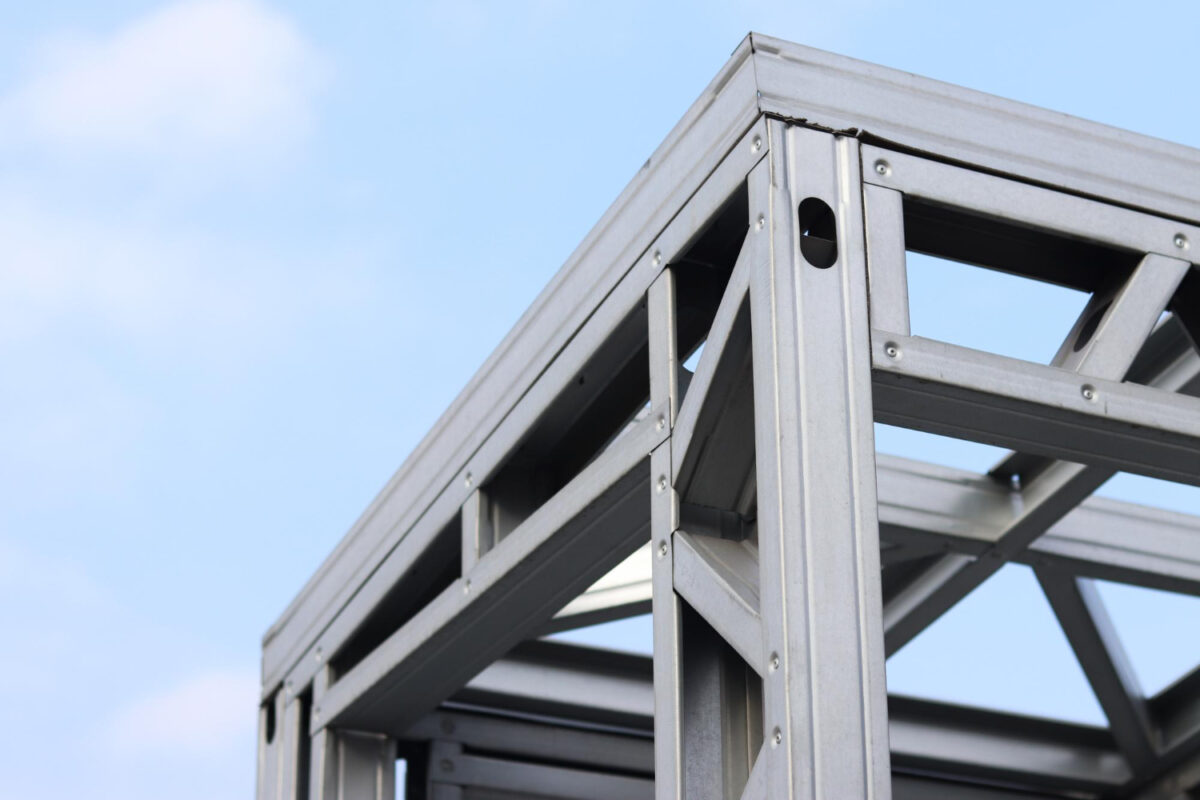


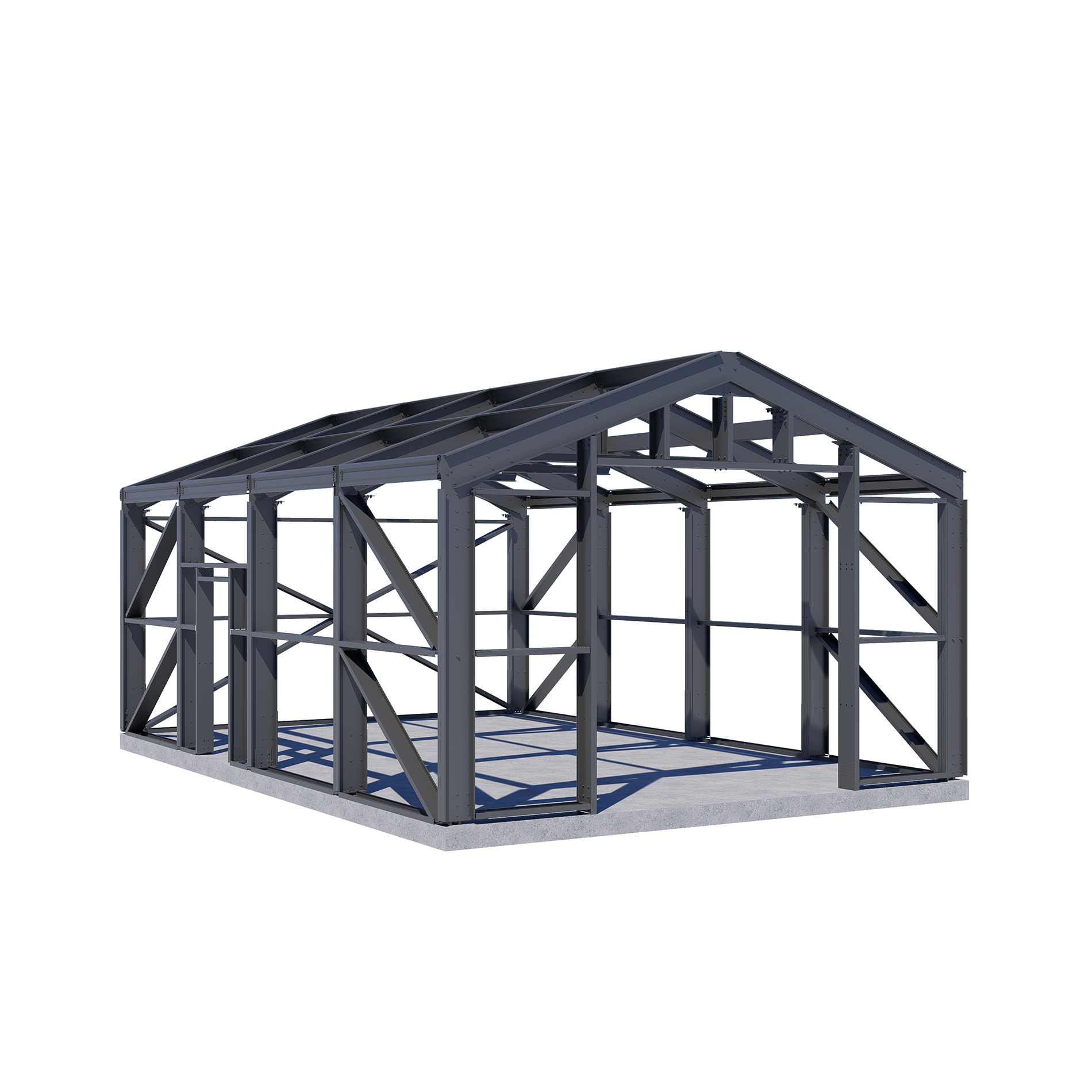
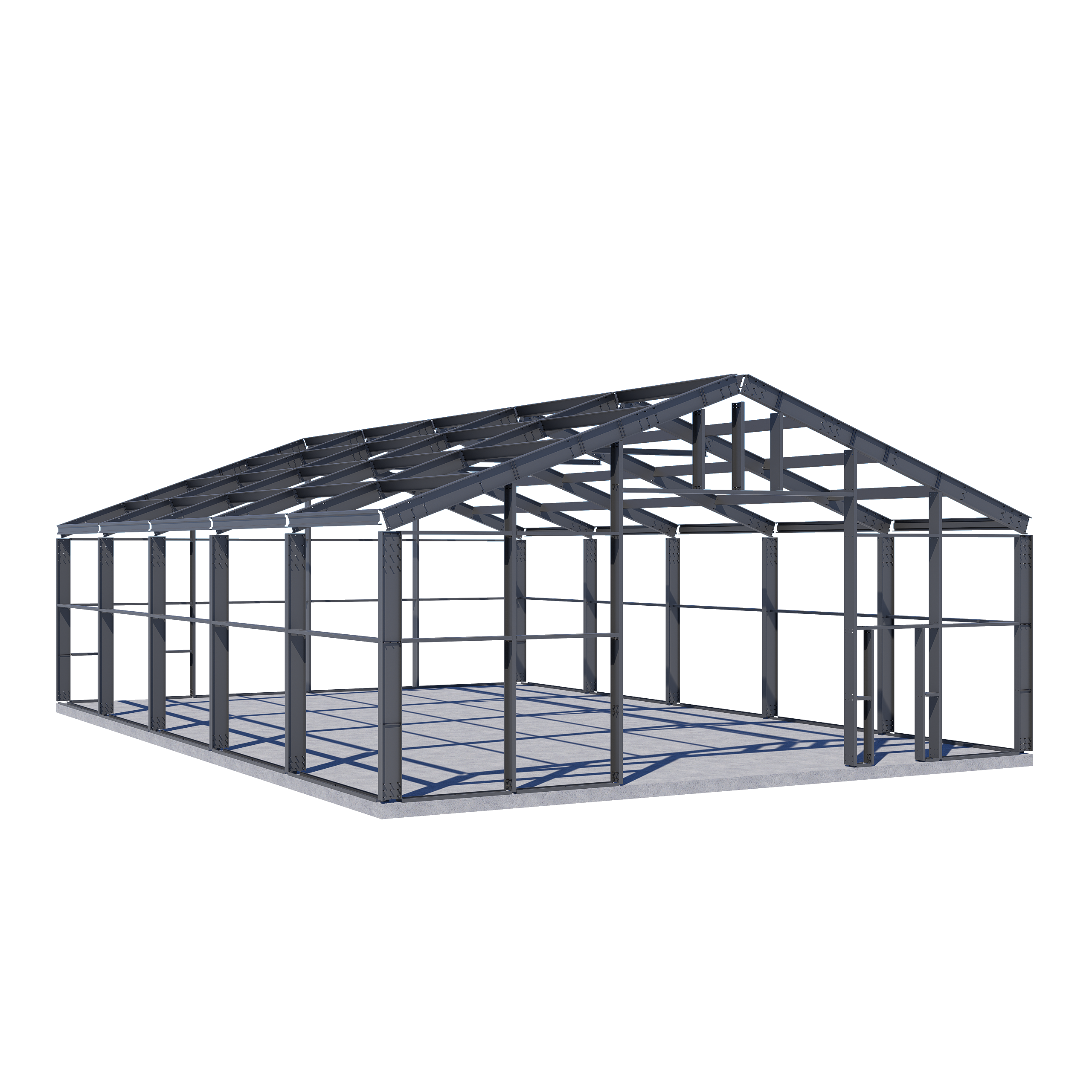
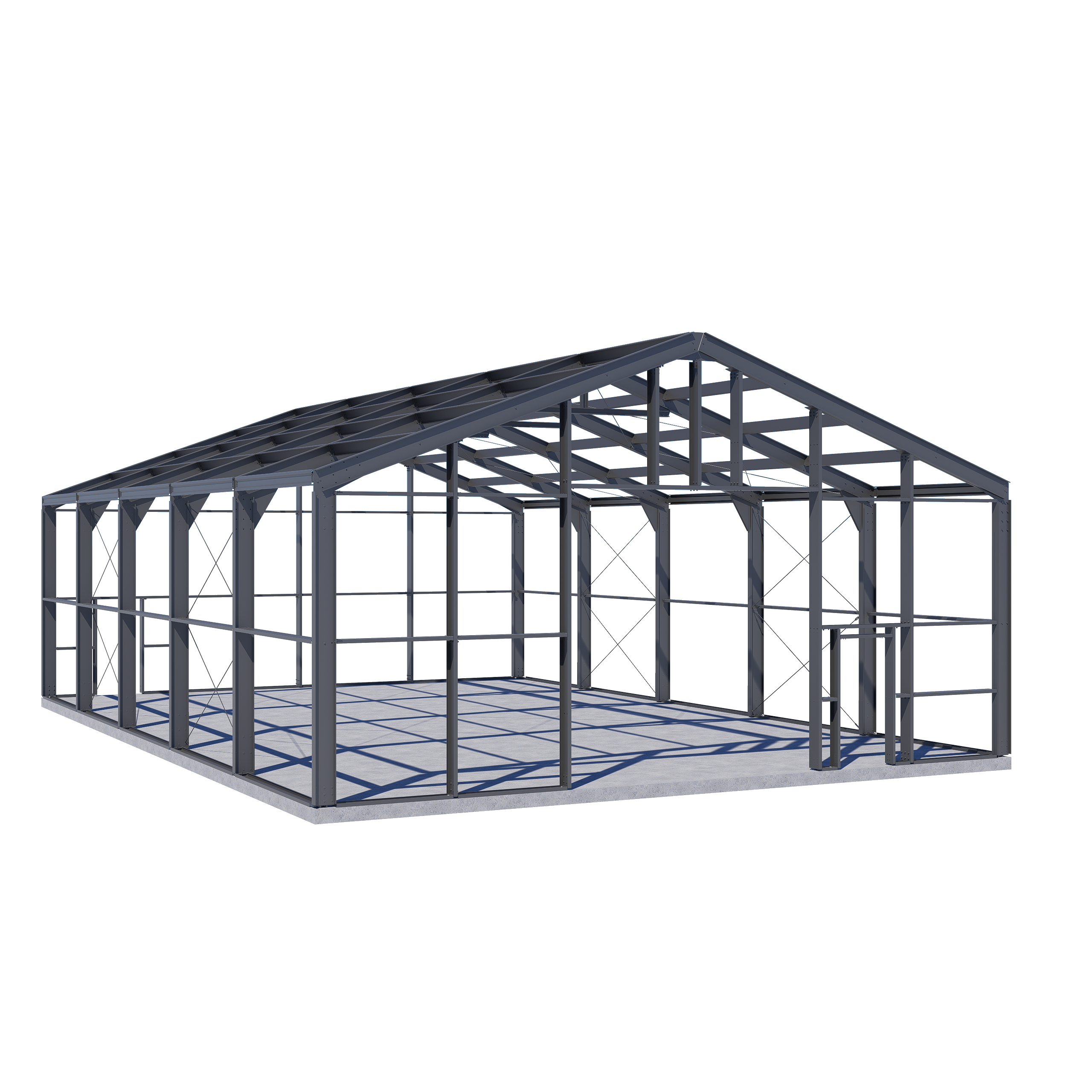
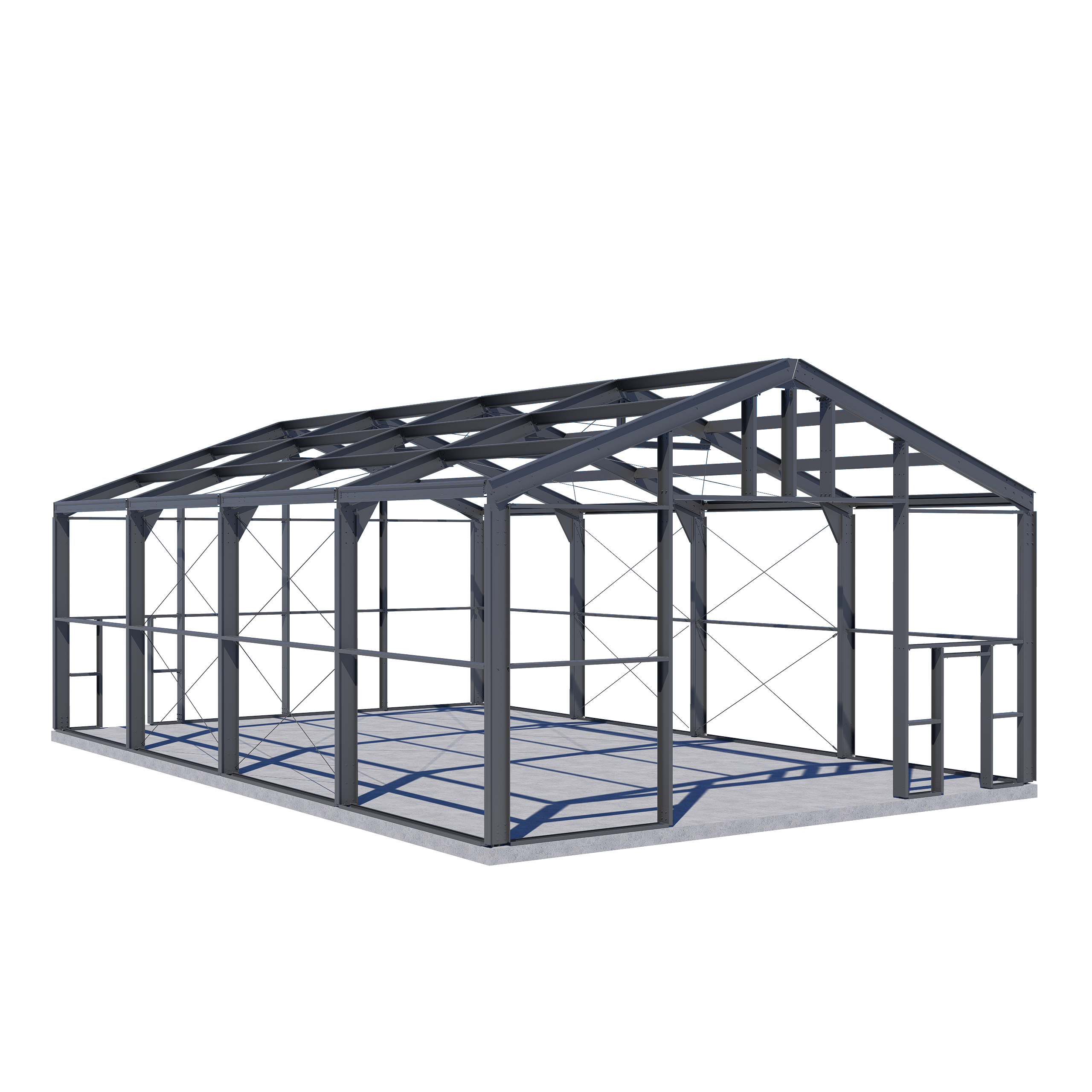
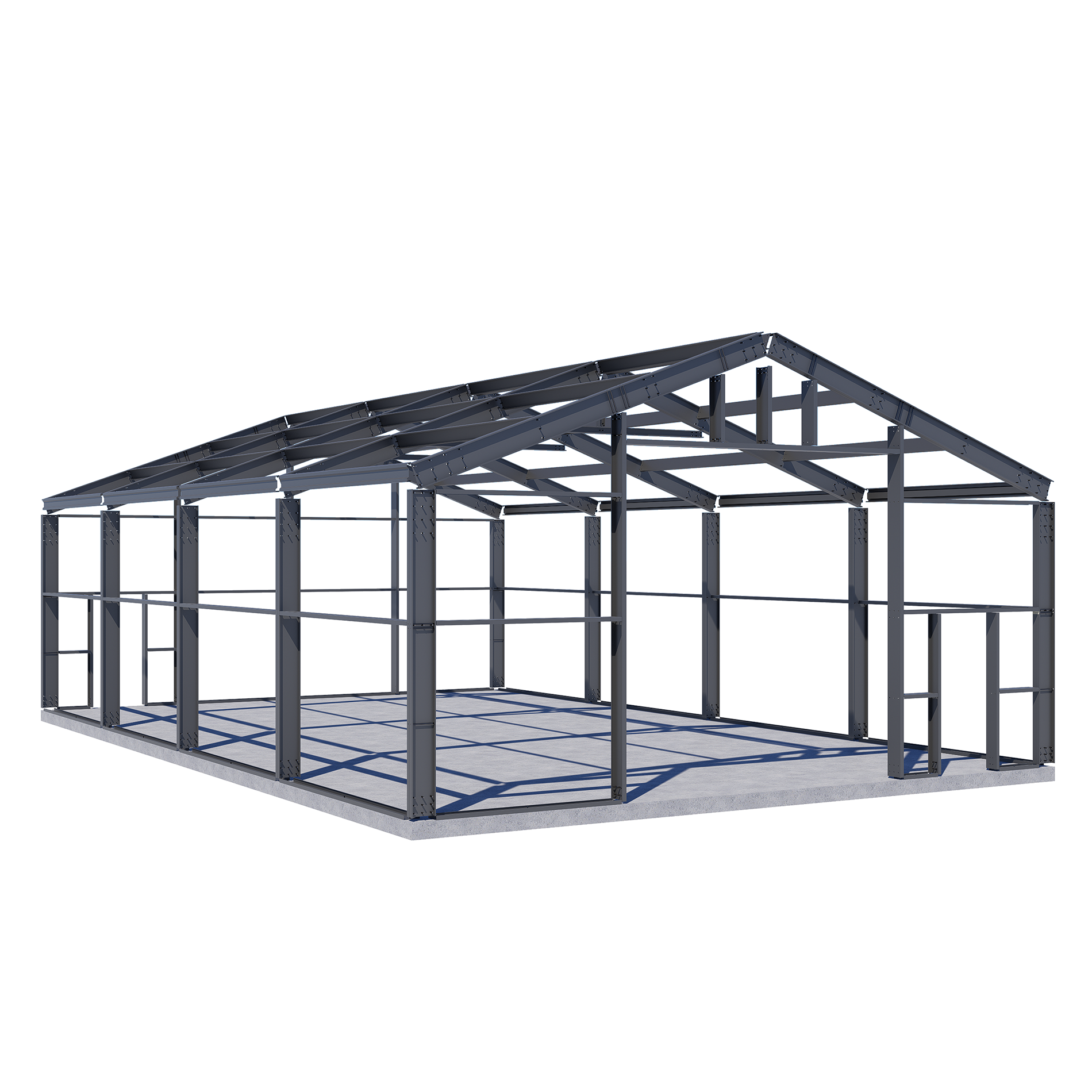
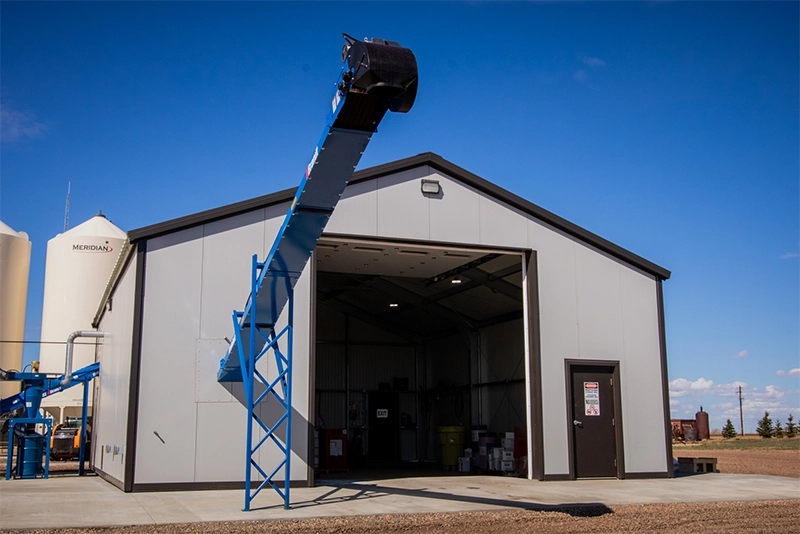
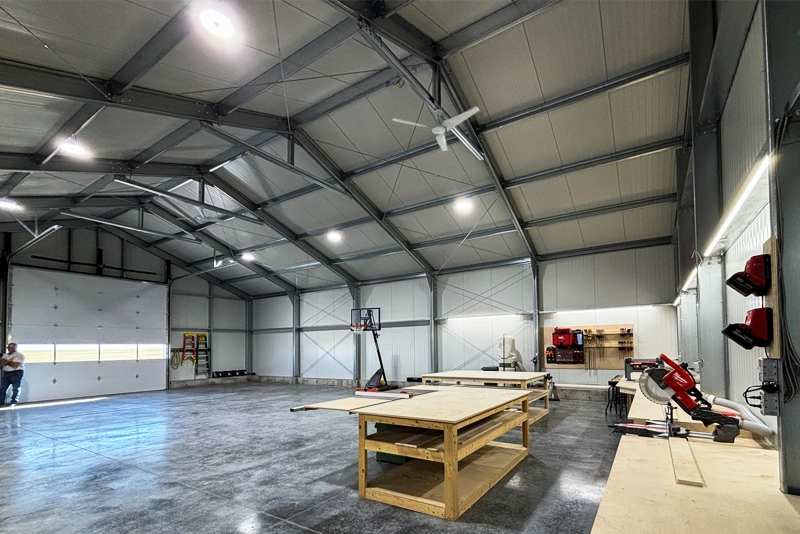
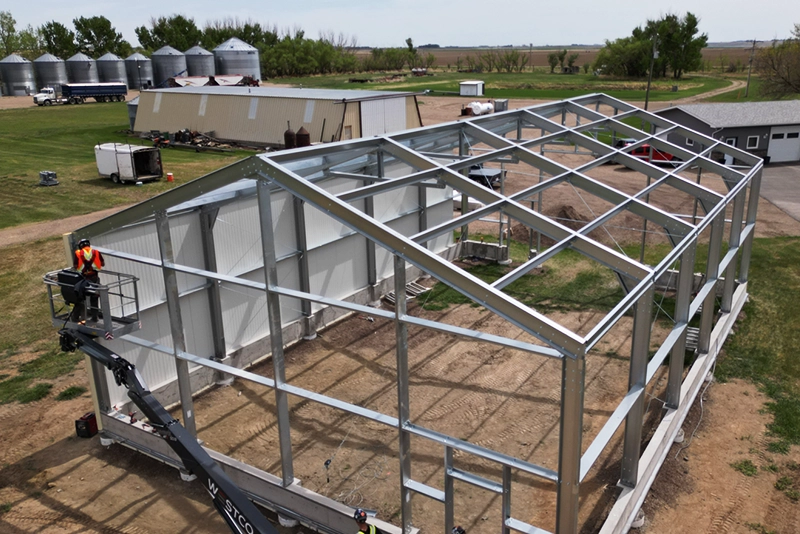
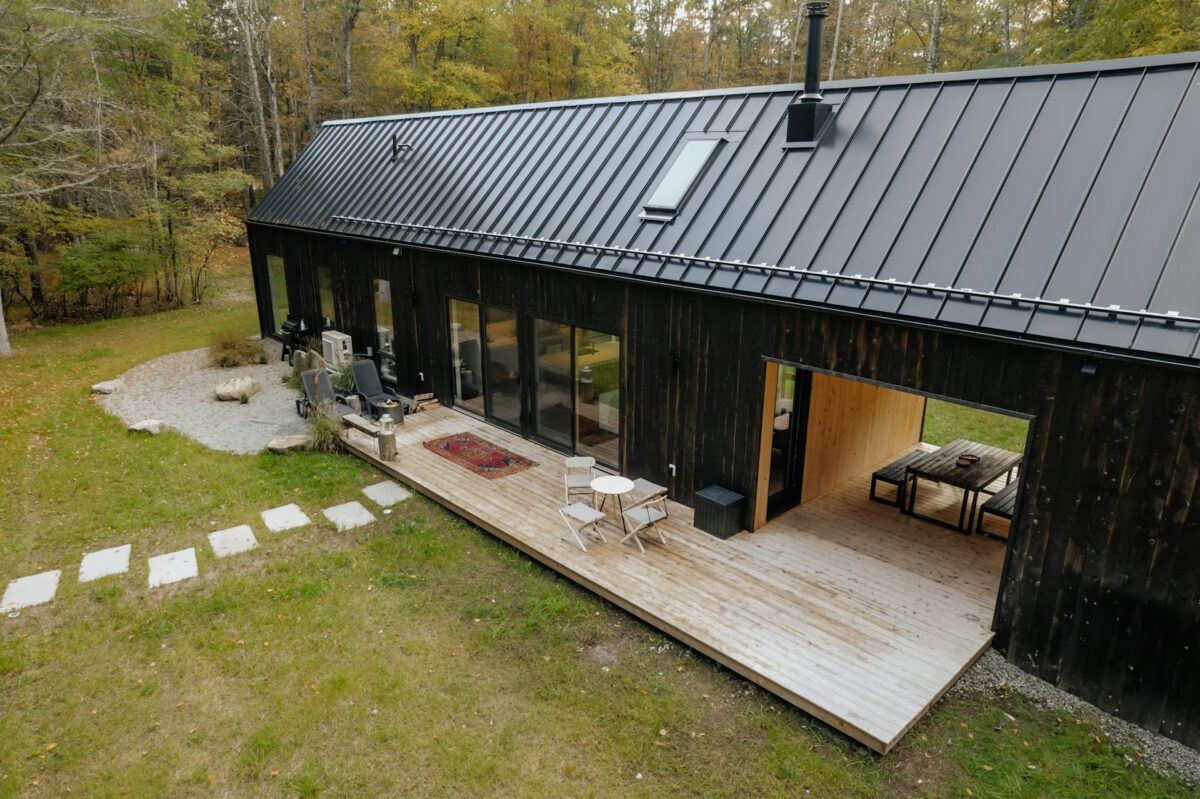
When summer rolls in and temperatures start to climb, it’s fair to wonder how a steel home structure holds up in the heat. Hot days can raise concerns about interior comfort, heat buildup, and whether the space will stay livable without running the air conditioning non-stop. More people across Canada are choosing steel homes for their strength and speed of construction, but warm weather performance still comes up often.
We get these questions for good reason. Steel is strong, but it reacts to heat, sometimes quickly. So when summer hits, design choices, materials, and simple maintenance can all play a role in keeping living spaces cooler and more comfortable. Let’s take a closer look at how these homes handle long, hot days and what we can do to help them perform better all season long.
How Steel Reacts to Heat
Steel doesn’t just sit there passively when the sun is out. In fact, it absorbs and stores heat fast. When sunlight hits metal roof panels or siding, the surface temperature can increase quickly. That warmth can then move inward, raising the interior temperature if no buffer is in place.
This matters during Canadian summers, where daytime highs vary widely depending on the region. Whether it’s a humid day in Ontario or dry heat out west, steel can take a lot of sun throughout the day. Homes with big south-facing windows or little shade might warm up even quicker.
Heat buildup usually shows up in rooms directly under the roof or along sun-exposed walls. Spaces with poor airflow or little insulation can start to feel like an oven by mid-afternoon. That’s when design planning and materials make the biggest difference. Some homeowners notice that in late summer, when the sun is strongest, rooms on the upper floors get warmer much faster than the rest of the house. That’s often the result of prolonged exposure and makes it even more important to have solutions in place that slow down or prevent this process.
Well-built steel homes are often designed with this in mind, but older or less insulated structures can struggle. Homeowners sometimes use temporary fixes like fans or blackout curtains, but those only address symptoms, not the underlying causes. To get ahead of the heat, the core design and material layers need to work together.
Insulation and Ventilation Matter
When it comes to keeping a steel home comfortable in summer, insulation does much of the heavy lifting. It slows down the transfer of heat from the walls and roof into the rooms we live in. Without it, the building acts more like a greenhouse, trapping heat and holding onto it long after the sun goes down.
Some practical features that help manage heat include:
- Wall and roof insulation that matches local climate conditions
- Roof vents to release rising hot air
- Overhangs that block mid-day sun from windows and doors
- Sealed and weather-tight windows and doors to keep cool air in
- Cross-ventilation, where windows on opposite sides allow breezes to cool things down naturally
The right thickness and type of insulation matter for both keeping heat out in summer and holding warmth in during winter. Spray foam, rigid board, and batt insulation all act as barriers but have varying levels of effectiveness depending on the climate. Checking that insulation is undamaged after winter, and that it hasn’t been moved by pests or moisture, is a smart seasonal habit.
Staying cool isn’t just about blocking heat. It’s also about getting fresh air moving and giving warm air a way out. Homes that breathe well usually feel cooler longer, even with the same outside temperature.
Well-ventilated steel homes have small but important adjustments built in. These might include ridge vents at the peak of the roof or vented soffits at the eaves. In some cases, homeowners add other ventilation solutions such as attic fans, louvre windows, or passive air grilles to support airflow. When air can travel in and out freely, it prevents hot spots, reduces moisture buildup, and helps the building feel much more comfortable.
Design Choices That Help in Hot Weather
Design plays a big role in how much heat a building collects over the course of a day. Roof shape, home orientation, and outdoor shading all help with heat control before it becomes a problem inside.
Here are a few ways design makes a difference:
- A white or light-coloured roof with a cool-coated finish reflects sunlight instead of soaking it in
- Sloped roofs allow hot air to rise and gather in one area, making it easier to vent
- Placing windows where they get morning light instead of late-day sun helps avoid peak heat
- Covered porches or overhangs provide shade at key entry points
Beyond those key choices, considering landscaping and external shaded areas can offer even more relief. Planting leafy trees in strategic locations or installing trellises with climbing plants can help cool the surrounding air before it reaches the building. Even small additions such as a portable sun shade or a pergola can break up heat paths and block especially hot rays.
Even minor changes to how a steel home is positioned on a lot can reduce the amount of direct sunlight it takes in. Designing for airflow and shade works better than battling the heat later with fans or pumps. Positioning the house to catch summer breezes while minimizing sun exposure on the longest walls can save energy and keep the home comfortable day and night.
Smart design during the planning and construction stage pays big dividends. Thoughtful window placement and covered entryways can mean significant differences in how a steel home feels inside by late afternoon. These choices not only manage comfort, but they also make day-to-day living less dependent on mechanical cooling.
Summer Prep and Upkeep
Just like any other type of home, steel buildings benefit from seasonal checks before summer sets in. A few simple tasks can help the home run cooler and stay more energy-efficient during the hottest months.
- Look for cracked seals or gaps around doors and windows, and reseal them to stop warm air from sneaking in
- Clean out vents to keep airflow strong and steady throughout the house
- Check that insulation is still dry and in good shape, especially in the attic
- Clear away anything blocking airflow around vents or intakes
- Use blinds or window covers in sun-heavy areas to cut down on heat coming in
Taking an hour to walk the perimeter and check for worn seals or blocked vents can prevent headaches during peak heat. Insulation can settle or become less effective over time, so inspecting even hard-to-reach corners can show where extra layers might be needed. Replacing or adjusting damaged weather stripping can also make a noticeable difference for both summer and winter comfort.
Turning off heat-generating appliances, using fans for circulation, or limiting oven use during the day are all easy habits that add up. It’s not about making things harder, it’s about small changes that help the home stay cooler naturally. Even running laundry or cooking after the hottest part of the day can prevent unnecessary heat indoors.
Well-laid plans for warm months always include ways to respond if a sudden heat wave sets in. Having clear, open pathways for breezes, easy-to-adjust window treatments, and access to shaded outdoor space makes it easier to adapt when temperatures spike.
Why Planning for Heat Pays Off
Steel home structures can stay comfortable in summer as long as they’re built with hot weather in mind and just a little bit of seasonal prep. When insulation is strong, airflow is steady, and the layout takes advantage of shade and wind, the home does most of the cooling work on its own.
We’ve helped people across Canada plan, build, and prepare their homes for long stretches of heat. When we think ahead during the build stage and revisit the home before summer each year, the result is a living space that feels good even on the hottest days. Good prep means we spend less time worrying about the heat and more time enjoying the season.
Planning ahead for the warmer months means choosing materials that perform well in the heat and withstand daily use. Across Canada, more homeowners are selecting a steel home structure for its durability and modern, cooling design. With the right setup, these homes can keep you comfortable on the hottest days without over-relying on additional cooling systems. At Dutech Structures, we’re here to help you create a space that feels great all summer. Reach out today to discuss your next build.