

Across much of Canada, November marks the start of real winter. Snow doesn’t just fall lightly. It comes wet, heavy, and quick, sometimes overnight. When that happens, buildings need to be ready, not just for snow on the roof, but for strong wind, sharp cold, and slippery ice.
A pre engineered steel building can be a strong option here. It’s made to stand up to weather and hold its shape, even in early snow season. But before we’re buried in flurries, it’s smart to look at how well these buildings handle November’s changing weather. This is the time when fall gives way to winter, and structures need to hold up until spring.
As Canadian winters can be unpredictable and intense, especially beginning in November, understanding building performance during this time becomes key. Heavy precipitation and fluctuating temperature swings are especially tough on structures not built for them. By examining what happens to buildings as the seasons shift, and how steel construction fares in these moments, you can make a more informed choice for winter durability.
How November Snow Affects Buildings
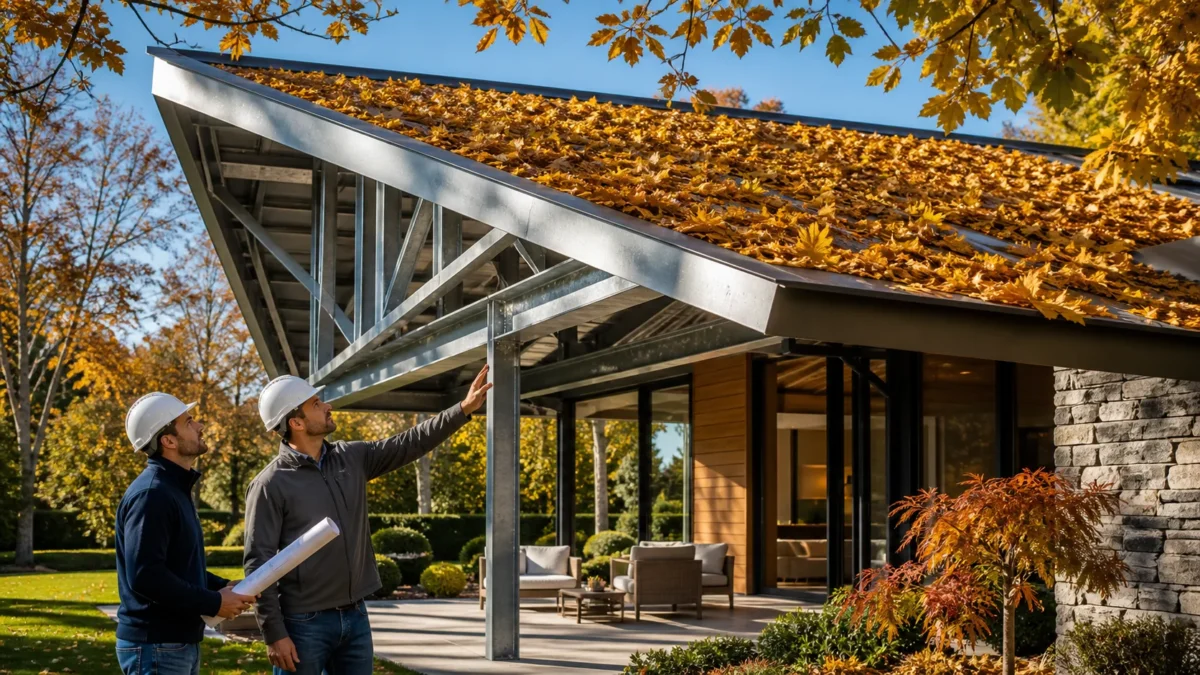
Snow in November doesn’t always float gently to the ground. It often shows up wet and sticks around. That adds weight fast and starts to pile up on roofs and around doors. It’s not just about snow either. The weather can swing from warm rain to icy wind in a single day.
- Wet snow holds more moisture, making it heavier on rooftops
- Rain can quickly turn to ice, testing how well seals and barriers hold up
- Changes in air pressure and temperature can cause building materials to expand and contract, leading to cracks or movement
When snow piles on top of that back-and-forth pressure, a structure that isn’t designed for these shifts can start showing wear. Gaps may open where seals used to hold tight, and drafts start sneaking in. November is unpredictable, which means buildings around Canada need to be ready for everything at once, wet snow, wind, and early freeze-thaw cycles.
An unexpected element is the way freeze-thaw cycles can speed up any existing weaknesses. During the day, sun may begin to melt snow, and warmth seeps into structures. But as temperatures drop again at night, pooling water quickly becomes ice. This cycle repeats and wears down roofing, flashing, and joints, meaning any minor leak or weak spot can quickly become a bigger issue. Areas exposed most to frequent wetting and thawing, such as transitions and overhangs, need an especially sturdy build.
Winter Strengths of Pre-Engineered Steel Buildings
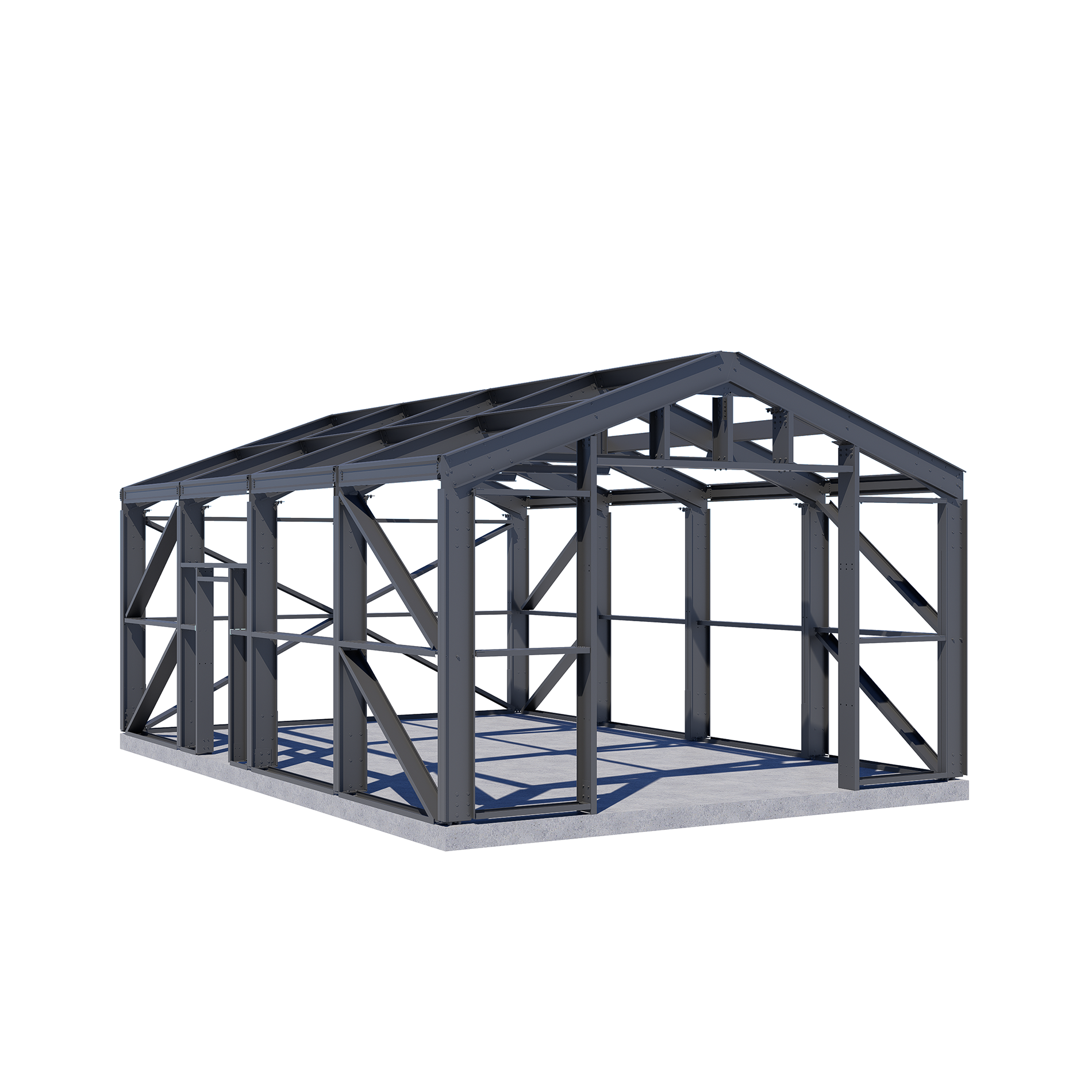
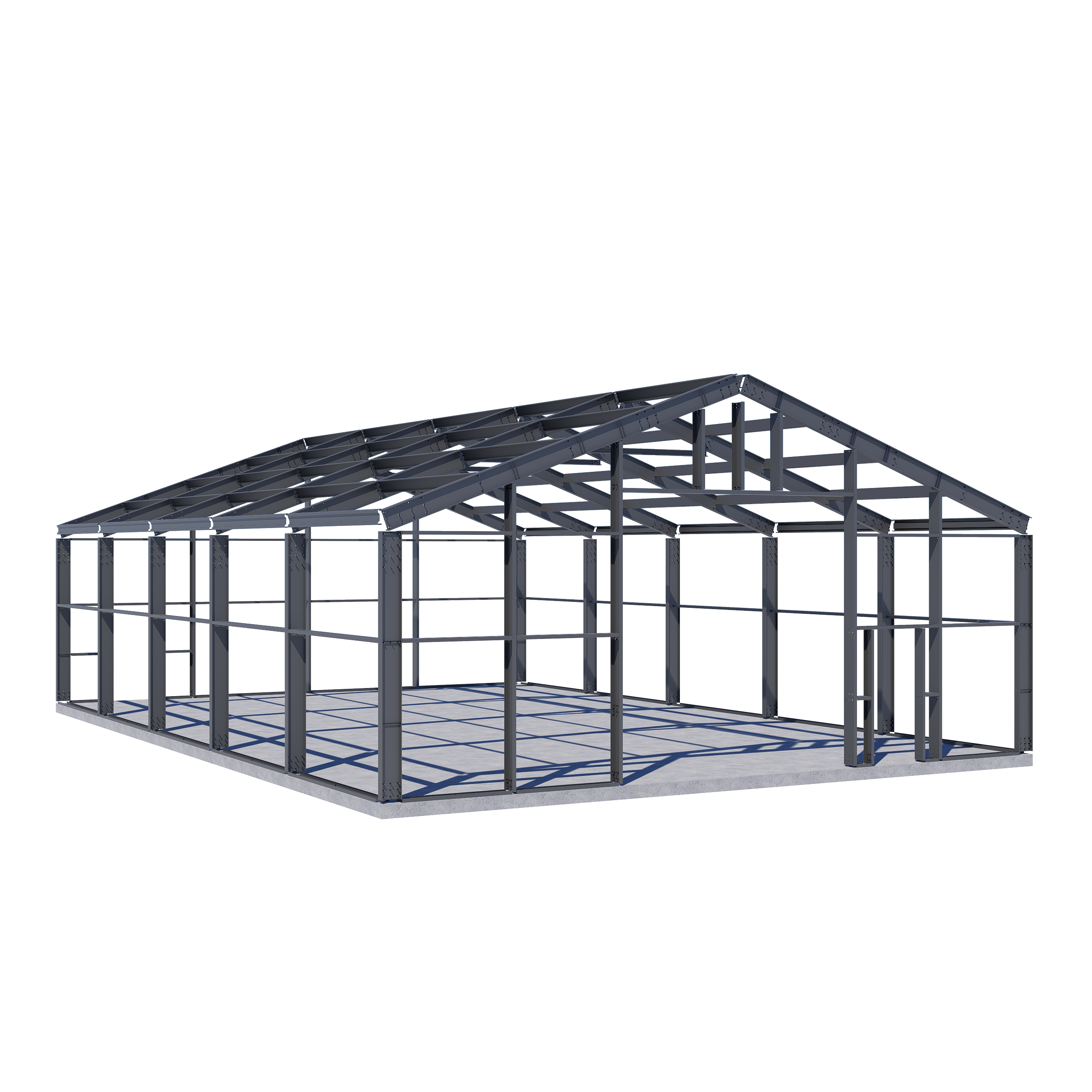
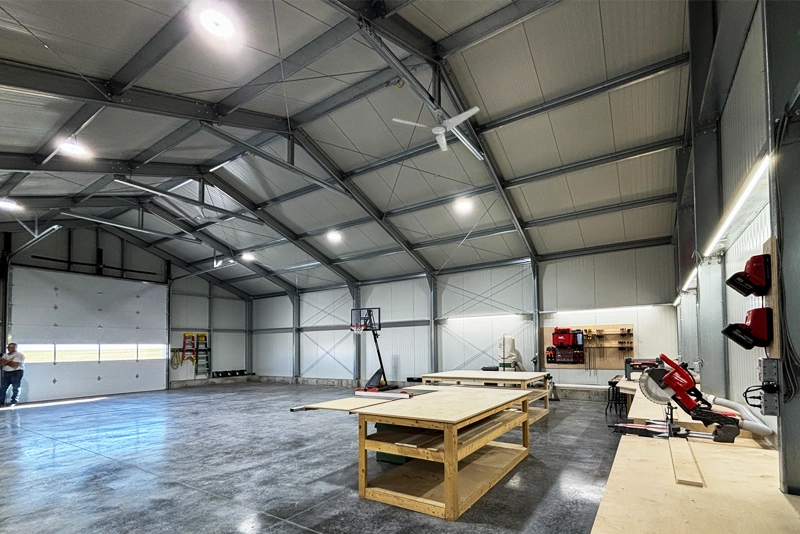
One of the main reasons we look toward a pre engineered steel building is strength. Steel doesn’t bend easily under pressure. When snow stacks up, it helps to have a building that doesn’t sag or shift out of place.
- Steel frames are solid and hold strong, even under loaded snow
- Since parts come pre-cut and pre-welded, there’s less space for cold air or water to slip through
- Once sealed, the panels lock together tightly, keeping warm air inside and cold drafts out
That tight fit makes a big difference when the weather flips suddenly. Buildings that aren’t built to fit snugly start to leak heat. But with steel, there’s a more exact fit from the start, and that matters when you’re trying to keep snow from soaking in or cold air from settling around equipment, tools, or animals.
Insulated steel panels not only add strength but also provide a layer of protection against the sharpest temperature drops. Problems like heat loss or water seeping into seams are minimized by the precision with which steel components are manufactured and assembled. Over time, this means reduced maintenance costs and fewer concerns about winter damage.
Design Features That Help in Snowy Weather
We know better than to wait for a melt in November. If a storm hits, what lands on the roof needs to go somewhere. That’s why smart design makes a steel building even better in winter weather.
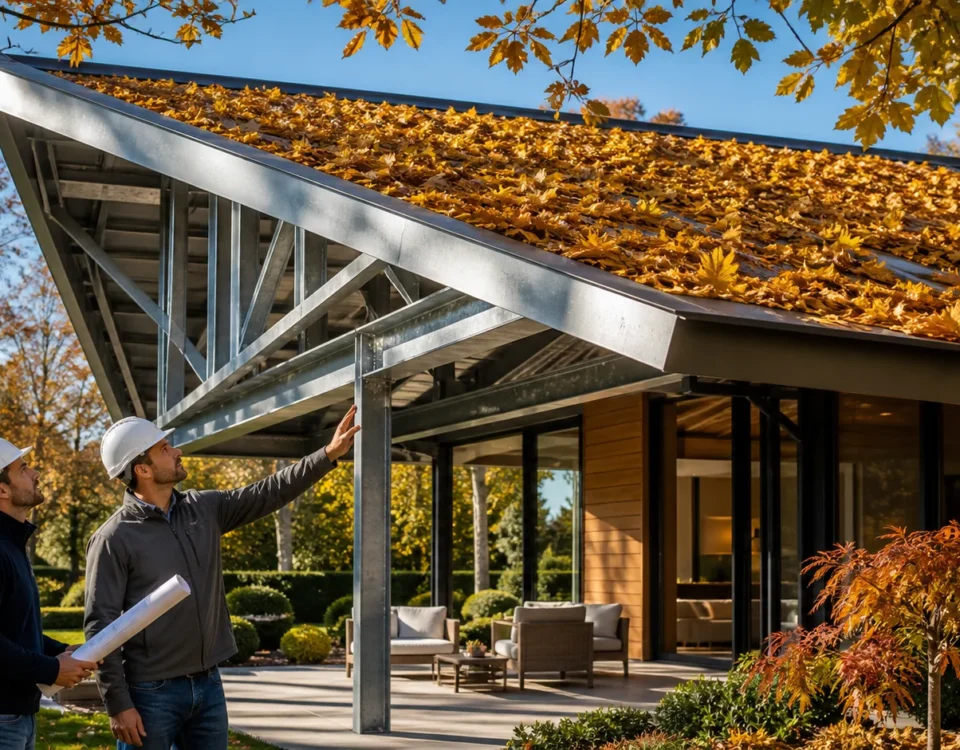
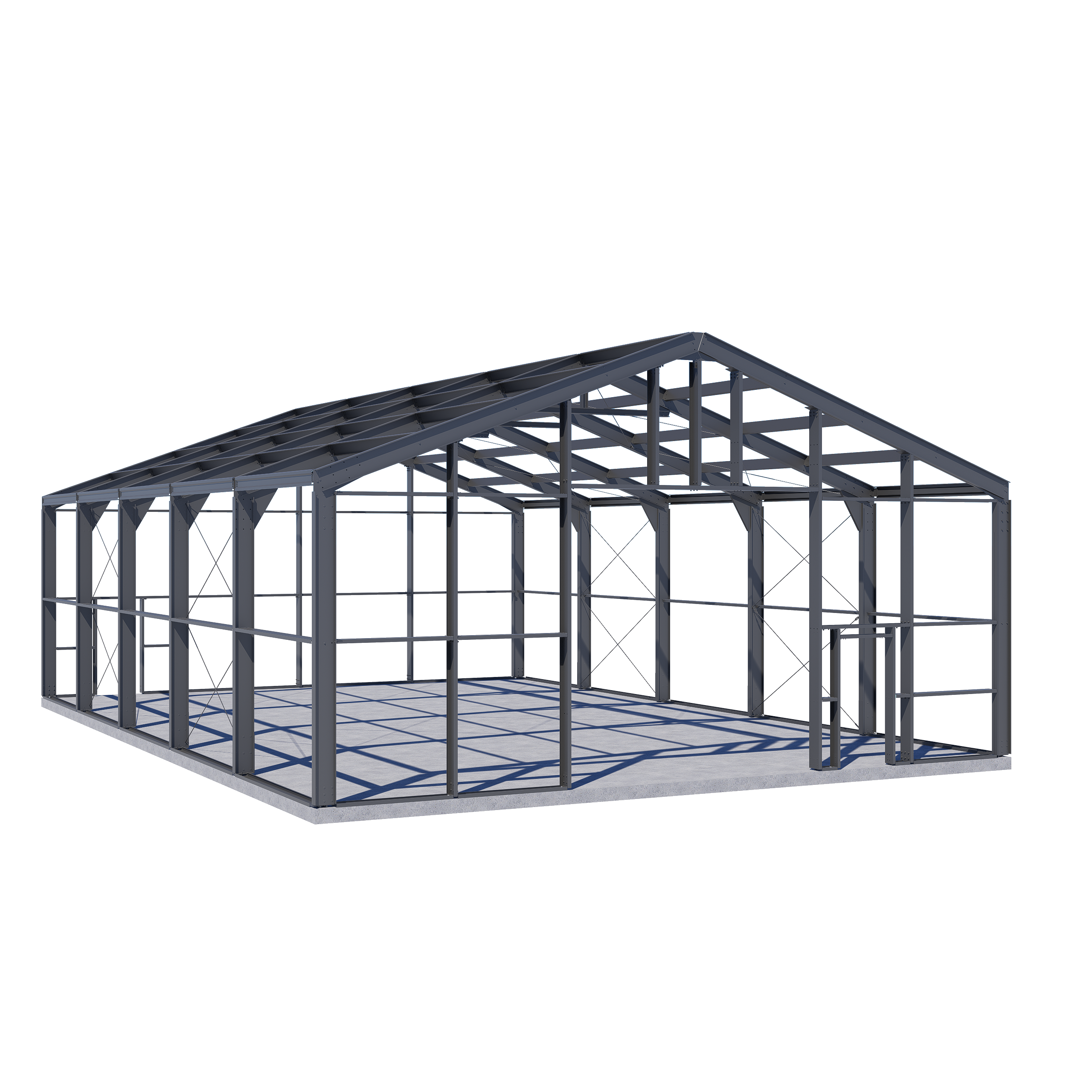
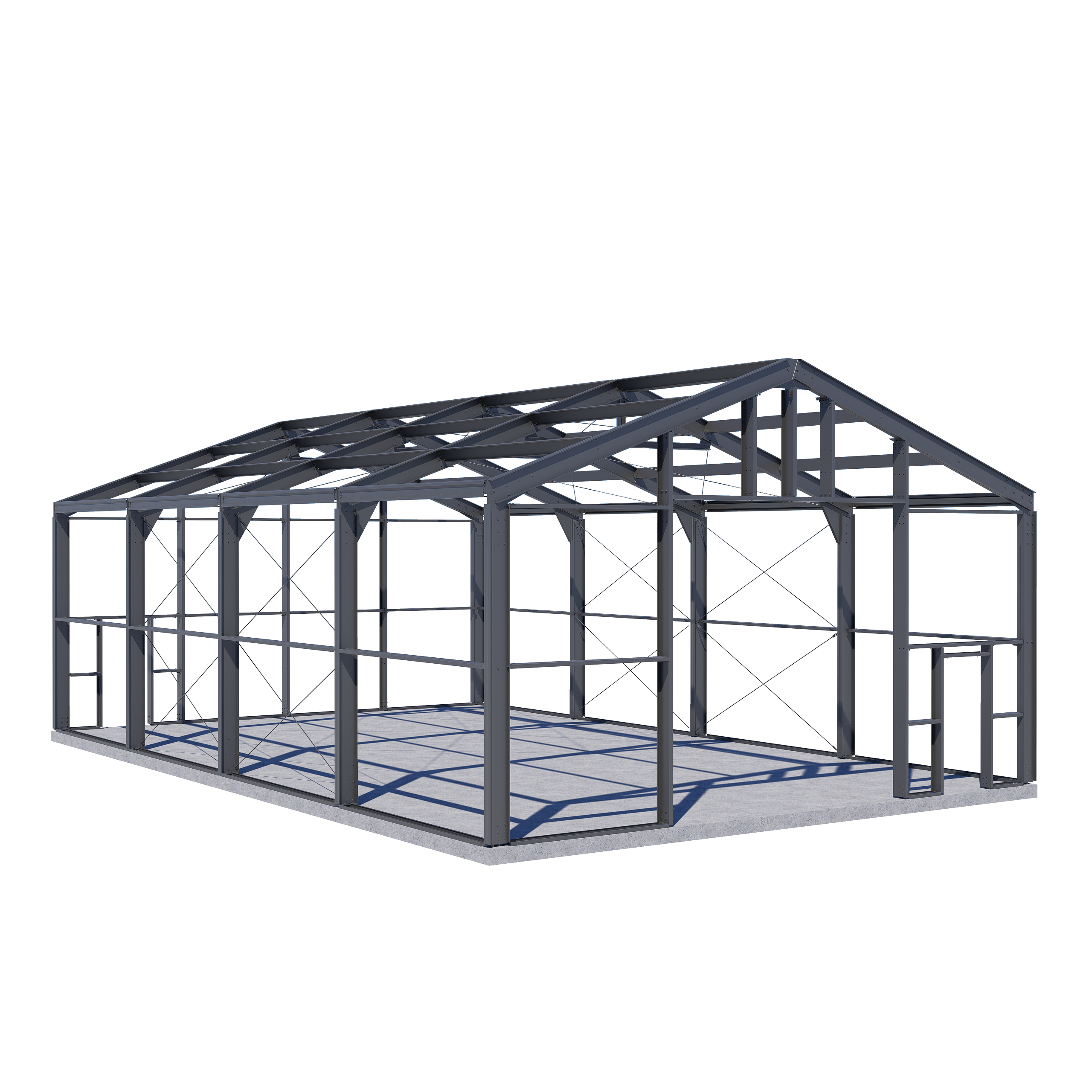
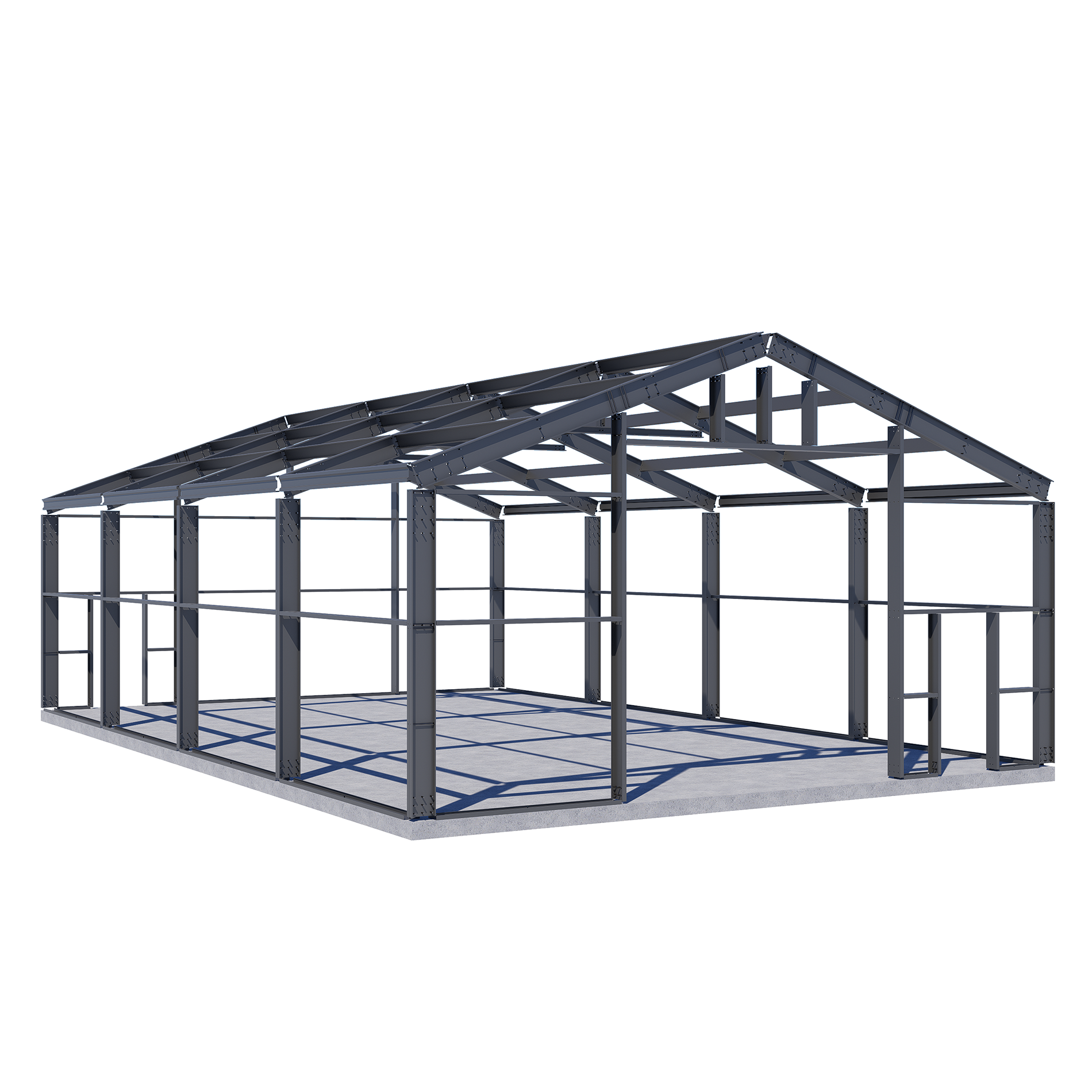
- Sloped roofs help snow slide off on its own, instead of piling up and adding weight
- Strong trusses and support framing are planned with snow load in mind so different areas of Canada can have the right setup
- Gutters, trim, and flashing work together to guide water away from key points and prevent ice from forming around doors and roof edges
These features make daily life easier. You don’t need to climb up and shovel off snow or worry about leaks forming when it freezes again the next day. Well-planned roofing and trim move snow and water where it’s supposed to go, off the roof and away from the frame.
It’s also worth noting the value of careful site orientation and drainage planning. If water and snowmelt are effectively channeled away from entrances, foot traffic remains safer and the foundation stays drier. This forethought in design makes for less frustration all season long. Plus, it extends the lifespan of your building’s exterior, reducing the potential for corrosion or shifting caused by water build-up around the base.
What to Look for When Choosing One for Winter
Not every design fits every snow season. November looks different in southern Ontario than it does out in Alberta. So if we’re planning a building meant to stand strong, picking the right setup from the start helps long-term protection.
- Make sure the roof and walls are designed for how much snow and wind your area gets
- Ask about insulation, and how the walls and roof panels connect to keep the air sealed in
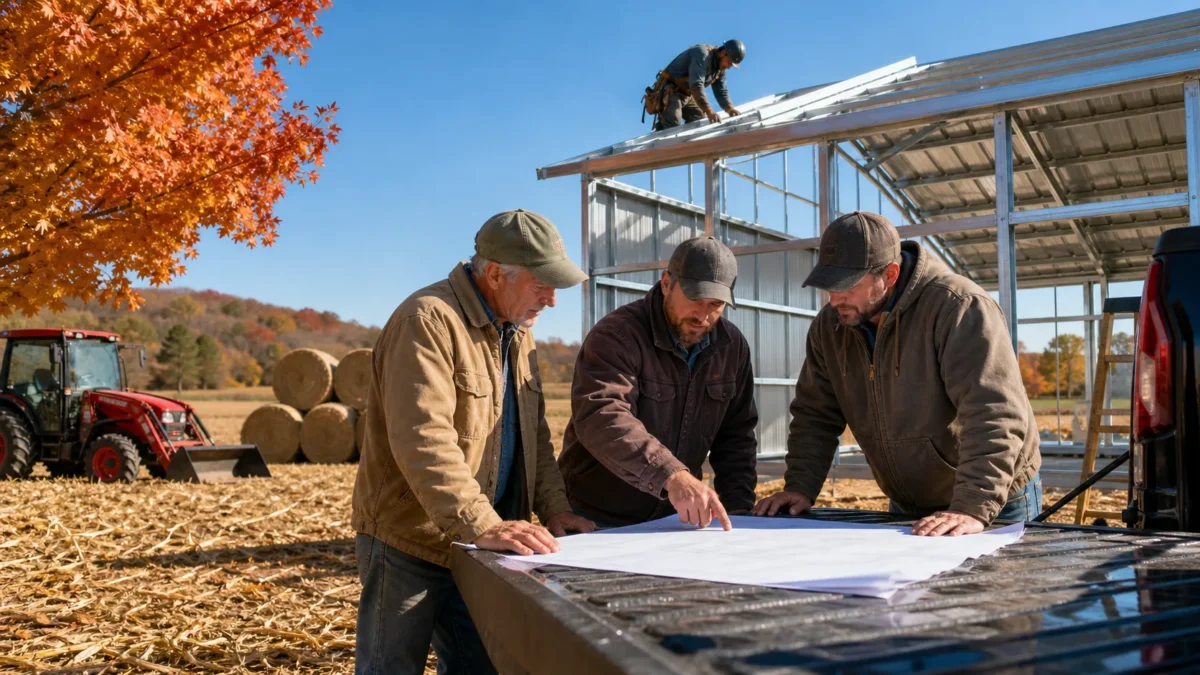
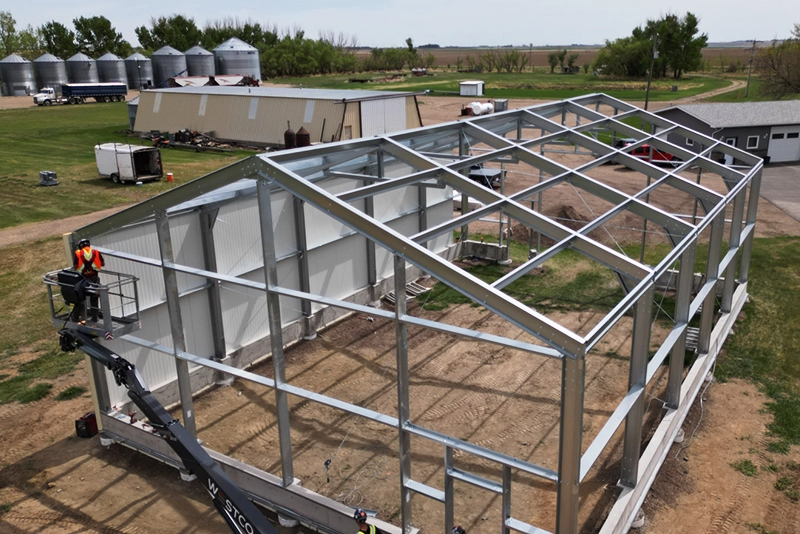
- Aim for a fast, professional setup so the building is finished before freeze-up complicates prep or concrete work
Even though a steel building comes together faster than some builds, proper planning still matters. Getting the right ratings and materials for your zone can save future problems. When a pro installs it, you lower the chance of gaps or misfits that could let in weather later.
It is also useful to check that your chosen design provides adequate ventilation. Good air exchange prevents condensation on cold steel surfaces, which can be a source of frost inside if ignored. Builders with winter expertise will discuss regional codes and recommend the best insulation and vapor barrier options for your climate. Consider these detailed checks part of a long-term investment in a trouble-free winter setup.
When Snow Comes Early, Be Ready
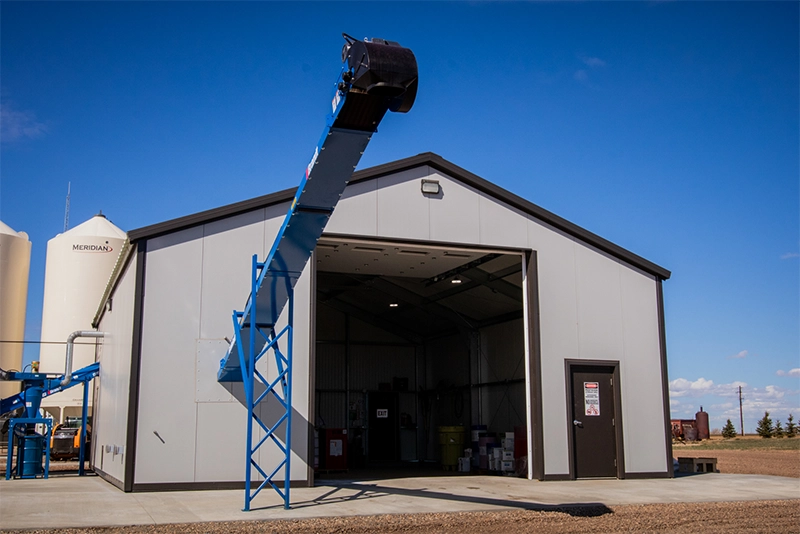
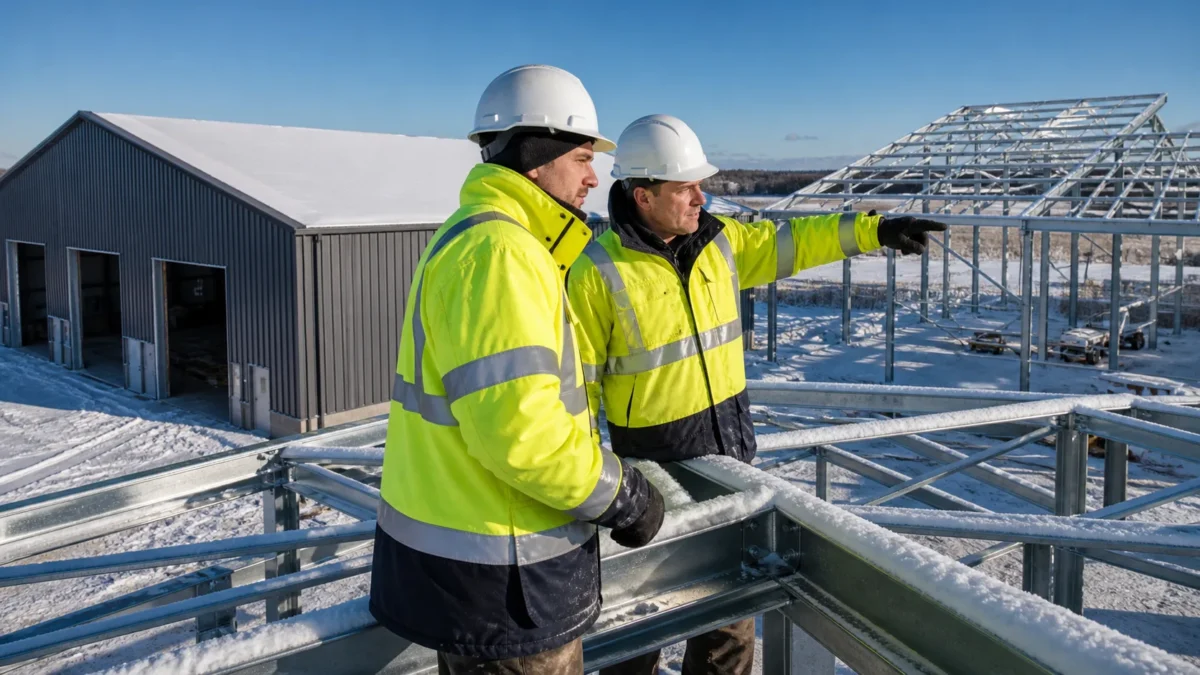
By mid-November, most of us have had our first snow. Some areas are already buried, while others are bracing for the first real blast. Having a pre engineered steel building up before the deep freeze means there’s one less thing to worry about when snow starts falling hard.
These structures are built to manage cold, weight, and noisy wind without much fuss. And with good planning behind them, they stand firm while everything around them changes. The work done up front brings peace of mind when winter truly kicks in. Knowing the building is sealed, supported, and strong makes it easier to focus on what matters during the colder months.
Winter brings plenty of challenges, but with a solid pre engineered steel building in place, you’ll be starting the season from a position of strength. The right preparation enables you to spend less time troubleshooting leaks, drifts, or cold spots, and more time putting your building to work for you.
Preparing for winter in Canada means finding a reliable solution for snow, ice, and wind, and a pre engineered steel building for your climate can make all the difference. With the right structure in place before the season changes, you avoid unnecessary worries about leaks, shifting, and energy loss. At Dutech Structures, we’re here to guide you through your options and deliver a setup that matches your timeline and location. Contact us today to discuss your needs and get started.