

Moisture issues in exterior wall cladding can turn into a big headache if not handled correctly. Imagine spotting ugly water stains or swollen walls on your building. These are clear signs that moisture has sneaked its way in, potentially causing damage over time. Properly addressing these moisture concerns is key to maintaining the integrity and aesthetics of any structure. When moisture finds its way into the cladding, it can lead to a host of problems, including weakened walls and even the growth of mold. But don’t worry, understanding these issues is the first step in keeping your walls dry and your building robust.
In Canada, with its diverse climate, tackling moisture in wall cladding becomes even more important. From wet, rainy days to snowy, icy winters, Canadian buildings face a lot of challenges. By acknowledging these weather conditions, property owners can better prepare their cladding systems to withstand moisture-related issues. Whether you’re in the heart of a bustling city or a quiet rural area, being proactive about moisture control can save time and resources. Let’s dive into identifying these moisture problems and explore how they can affect your building’s stability and appearance.
Identifying Moisture Issues
Spotting moisture issues early can save a lot of trouble down the line. Here are some signs to watch out for:
– Discoloration on walls or ceilings: This could be a sign of water seeping through.
– Peeling paint or wallpaper: Moisture can cause finishes to lose their bond and bubble up.
– Mold or mildew: Not just unsightly, these can lead to health risks if not addressed.
– Unpleasant odors: Musty smells often indicate hidden moisture issues.
When moisture affects your building, it doesn’t just compromise its looks. It can lead to structural issues, too. Imagine a book that’s been caught in the rain. The pages swell, and the spine begins to lose its shape. Similarly, moisture in the cladding can swell the underlying materials and weaken the overall structure. This can make the building unsafe over time.
It’s important to address these signs as soon as they appear. Whether you’re noticing slight shifts in appearance or more serious areas of concern, tackling these problems right away can prevent further deterioration. This proactive approach ensures that your building remains both attractive and sturdy, regardless of the weather conditions it faces.
Causes of Moisture Problems
Understanding what causes moisture problems in exterior wall cladding is an important step. The Canadian climate, with its frequent rain, heavy snow, and high humidity, can be demanding on buildings. Dynamic weather changes often lead to moisture sneaking into cracks and crevices, creating ideal conditions for water to settle in the walls. Imagine the moisture as an uninvited guest that finds a way into your home when you’re not watching.
Apart from environmental factors, improper installation can be a significant culprit. When cladding isn’t installed correctly, even a small gap can turn into a gateway for water. Similarly, neglecting regular maintenance leads to weathered surfaces that lack protection. Over time, this neglect results in weakened barriers and makes homes prone to moisture issues. By addressing these installation and maintenance flaws, the risk of moisture damage can be minimized.
Effective Solutions for Moisture Control
To keep moisture at bay, there are several effective solutions you can put into practice:
– Regular Inspections: Checking your exterior walls often helps catch issues early. Look for signs of wear or damage and fix them promptly.
– Proper Sealing: Use high-quality sealants around windows, doors, and joints to prevent water entry.
– Optimal Materials: Choose materials known for their moisture resistance, such as metal or treated wood, which offer durability.
– Correct Installation Techniques: Ensure that cladding is installed correctly, with particular attention to alignment and coverage.
– Ventilation: Adequate ventilation helps decrease interior moisture levels, which can also affect the exterior.
Implementing these practices can provide a solid defense against moisture. Regular checks and timely repairs ensure that your building stays in excellent condition, providing both function and style. Choosing the right materials and installation techniques sets the foundation for a long-lasting exterior.
Benefits of Proper Moisture Management
Proper management of moisture brings a host of benefits, ensuring your cladding not only looks good but also stands the test of time. A well-maintained cladding system considerably extends its lifespan. By keeping moisture problems at bay, the chances of having to replace or extensively repair the structure decreases.
Furthermore, well-protected cladding enhances the visual appeal of a building. It remains clean, free from watermarks and mold, significantly boosting the overall aesthetic. It also maintains the structural integrity of the building, ensuring it remains safe and secure. This assurance is not just about appearances but also about safeguarding the inside from the elements. Proper maintenance now means fewer worries later, contributing to a more stable and attractive building environment.
Ensuring Long-Term Protection
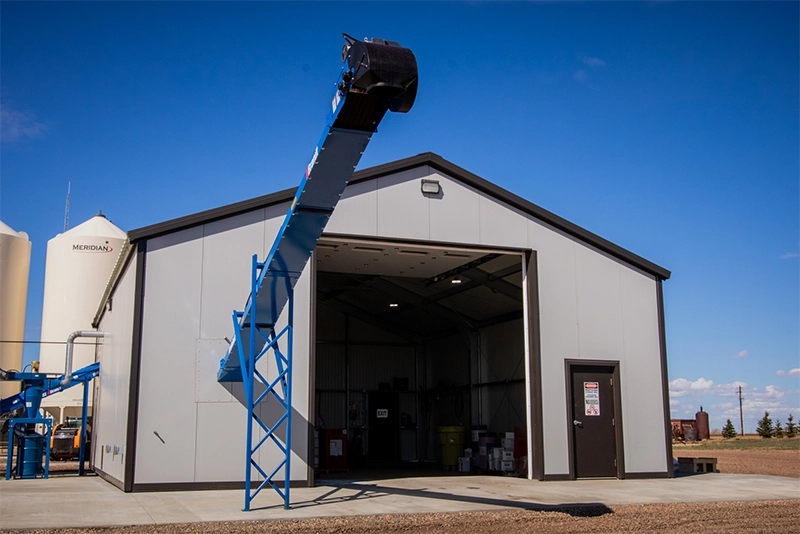
Professional installation and regular maintenance are crucial for long-term protection of your wall cladding. Companies like Dutech Structures offer expertise in selecting the best cladding for Canadian climates, considering factors like humidity and temperature fluctuations. Choosing the right exterior wall cladding materials and techniques tailored for these conditions ensures your building remains resilient and visually appealing.
Keeping Your Exterior Wall Cladding Dry and Durable
Maintaining dry and durable exterior wall cladding is well worth it in the long run. Addressing moisture issues means embracing a proactive approach, which involves regular inspections and appropriate upkeep. Taking steps towards effective moisture management simply protects your investment and enhances your building’s visual and structural appeal. Weather conditions might throw some curveballs, but with the right practices in place, your building can emerge unscathed, strong, and reliable.
For those concerned about maintaining the longevity of their cladding, exploring effective solutions for managing moisture is a great step forward. Discover how Dutech Structures can support your efforts by learning more about exterior wall cladding. Focus on proactive measures and let us help you protect your investment, ensuring a safe and appealing building environment.