

Snow can pile up fast in the Canadian winter, and when it does, your building’s roof needs to be ready. A light dusting might not be a problem, but heavy snow loads are a real concern in many parts of the country. If your building isn’t strong enough to take that pressure, the weight can lead to sagging, leaks, or worse.
That’s why many people consider a pre-engineered steel building. These buildings are designed before they go up, so we know they’re built with the right supports in the right places. But even with a strong material like steel, snow load needs careful planning. Let’s talk about how these types of buildings perform under the weight of winter and where they may or may not be the right fit.
What Makes Snow Load a Concern
Snow is heavier than it looks. In parts of Canada, it doesn’t melt quickly. That snow can sit on a roof for days, even weeks, adding up over time. If your building isn’t built for that kind of stress, problems start to show.
• A flat or low-pitch roof tends to collect more snow, leading to extra weight
• As snow melts and refreezes, ice may form at the edges, adding more stress to certain parts
• Older buildings or ones not built for local weather may not have the support needed to hold up under long winters
Even buildings in the same area can have different snow-load needs depending on what they’re used for. A small garage used now and then is different from a storage shelter that runs heaters or holds sensitive gear. Some buildings are used daily, while others may only see traffic during certain seasons. These differences affect how much snow a roof is likely to face and how soon that snow needs to be managed. Shops that store equipment, workshops, and even animal shelters all have their own risks. That’s why it’s important to think carefully about the snow load each space might need to handle, not just during big storms, but throughout the entire cold season.
How Pre-Engineered Steel Buildings Handle Snow
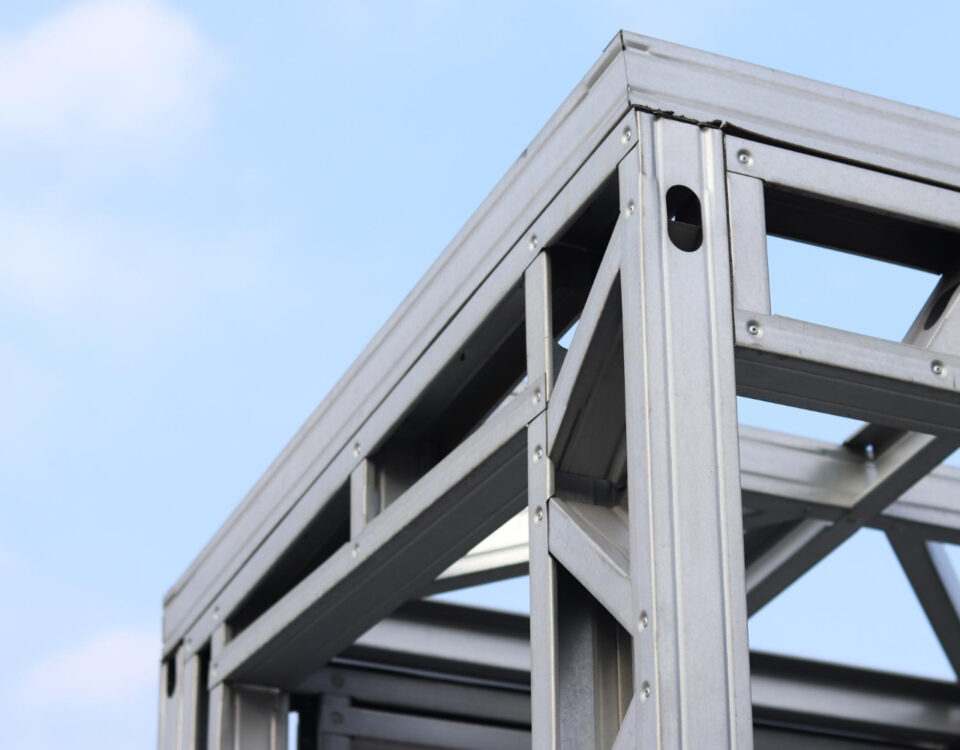
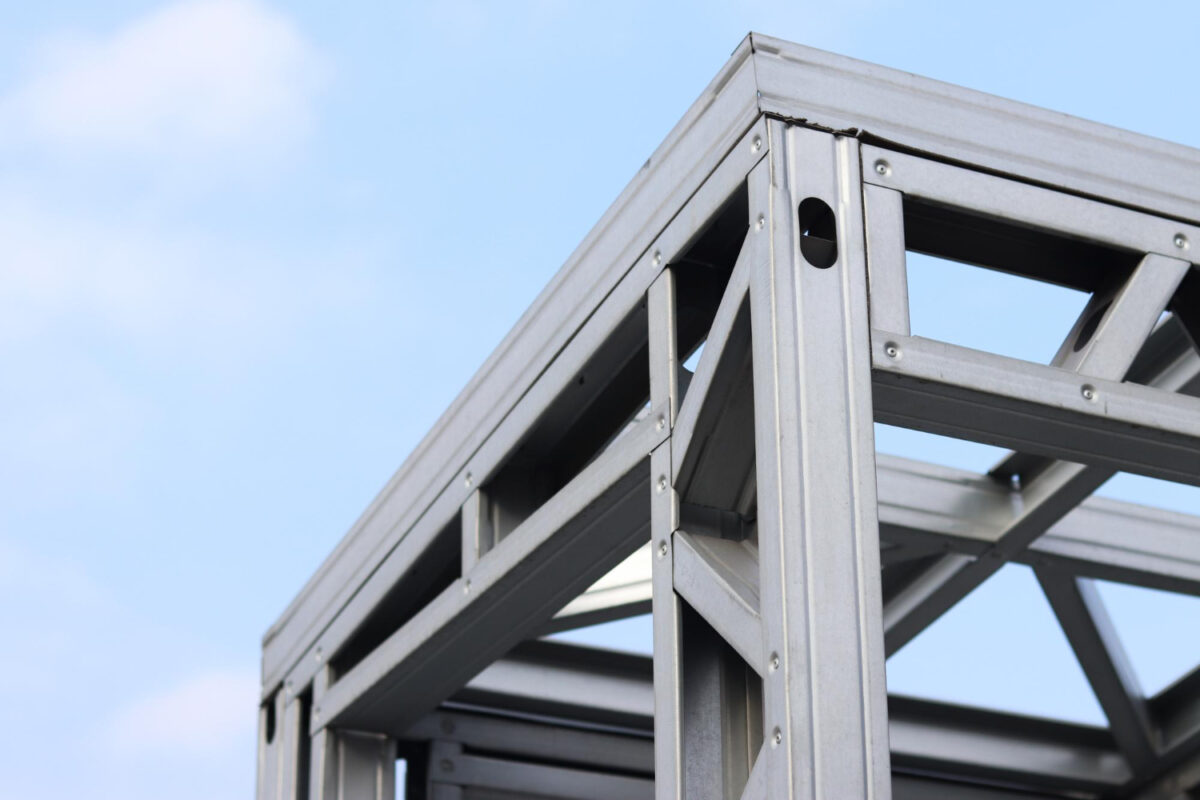
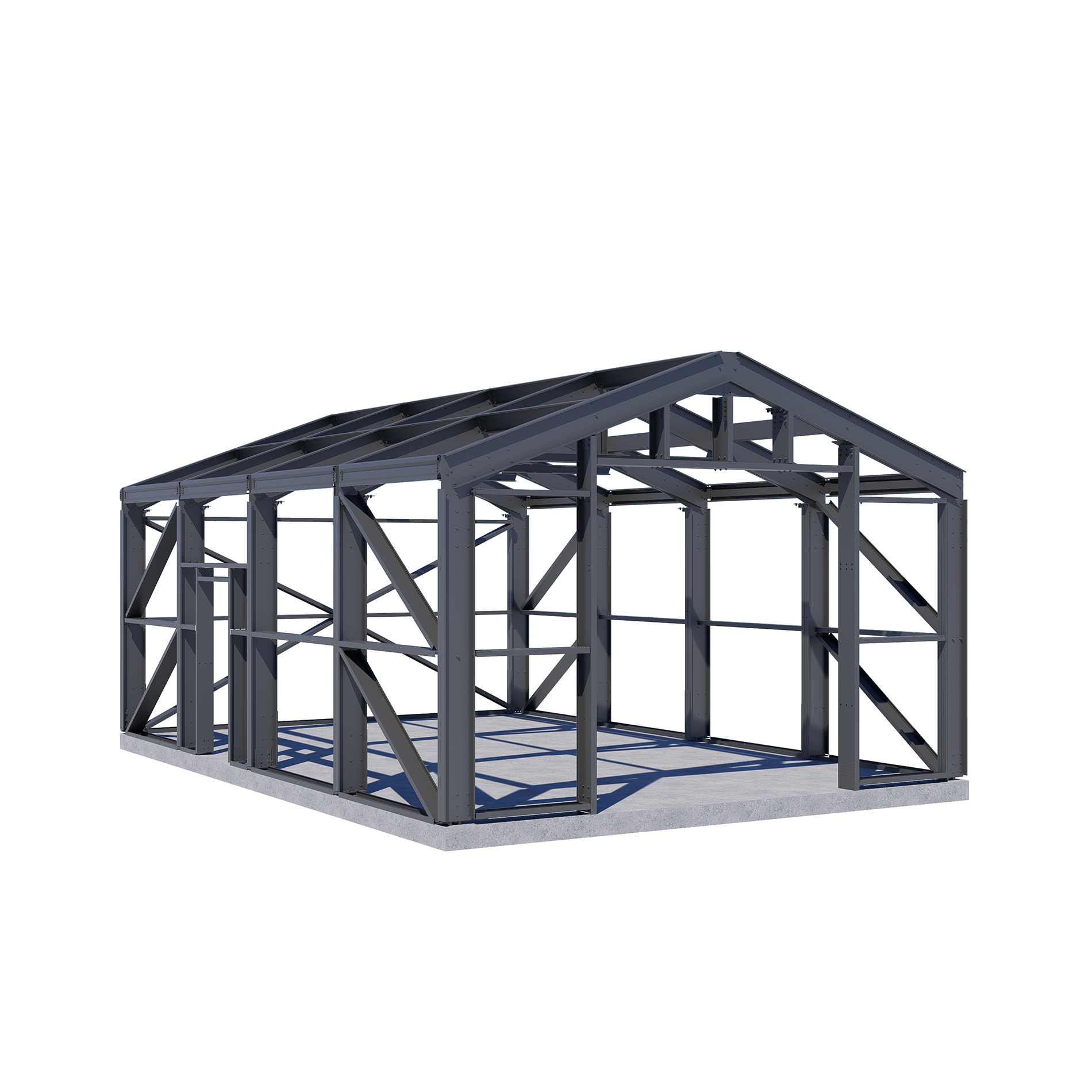
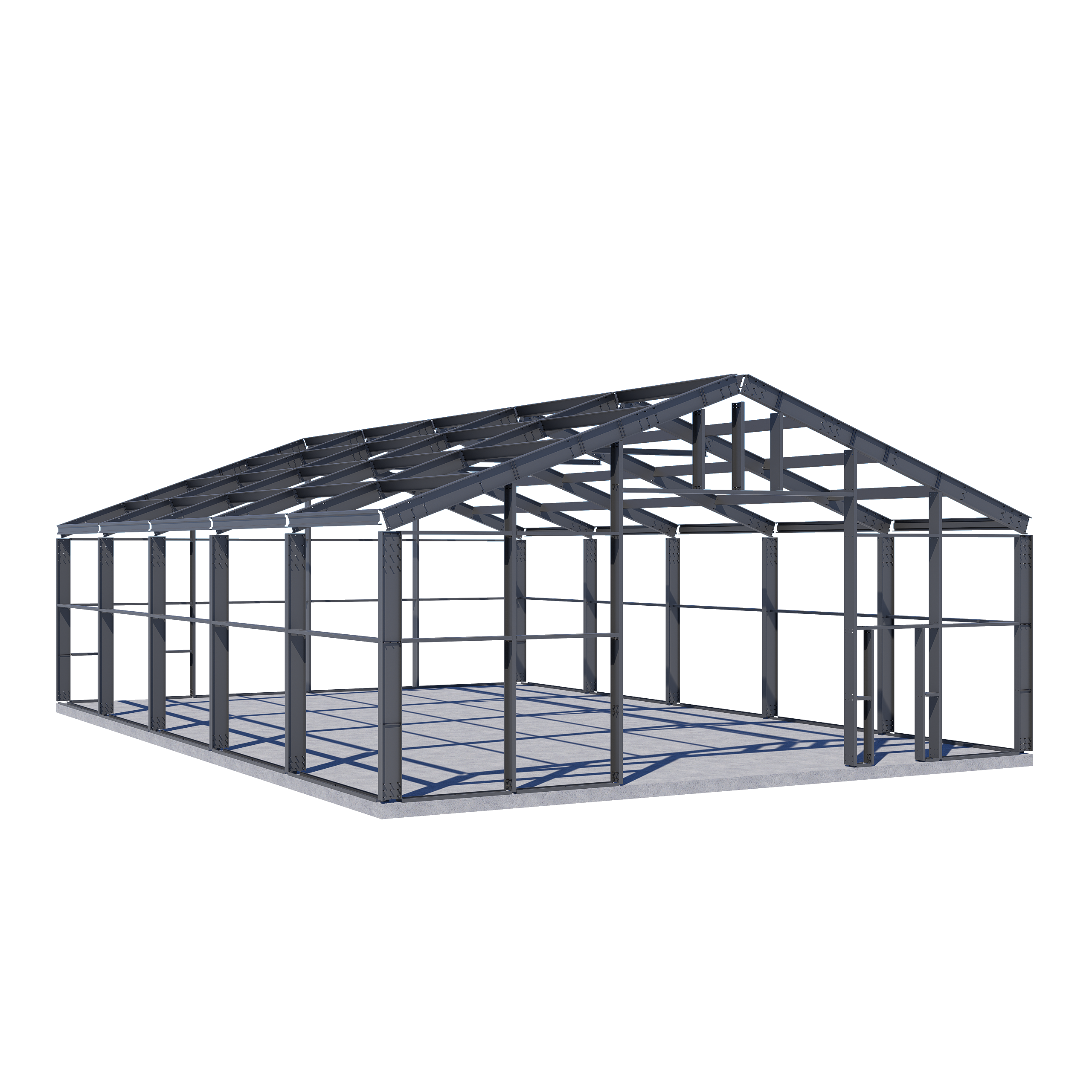
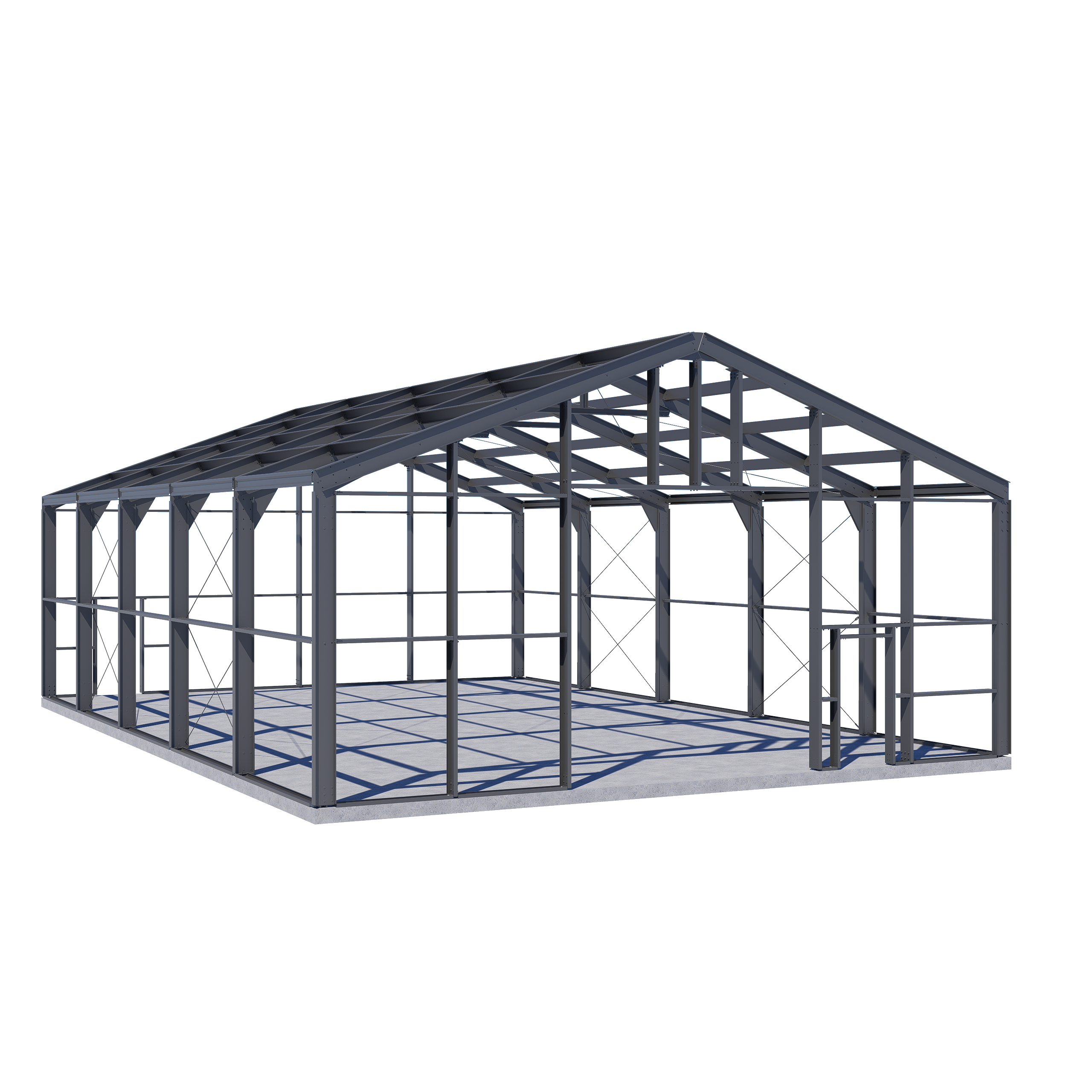
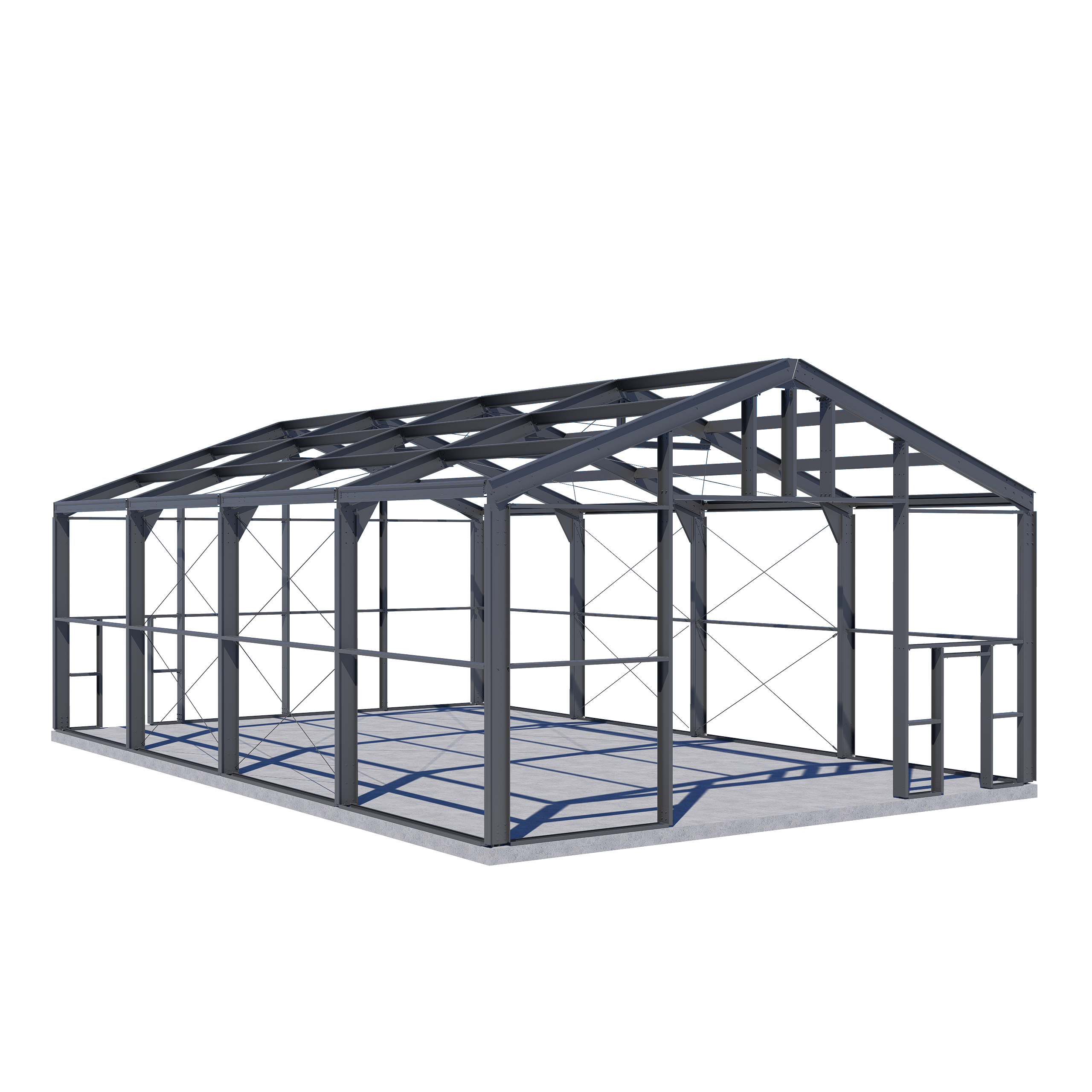
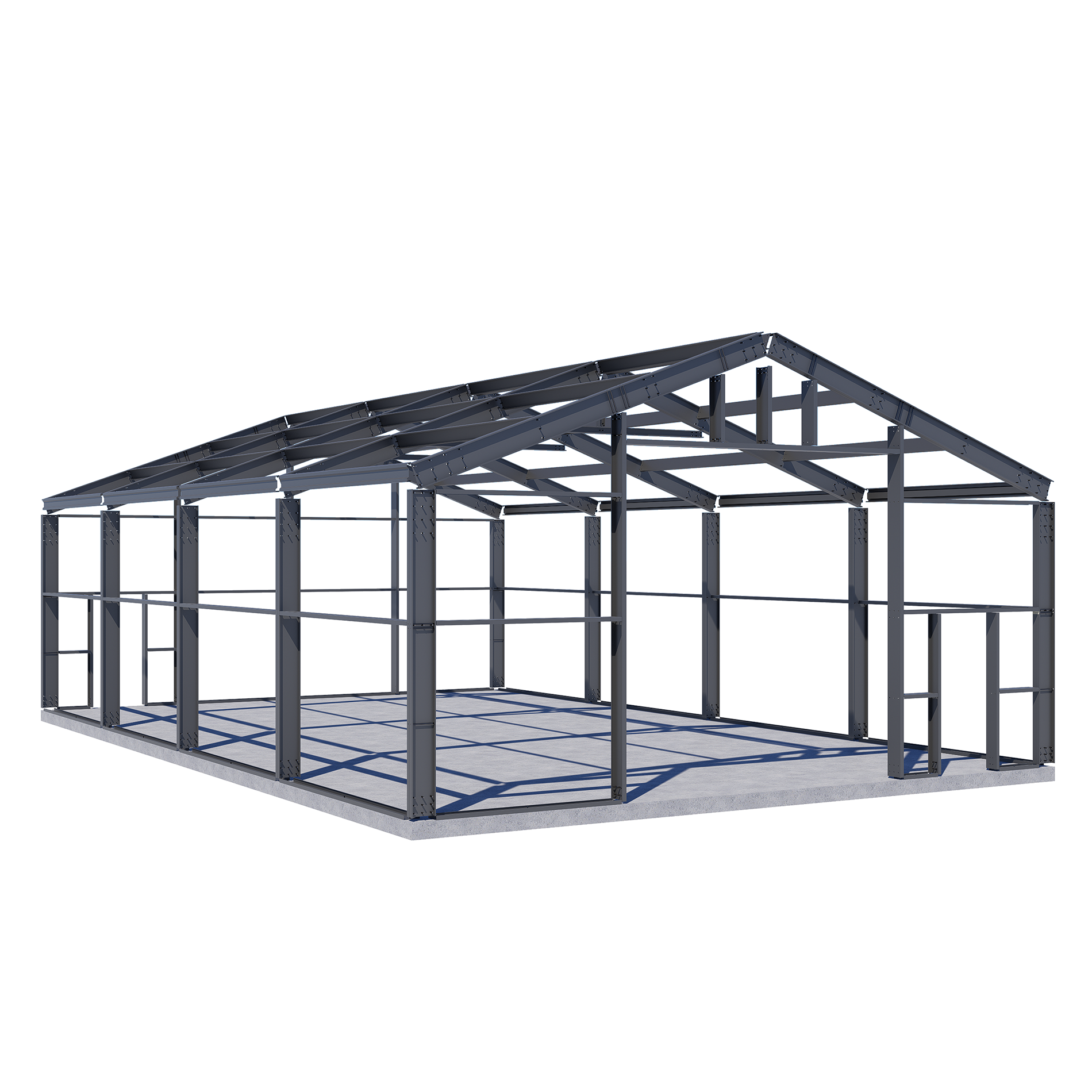
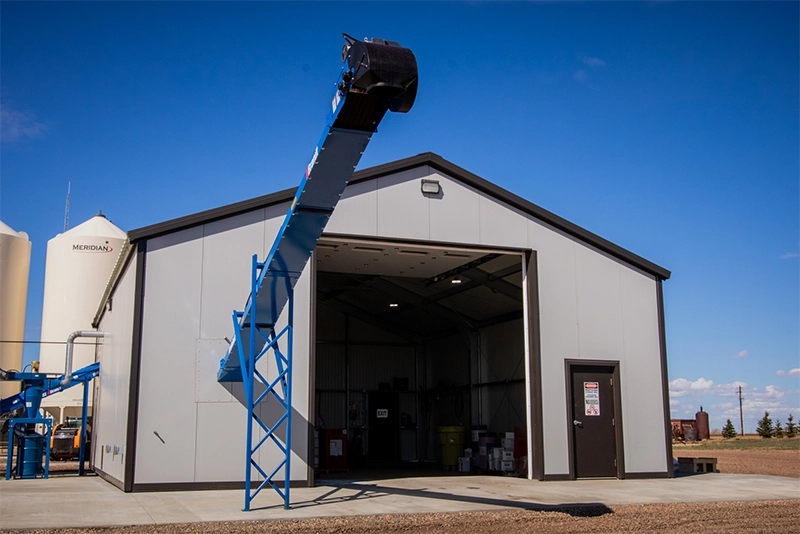
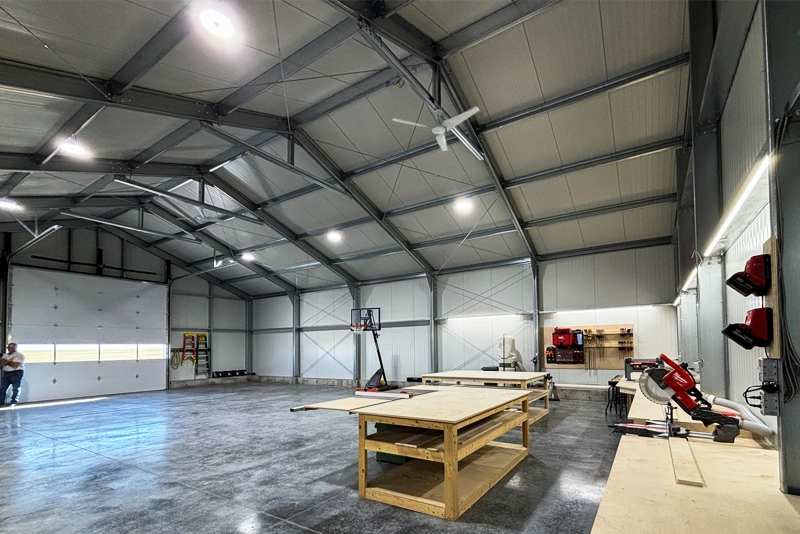
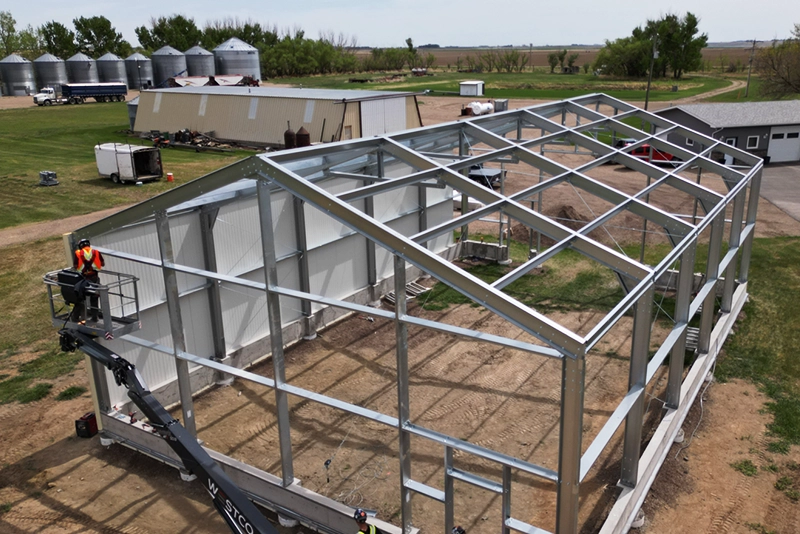
The benefit of a pre-engineered steel building is that it’s built from a plan made to fit the purpose. That includes snow. These buildings often use wide-open spans, tight joins, and a strong steel frame that’s great at holding weight right where it needs to.
• Steel framing holds up under pressure and won’t shrink or crack from cold like wood might
• The straight span design spreads out the load, keeping heavy spots from bending the roof
• Since the building is planned in advance, we can match the structure to the local snow expectations in the area
Steel doesn’t care much about cold temperatures, which makes it a natural match for Canadian winters. Proper drainage and indoor temperature levels can help keep snow from building up too fast. Compared to other materials, steel has a predictable strength that allows for reliable design and fewer surprises during the coldest weather. When a building is engineered for heavy snow, you get fewer worries about roof sag or stuck doors during winter freeze. Over the course of many seasons, steel stands up to repeated snowfalls and icy build-up, which gives peace of mind year after year.
Design Features That Matter Most in Snowy Weather
It’s not just about the material. A steel building is only as good as the way it handles snow. Certain design choices can make a big difference.
• Roof pitch: A steeper slope lets snow slide off more easily, which stops it from collecting too much weight all at once
• Bracing and framing: Where and how we add bracing determines how well the building handles pressure from above
• Drainage: Proper gutters, downspouts, and sealed seams keep meltwater from seeping in and causing damage
• Access points: Doors, overhangs, and walkways should stay clear and functional, even with a snow pile nearby
These small choices at the design stage help protect the building through tough winter months. With a mix of thoughtful features and steady materials, the building works with the weather instead of against it. The layout you choose inside can also help avoid cold spots and freeze-thaw problems. Paying attention to the position and size of windows, doors, and vents means less trouble with ice building up or water dripping where it shouldn’t. Adding blizzard guards or snow stops above entries can keep pathways safer and make sure snow doesn’t pile up where people need to walk.
Keeping up with regular checks and maintenance, especially after big storms, helps spot small issues before they turn into bigger ones. Even with strong steel, no building is totally immune from winter wear. Checking supports and seals will keep your building in top shape so that every door opens and no corners leak in the heart of a snowy season.
When to Think Twice or Make Adjustments
A good fit in one spot might not be the best in another. That’s why we treat snow planning as something flexible. If you’re in a high-snowfall zone, or if the roof will be used for extra storage or mounted gear, you may need to step things up a bit.
• In high-load areas, thicker panels or added depth in the frame can help hold heavier snow loads
• Roof reinforcements or tighter stud spacing may keep weight from causing dips or leaks
• Local codes or weather history might call for certain upgrades that make the building safer in the long term
We always suggest having a professional look at the purpose, location, and snowfall patterns. This takes the guessing out and makes sure nothing’s missed when the snow starts falling. Consider your own property and its surroundings as well, buildings next to trees or hills can have drifting or sloped snow collecting in unexpected places. If your site is exposed to strong winter winds, snow can pile up on one section of the roof much more than another, raising the risk of trouble in that area. Talk through your needs during the planning stage, and don’t forget to think about what might change as your use of the building shifts over the years. A workshop that turns into a storage space may face different snow load challenges, so smaller updates from season to season can be a smart way to stay safe and prepared.
As winters get more unpredictable in parts of Canada, some areas may see heavier snowfall in a short time than they have in the past. This is another reason to check that your original snow load planning is still up to date. Adjusting roof supports, modifying overhangs, or rehanging doors for easier use during icy months could all make a big difference in how well your building handles harsh conditions from one winter to the next.
Built for Winter, Made to Last
Canadian winters don’t hold back, and neither should your building. Whether you’re housing equipment, creating a workspace, or running day-to-day jobs through the coldest months, snow load is something we plan for from the beginning.
When we match the building’s design to the location and use, everything feels more solid. The roof holds. The doors open. The heaters don’t have to work overtime. And when deep snowstorms blow through, we’re not left wondering if the roof will hold, we already know it will. That’s the peace of mind a well-built structure gives from the first snowfall to the last.
At Dutech Structures, we know that designing for Canada’s tough winters means preparing for whatever snow brings your way. Whether you’re planning a new project or upgrading your current space, a reliable structure with the right support is necessary. It all begins with the proper framing, and a well-built pre-engineered steel building offers confidence whether your area sees occasional flurries or heavy snowstorms. Let’s create a smart plan to keep your property protected throughout the season. Reach out to us with your questions or to discuss options suited to your needs.