

Hot summers in Canada can wear down a building’s exterior without much warning. When the sun is strong and storms roll through, small things can add up fast. That’s especially true for places with exterior wall cladding. It might look fine from a distance, but weather pressure can cause things like fading, warping, or leaks if we’re not paying attention.
We do not always see these changes right away, which is why early-season checks are a good habit. They help us spot small problems before they turn into big ones. So as summer gets going, we like to pause and check for signs that our cladding might need a little care. Here are a few things to look for and how to deal with them while the weather is still on our side.
Watch for Signs of Sun Damage
Long summer days mean more direct sunlight, and cladding takes the hit first. One of the easiest things to spot is fading paint. UV rays slowly break down the surface, especially on walls that get sunlight most of the day. In some cases, the colour looks uneven or chalky.
Another thing we watch for is warping. When cladding panels trap heat, especially near insulation or framing, the material may start to bend or bulge. This is not just about looks, it can lead to cracks or spacing issues where water might get in.
Materials like vinyl or fibre cement can also dry out over time. They may feel more brittle than usual or make a cracking sound when tapped lightly. If we see signs like that, it is a good idea to schedule a closer inspection before things spread further.
Stop Moisture from Building Up After Summer Storms
Strong rainstorms come and go quickly in summer, but they can leave lasting damage. After a storm, checking the edges and lower parts of the cladding can tell us a lot. If seals, caulking, or edges around windows and doors look cracked or loose, water may get inside and settle behind the panels.
After heavy rain, early signs of trouble include:
- Soft or swelling areas under the cladding
- Staining on lower panels or around joints
- Edges that look soft, warped, or lifted
We do not always see internal water damage until it has been there a while. That is why any hint of peeling paint or wet patches should be looked at closely. Many of these issues start from small gaps that widened from heat expansion or age. Resealing those weak spots early helps stop water from working its way in.
Clear Out Dirt and Debris Around Cladding
Summer is great for growth, and that can mean more dust, pollen, or wind-blown plant matter sticking to exterior cladding. Over time, this stuff collects around vents, ledges, and base panels. When it settles, it traps heat and moisture that can slowly wear down the surface.
We have found that keeping these areas clean helps the system breathe better. Good airflow stops raised humidity in tight corners, especially after rain. It may seem like a small thing, but seasonal cleaning keeps problems from sneaking up.
For summer, we like to:
- Clear vents and panel gaps of leaves and spider webs
- Brush away dirt from bottom rows and ledges
- Check for bird nests or wasp activity in quiet corners
This is not a one-time task. It is part of keeping the whole envelope of the building working well over time.
Check Fasteners Before They Shift or Rust
After long stretches of heat, nails and screws used in cladding systems may start to back out or shift. This happens more often than you would think, especially on sun-facing walls that heat up every day. When those fasteners start to wiggle free, panels can rattle in the wind or shift out of line.
Sometimes, we catch it early by noticing rust stains around screws or light tapping noises during strong breezes. At that point, the fix is usually simple, but waiting too long might mean replacing part of the panel instead of just the fastener.
Fast checks during summer include:
- Looking for visible rust or dirt streaks around fasteners
- Gently pressing panels to see if there is movement
- Listening for loose panels during wind or when walking close to the wall
It is not always about repair. Small adjustments now can save materials later on.
Stay Ahead of the Summer Repair Curve
Early summer is the right time to take care of simple cladding repairs. If we wait too long, things get hotter, and that makes materials swell and shrink more than usual. That cycle can pop open small spots that were fine in spring.
A Proactive Approach to Building Longevity
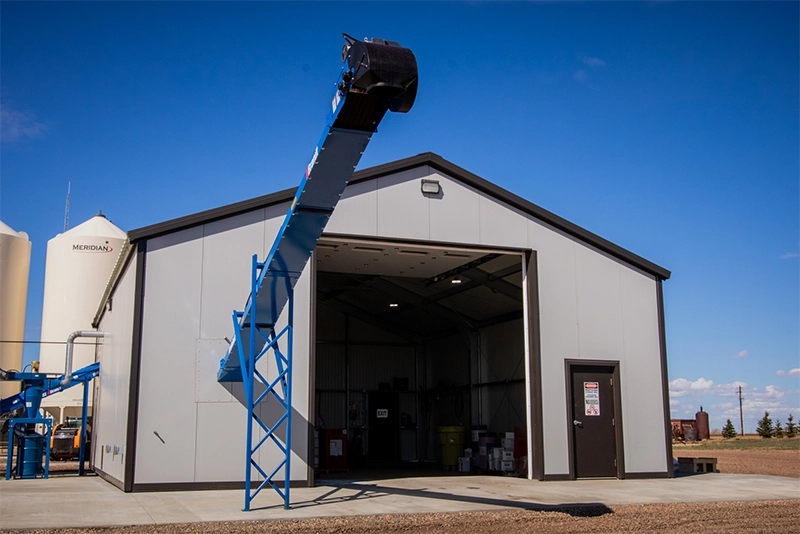
We believe the best approach is to notice small changes and act while the weather is good. Quick fixes, such as resealing a few edges or realigning a panel, can significantly reduce the risk of larger repairs down the road. Dutech Structures offers a wide range of panel and insulated wall cladding options, all designed to provide long-term protection for your steel buildings in Canada. Investing in timely summer maintenance ensures your cladding continues to shield your building from harsh weather.
Exterior wall cladding plays a bigger role than just looking sharp. It shields the rest of the structure. That means it needs a little attention when summer builds up. If we scan our walls now, make repairs where needed, and keep surfaces clean and dry, we give cladding its best shot at lasting through every season ahead.
Keeping an eye on your building’s exterior before summer heat gets too intense can prevent bigger issues down the line. We know how quickly things can shift with cladding once the weather changes. Spotting early signs of wear means it might be the right time to take a closer look at your exterior wall cladding. At Dutech Structures, we’re here to help you stay ahead of seasonal damage. Give us a call to talk through your summer maintenance needs.