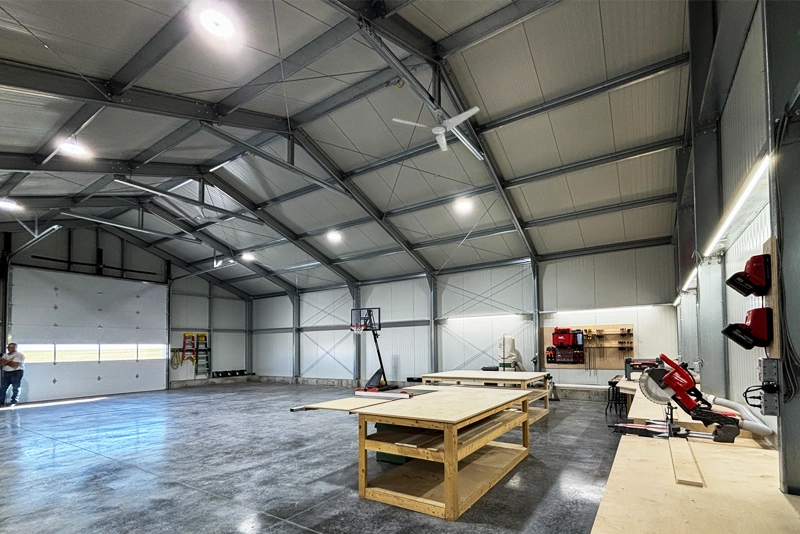
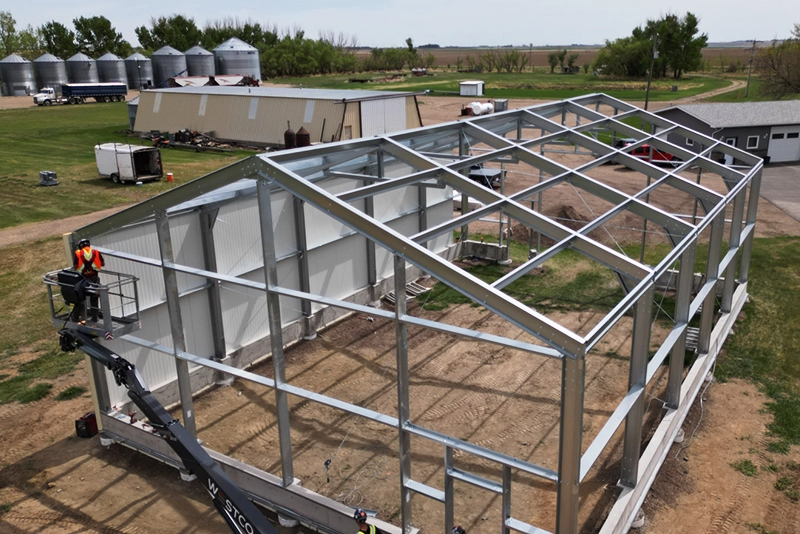

November tends to change things fast, especially here in Canada. Temperatures drop almost overnight, and buildings that felt fine in October can start feeling cold and damp in a matter of days. That’s when insulation problems show up the most. A solid cladding setup has more to do with keeping your space warm and protected than it might seem at first.
Insulation cladding helps block out cold air and locks the heat in. Without it, even a small gap can lead to frozen corners or equipment damage. As the freeze creeps in, it’s a good time to check how your setup is holding up. Whether you’re in a shop, a garage, or a storage building, it doesn’t take much for the cold to sneak through if your cladding isn’t up to the task.
Why November Weather Is Tough on Buildings
Once November hits, the weather isn’t just cold, it’s sharp, wet, and sudden. Waking up to icy mornings and heavy wet snow becomes common, and buildings that aren’t properly sealed struggle to keep conditions stable indoors.
Here’s why the November shift matters:
- Freezing wind can push through small cracks or gaps where cladding is worn
- Wet snow adds weight and moisture that sit against outer surfaces
- Warm air slips out faster than you’d expect without proper sealing
- Sudden swings between mild daytime highs and overnight lows stress building materials
Without the right protection, you might notice frost building up on walls or cold spots forming around doors. These are more than small problems. Over time, they lead to more serious effects like frozen pipes, damaged tools, or mold from moisture buildup, not things you want to deal with mid-winter.
As November arrives, the unpredictable transition from rain to freezing temperatures means that building materials need to be in top shape. Some parts of Canada see snow settling overnight, while others experience several freeze-thaw cycles before winter truly arrives. This back-and-forth can cause even the best materials to contract, expand, and shift. As a result, joints and seams that were tight in warm weather can open up just enough to let in drafts or moisture.
Heavy, wet snow doesn’t just weigh down roofs, but it can also wedge its way against siding or into small exterior cracks. Once it begins to melt, the moisture can seep even further inside, which amplifies the importance of having a secure, tight cladding layer. If any materials are older or were patched last year, this is a crucial time of year to check them before damage turns from minor to major.
What Insulation Cladding Does and Why It Matters
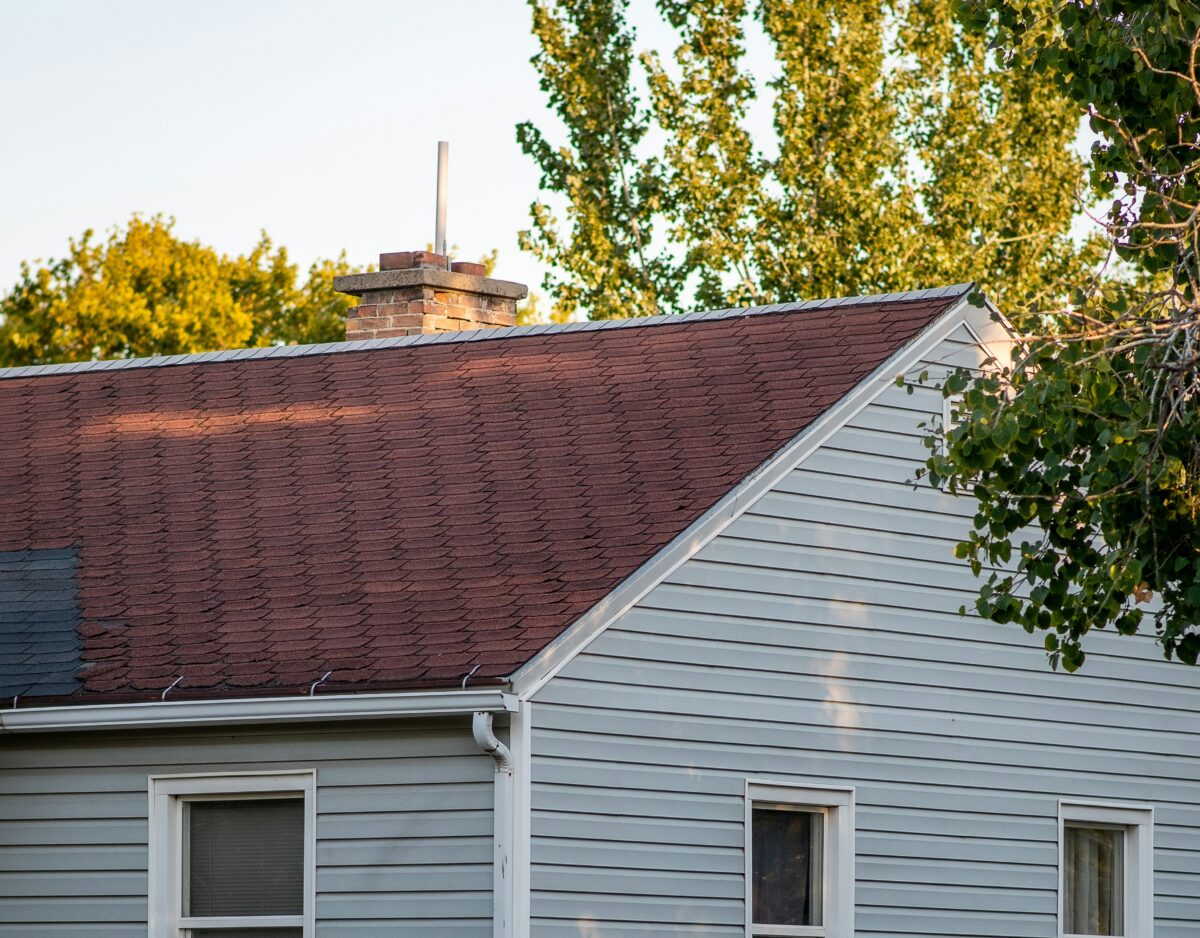
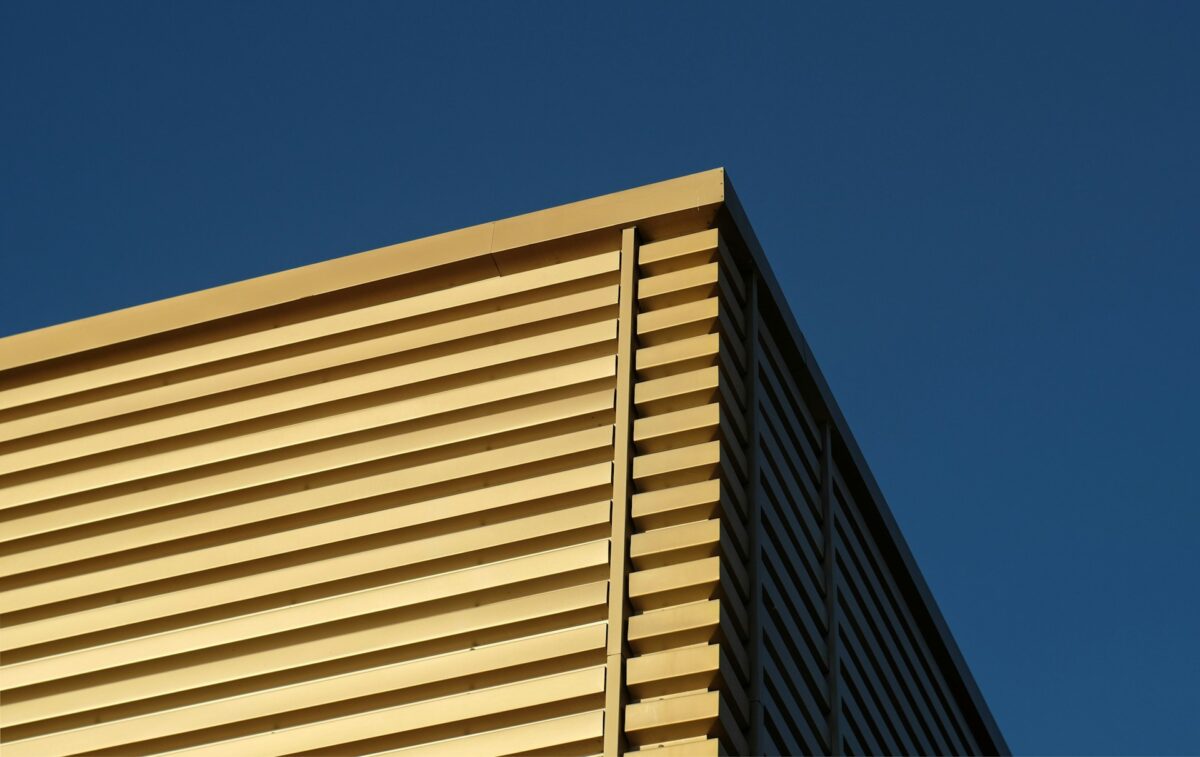
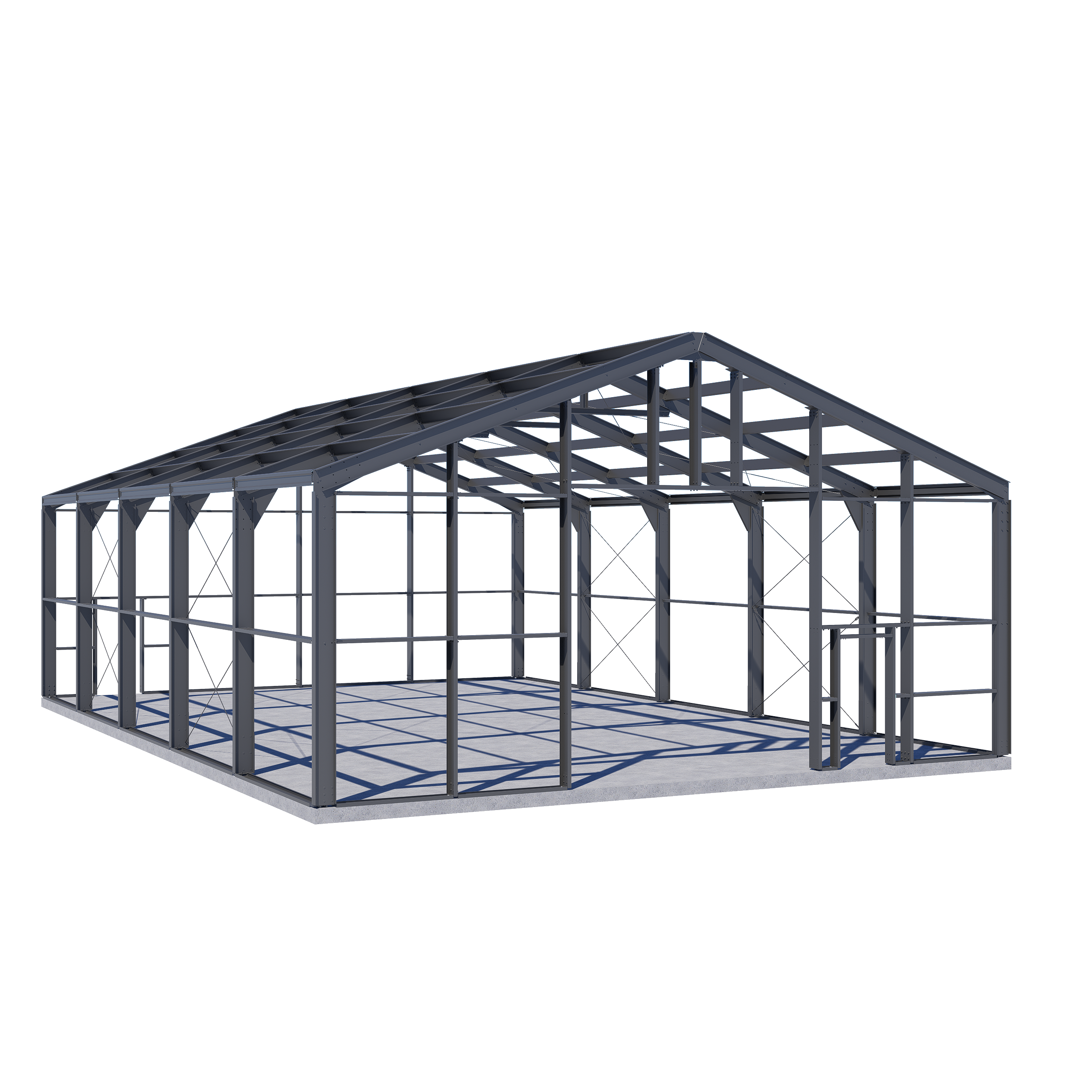
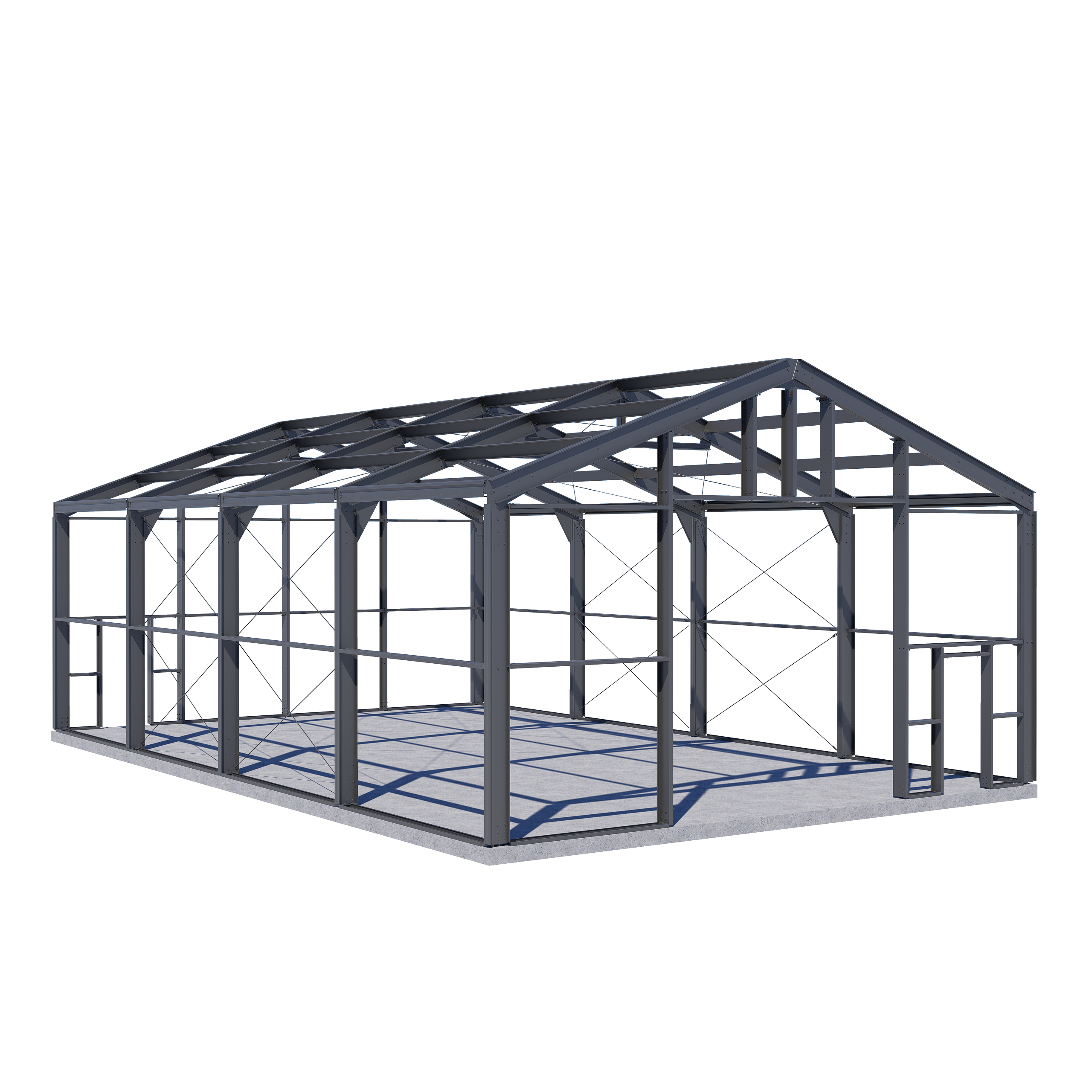
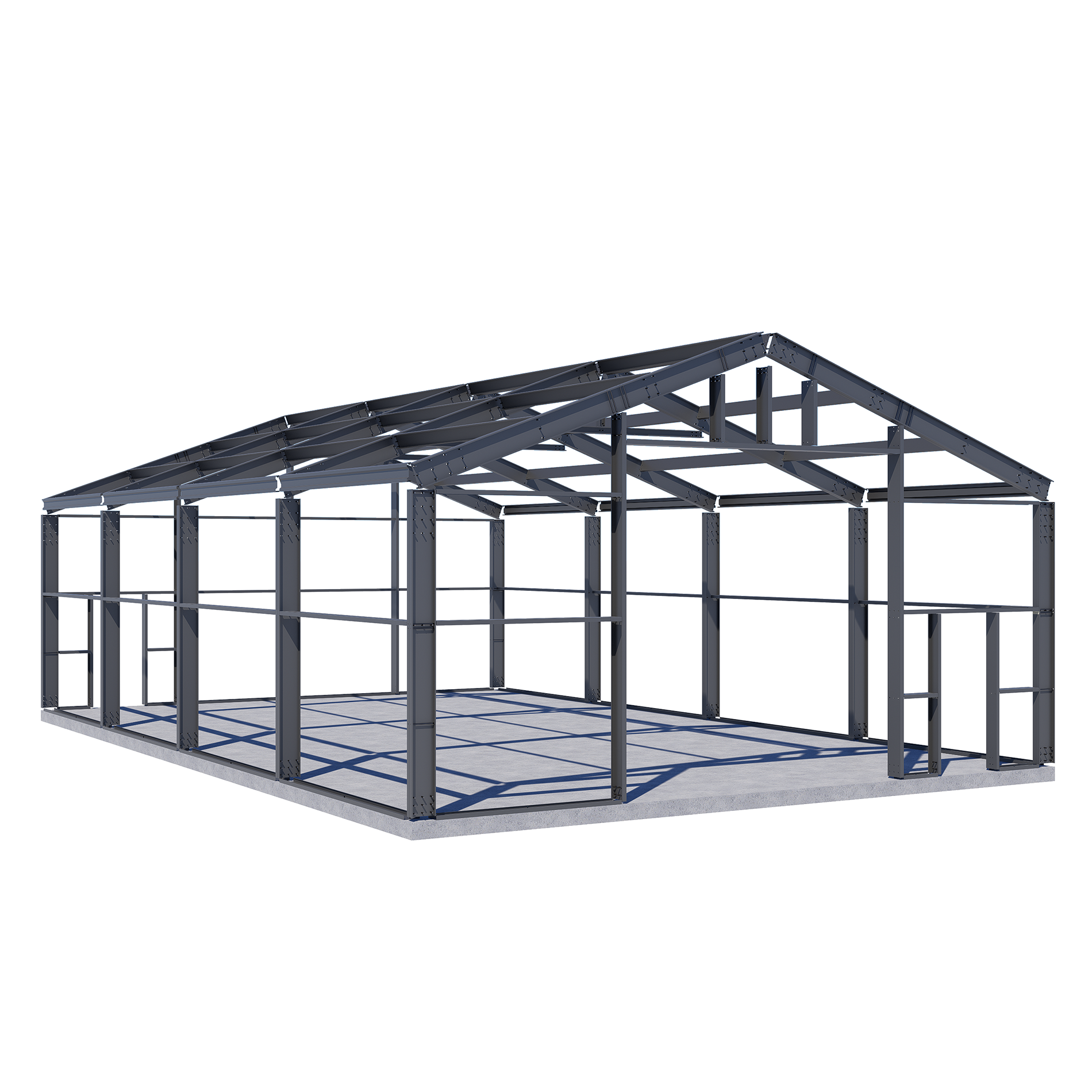
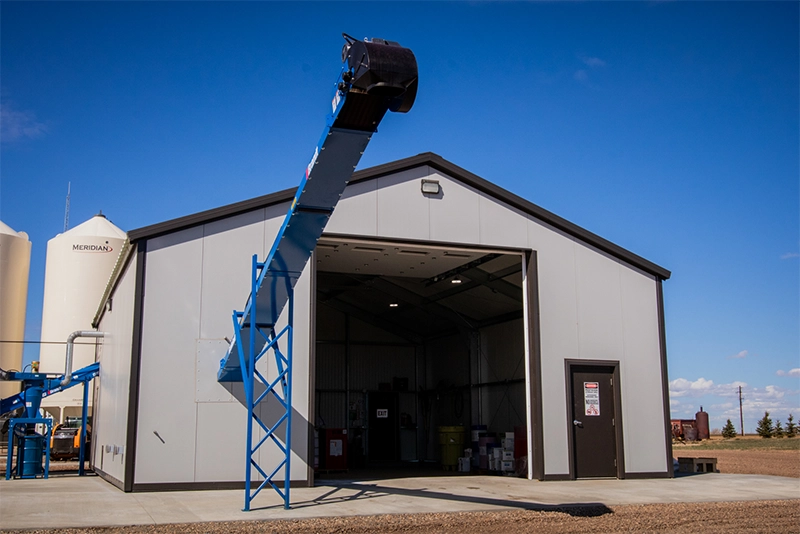
Insulation cladding is the material that covers a building’s frame to help control temperature, stop moisture, and hold up against tough weather. It works a bit like the coat you throw on before heading out into the cold, keeping warmth in and the freeze out.
Here’s what it really does:
- Stops heat from escaping through walls and roof panels
- Keeps wind and moisture from sneaking in through cracks or seams
- Adds strength to surfaces so they hold up better through storms or freezing rain
We rely on good cladding in spots that take a beating from the weather. That includes the roof, outer walls, doors, and upper corners where warm air rises. Even areas like storage sections or side sheds benefit from having proper insulation cladding, especially when used to store temperature-sensitive supplies, machinery, or materials that can crack in the cold.
Cladding also helps keep energy costs lower by trapping warmth and providing a steady interior environment. Since heating becomes more expensive as temperatures drop, any effort that keeps the heat inside the building pays off. Well-installed insulation cladding limits how often the furnace or heater has to run. In industrial and commercial spaces, this savings grows over the winter months.
A solid barrier also adds a key line of defense that protects structural materials from moisture. Once moisture gets in, metal parts can rust and wood can swell or rot, all of which are more expensive (and time consuming) to fix in winter. Keeping that first layer of cladding tight means fewer surprises and repairs through the coldest time of year.
Signs Your Cladding Might Not Be Ready Yet
Sometimes the signs are obvious. Other times, small warning signals show up before bigger trouble rolls in. A quick check now can prevent a lot of stress later.
Watch for these issues before the real cold sets in:
- Peeling or cracked panels on your building’s exterior
- Chilly drafts near doors, windows, or upper wall edges
- Icy spots forming along walls or near the roofline
- Cold zones or inconsistent heat inside the space
If your building made it through last winter with only quick fixes or patchwork repairs, now’s the moment to look again. Materials don’t last forever. That one worn panel or bent sheet may be the exact spot the cold air finds first. Cold corners and frost patches are signs that something isn’t sealed right, especially if your heating’s already running and still not keeping up.
It can also help to check for water stains or discoloration inside. If moisture made its way in last spring but went unnoticed over the summer, those marks will show where the cladding is vulnerable. Sometimes you can spot temperature swings by simply walking from one end of the building to the other. If there’s a patch of cold or dampness, or if you hear the wind whistling in certain spots, it’s worth investigating before temperatures plummet any further.
Easy Steps to Get a Building Winter-Ready
Taking the time to check your cladding now keeps you from racing the snow later on. Before winter hits full force, there are a few smart steps we like to go through.
Try doing this in the next couple of weeks:
- Walk the full perimeter on a cold or windy day and feel for drafts
- Look for signs of wear like bubbling, dents, or gaps at seams
- Check corners, ceilings, and door frames for frost, leaks, or temperature swings
- Take note of any musty smells that could point to trapped moisture
If anything seems off or worn out, we usually suggest a professional look. Sometimes a small issue on the surface can point to a bigger problem underneath. The goal is to get ahead of the freeze. Cladding is easiest to patch or swap before the snow starts sticking to the building, not after.
Focus attention on trouble spots like seams where two panels meet, or where different building materials are joined together. Roof-to-wall joints and areas around vent pipes or exhaust fans are commonly missed but are key places where air and moisture can get inside. If you notice ice building up anywhere inside or out, take it as a warning to act early. Checking now and noting anything unusual will buy you plenty of time to deal with repairs before true winter sets in.
Stay Ahead of the Freeze for a Smoother Season
Once November’s cold settles in for good, your building either holds strong or starts letting the cold win. If heating bills spike or frost finds its way inside, chances are the insulation cladding is part of the problem.
Getting set now helps keep the season running smoothly:
- Proper cladding holds in warmth so heating stays steady
- A sealed, dry space keeps equipment, supplies, and work areas safer
- Early repairs are faster and cleaner than winter emergencies
Cold weather doesn’t wait, and once your building gets behind, it takes more energy and effort to catch up. Checking your cladding now, before the ground freezes over, could save you days of hassle once the deep cold takes hold. Every step you take before the snow makes all the ones after it a little easier.
Whether you’ve noticed your building isn’t holding heat as well as it used to or just want extra peace of mind before winter sets in across Canada, now is the perfect time to review your protection. A solid layer of insulation cladding can make all the difference in keeping your space warm and dry. At Dutech Structures, we’re here to help you get ahead of colder weather, reach out to discuss the best solutions for your property.