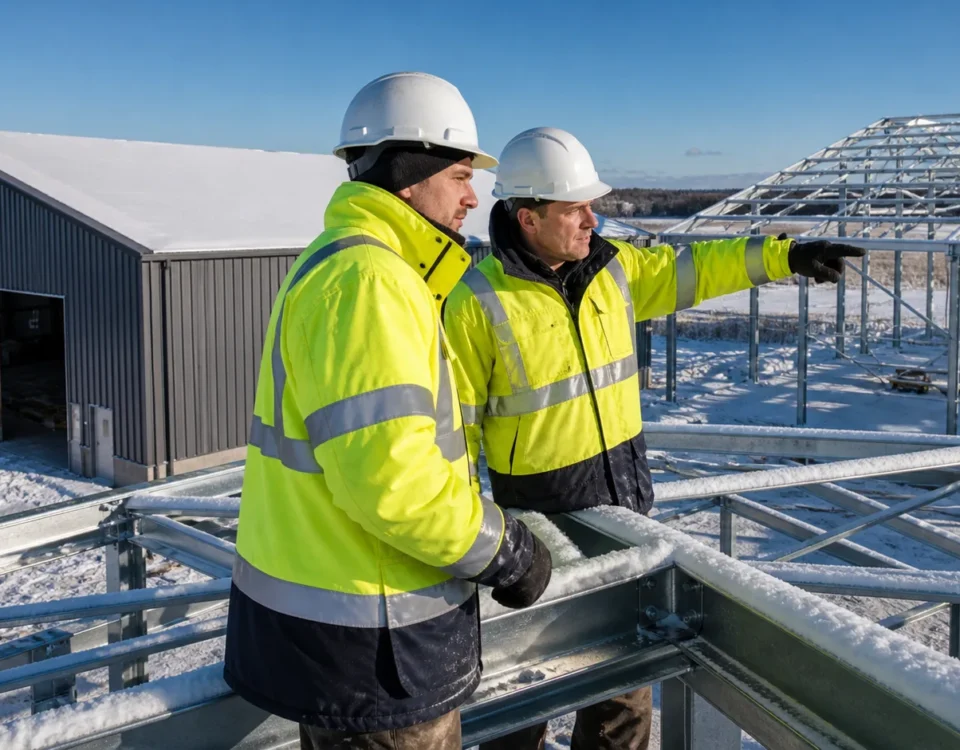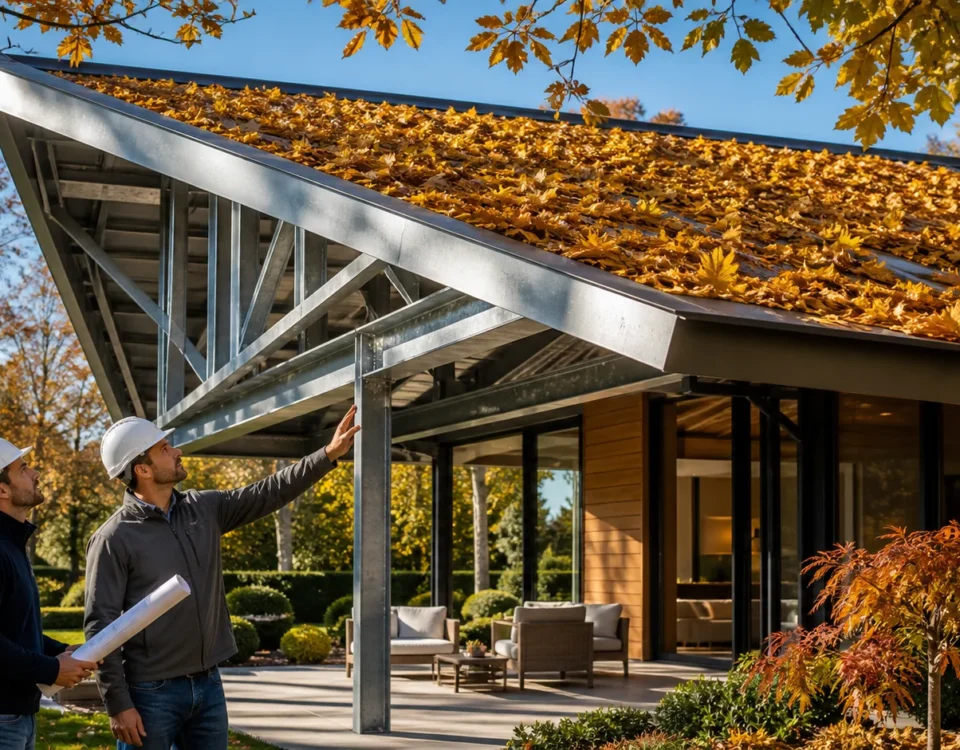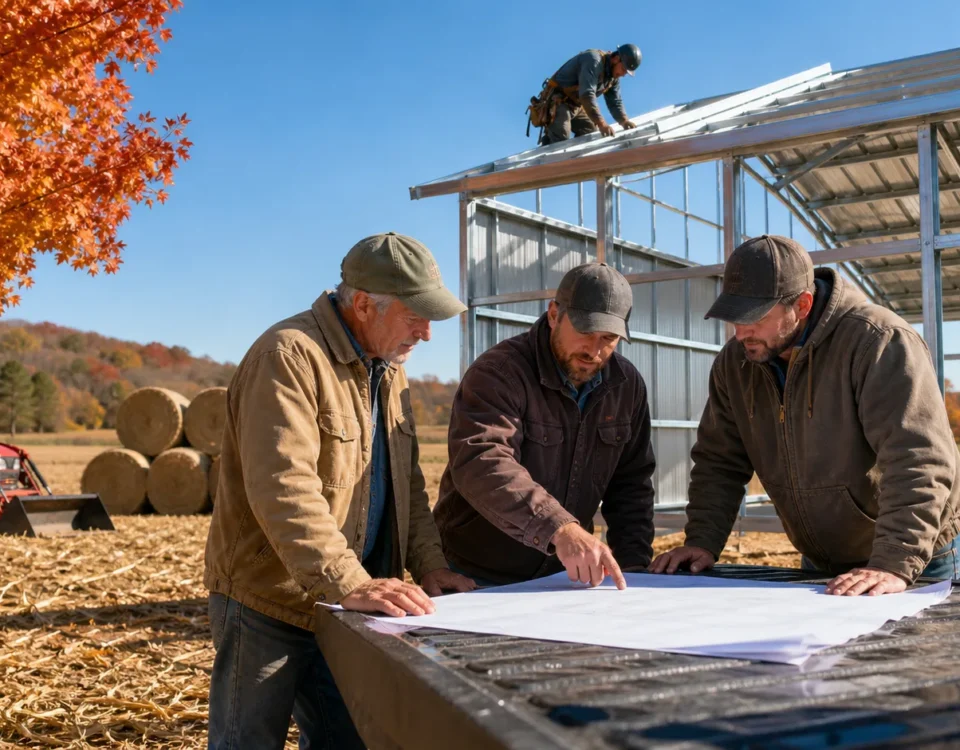


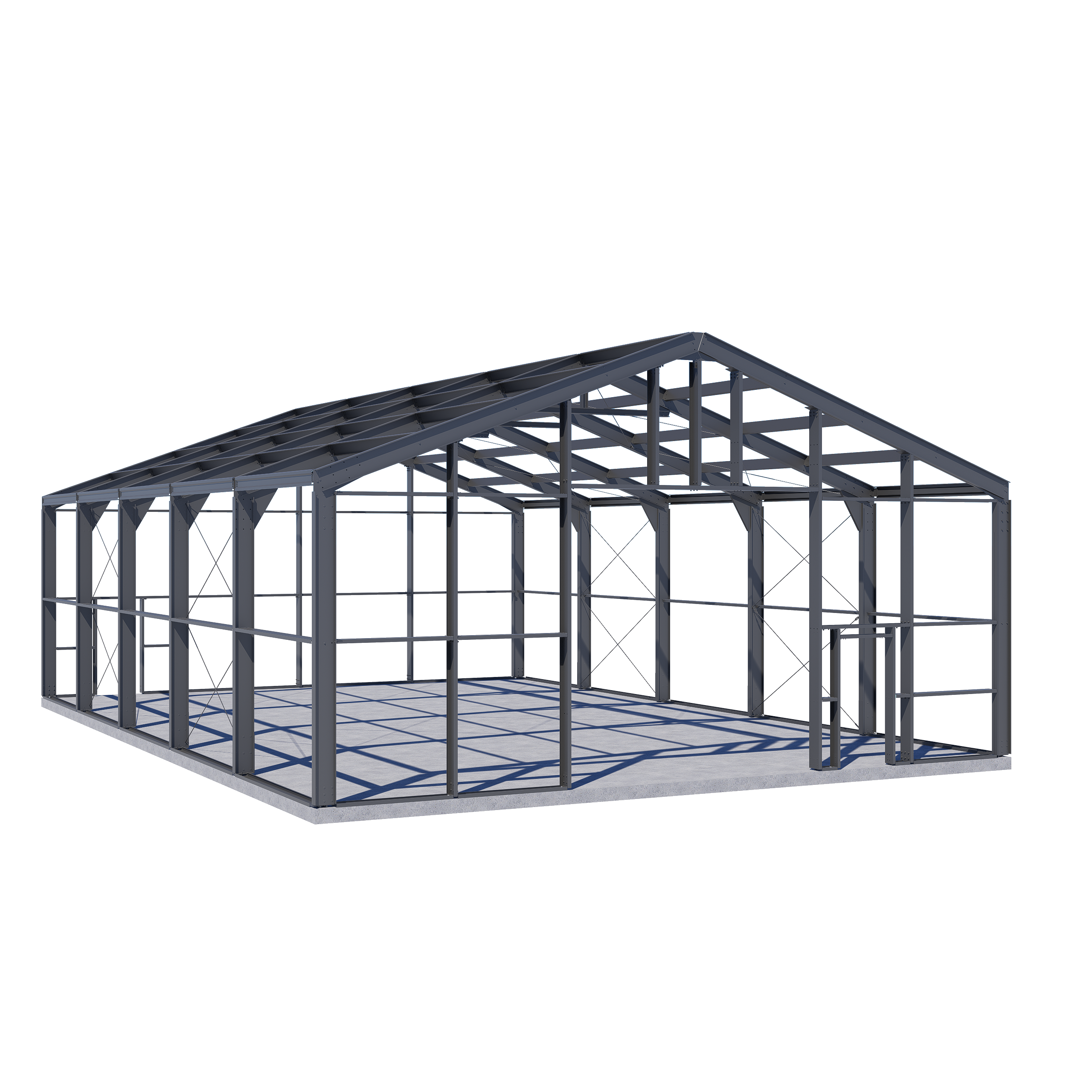
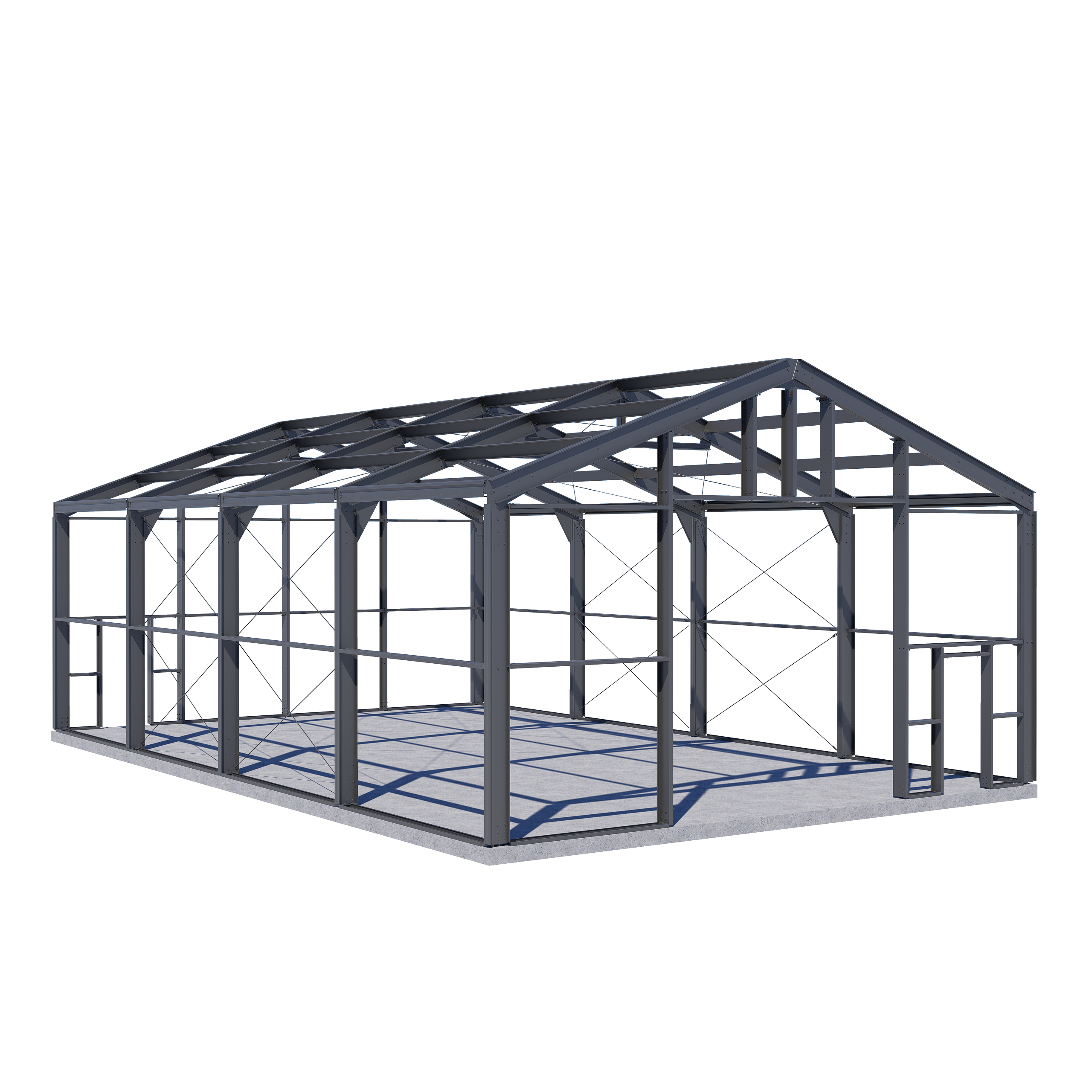
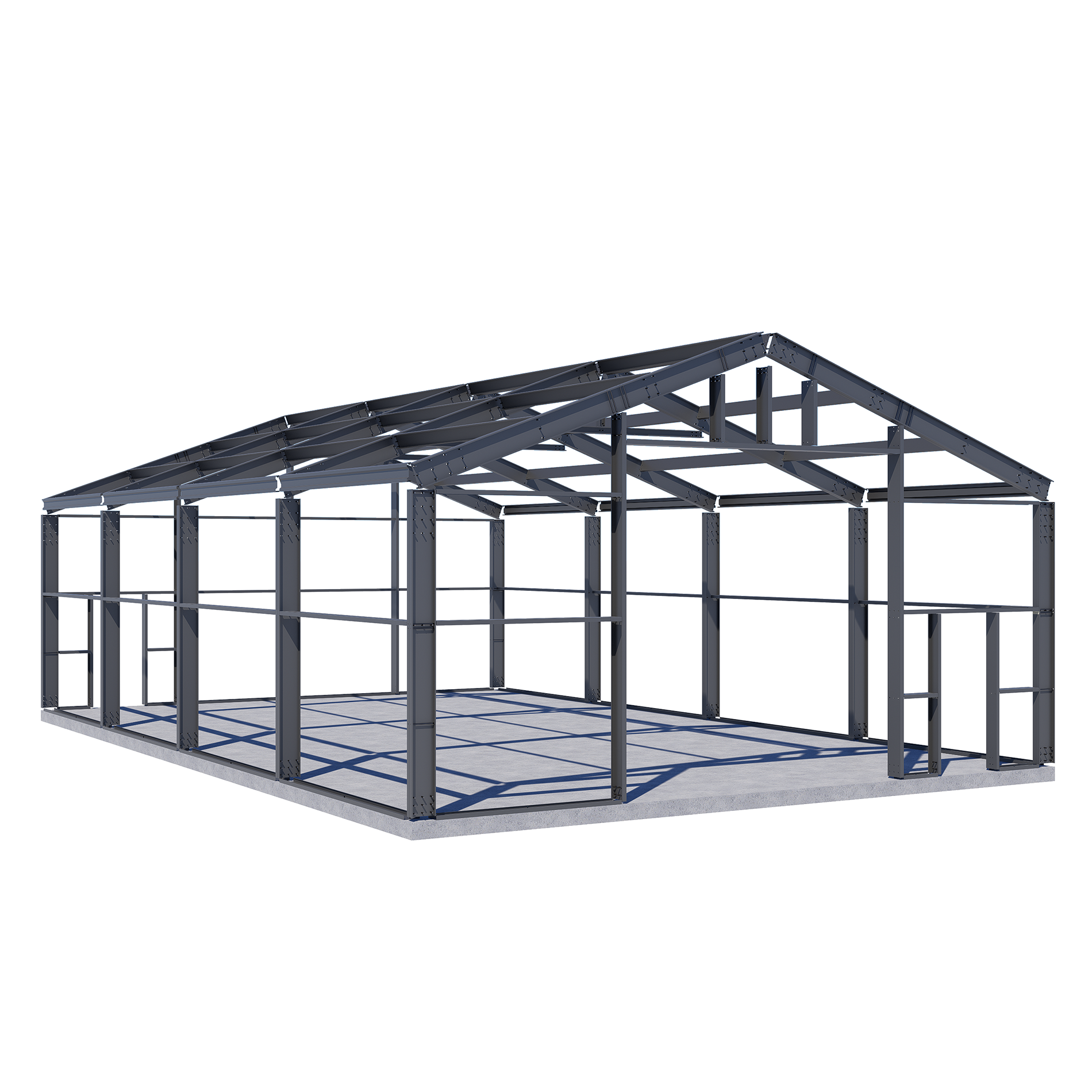
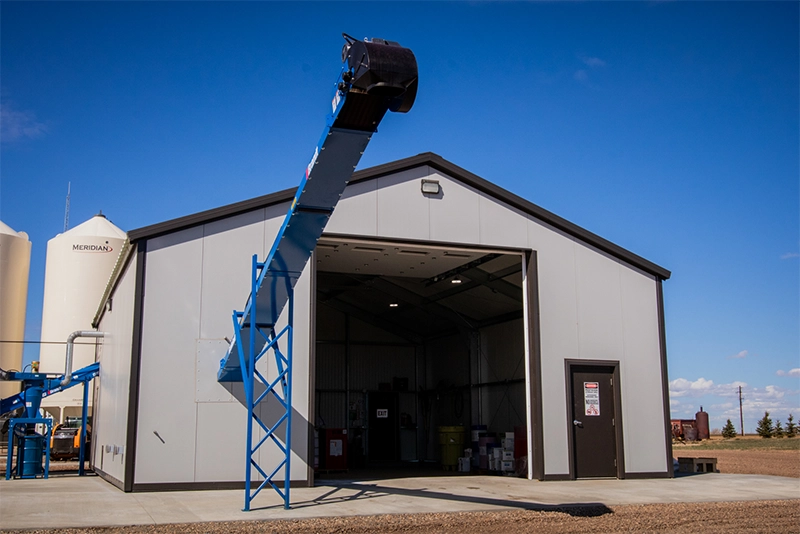
Winter in Canada isn’t known for being gentle. Between snow that piles high, ice that sneaks in overnight, and freezing rain that hangs around for days, a building that isn’t built right is going to struggle. That’s why choosing the right steel building manufacturer before winter sets in matters more than most people think.
We’ve seen what kind of damage winter can bring when buildings aren’t prepared. Poor materials, weak designs, and slow timelines all get exposed by the first deep freeze. So when we’re planning for a new project, we pay attention early and look for builders who know how to handle cold weather. A good pick now means less stress later and a structure that’s ready to take what the season brings.
Knowing the Canadian winter, with its flurries, wind, and sudden freezes, is crucial for both homeowners and businesses looking to construct a lasting steel building. That harsh cold season puts every inch of a building to the test, pushing materials and construction techniques to their limits. Identifying a steel building manufacturer who is ready for these conditions is the best way to start your project off on solid ground, especially before the ground itself starts freezing.
Cold Weather Know-How Matters
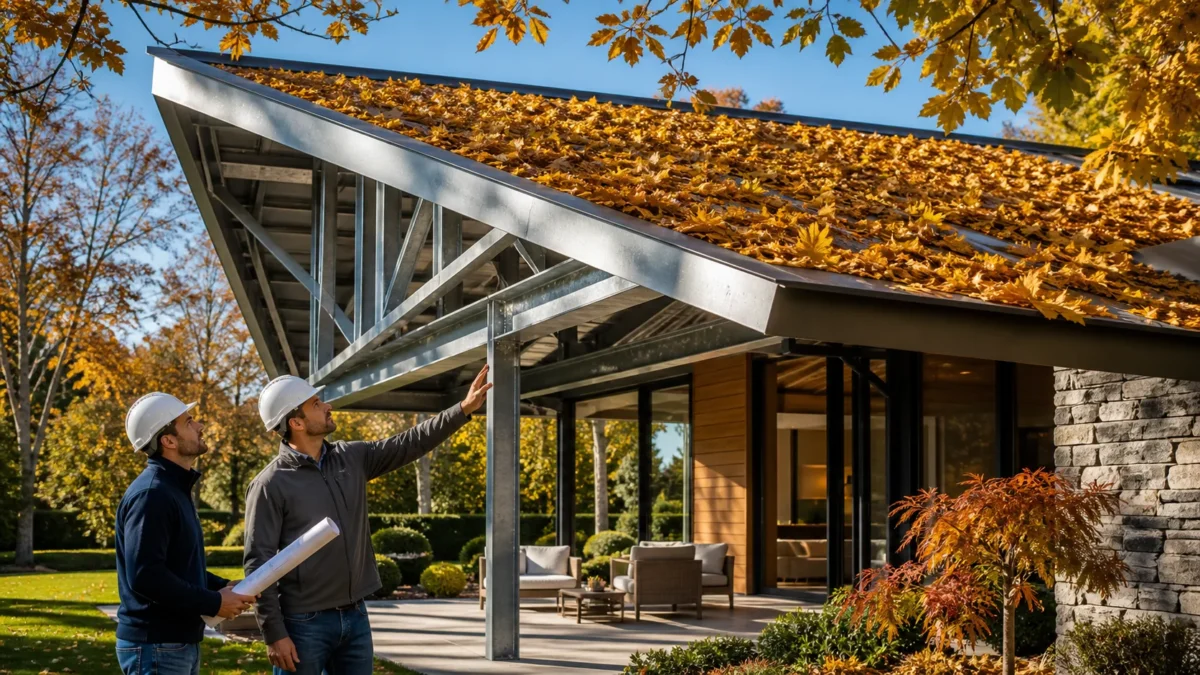
When snow and ice show up week after week, the design of a building really gets put to the test. A builder who’s worked through Canadian winters knows this and plans for it from day one. The shape of the roof, the type of support underneath, even the way the door sits in its frame can all affect how well a building handles cold and snow.
- Roof design is key. Flat roofs tend to collect snow, while sloped roofs shed it better
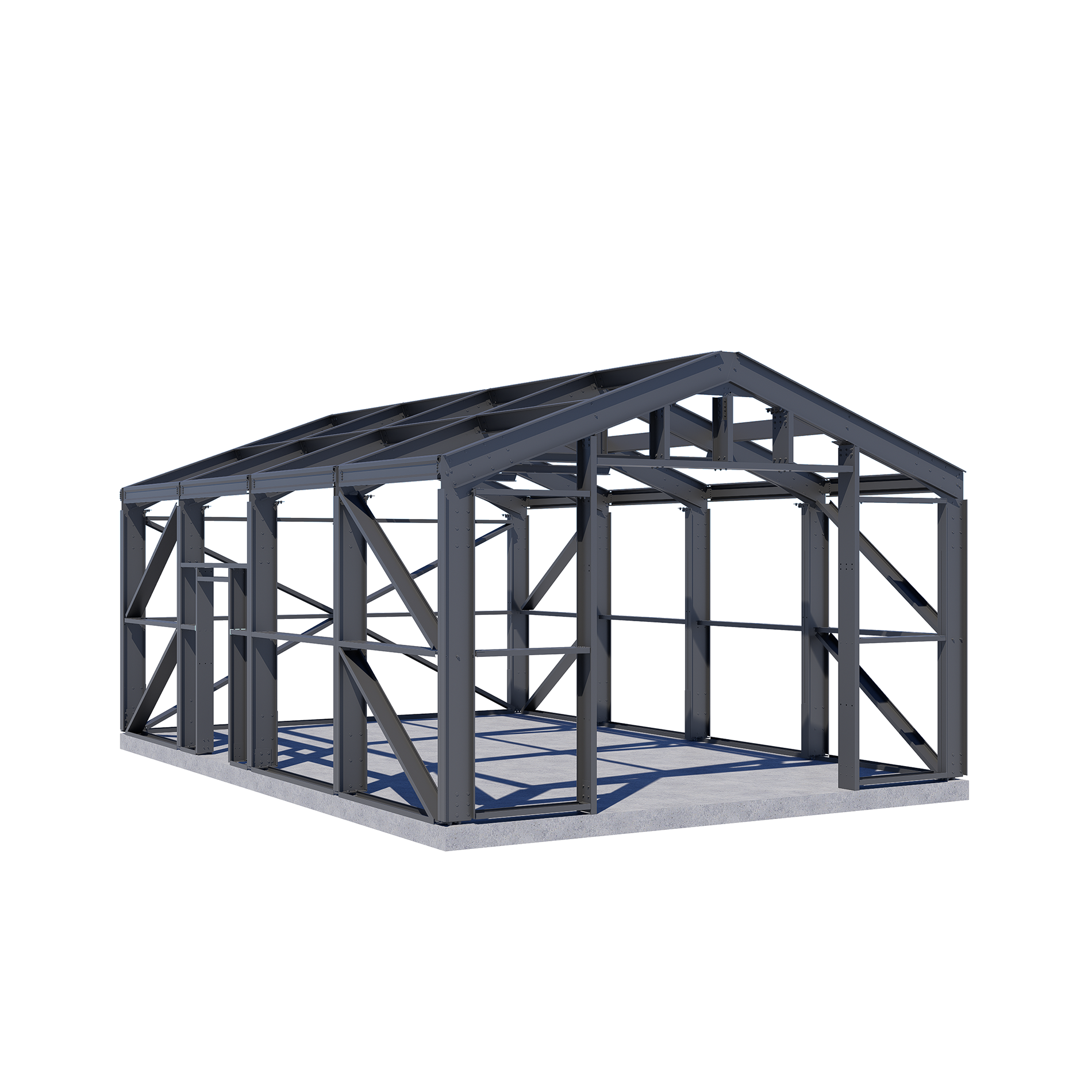
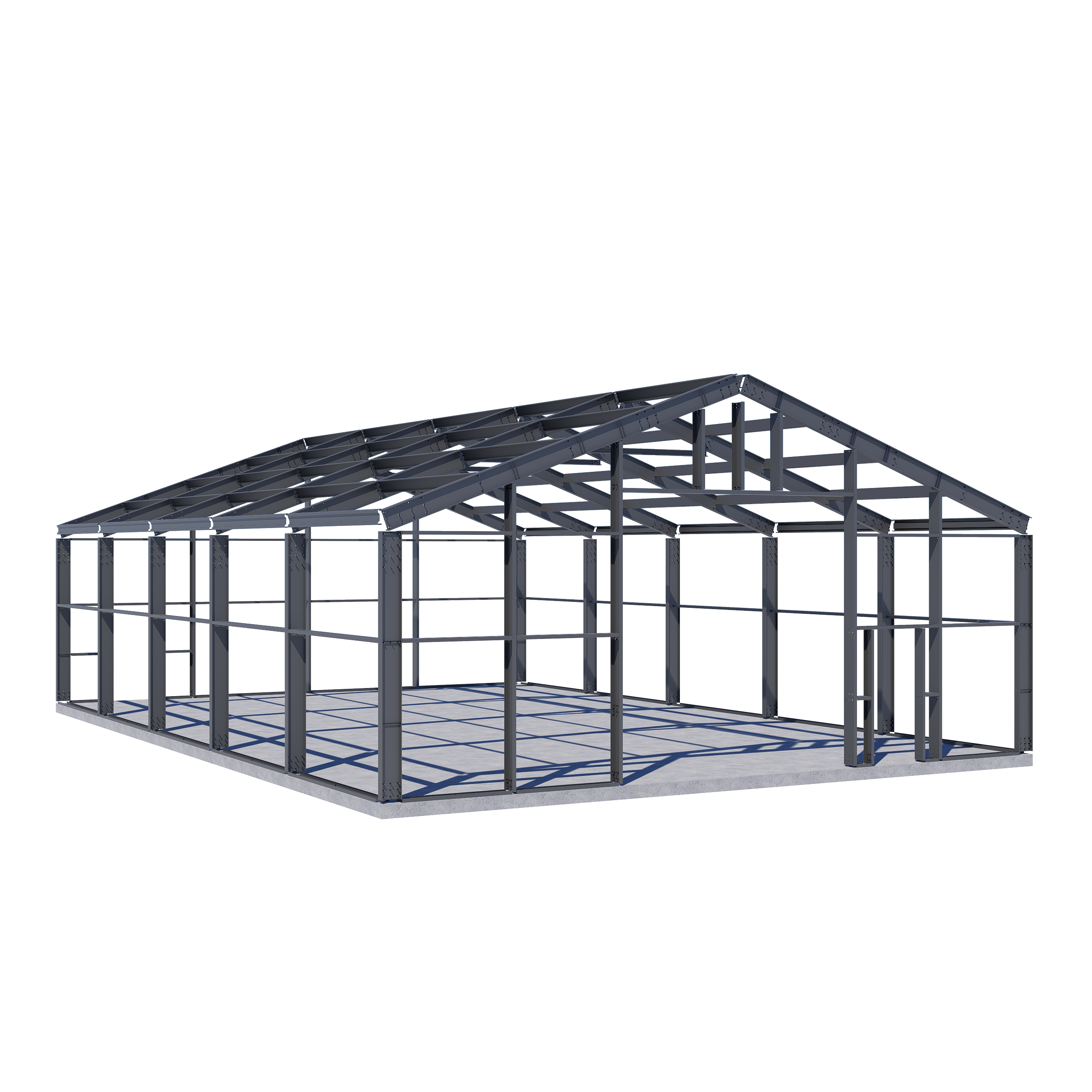
- Strong framing helps carry the extra weight that often builds up after a stretch of storms
- Foundations that work with frozen ground are more stable and reduce the risk of shifting
Having a solid game plan from the start is just as important as the materials themselves. A well-experienced builder understands that weather patterns change fast and that a design for Ontario may not be the best fit for Alberta. Their know-how can mean the difference between a building that survives decades of storms and one plagued by repairs after the first season. A builder who has worked through countless storms will know how to spot weak points early, offering designs and solutions that keep the entire structure sound.
Knowing what problems can pop up in Canadian winter helps us avoid costly fixes later. If a builder hasn’t worked through a long winter before, we think twice. Also, check for builders who can adapt their process if winter storms speed up the schedule or make it tougher to access the site. Experience counts when the weather turns unpredictable.
Smart Materials and Building Practices
Good materials don’t just look clean at the start. They hold strong when things get wet, cold, and frozen for weeks at a time. We look for steel that’s treated for the cold and doesn’t rust fast when moisture settles in.
- Treated steel resists rust and stands up better under wet snow and ice
- Tight seals at joints and edges help keep out cold air and blowing snow
- Smart ventilation helps stop inside moisture from freezing on walls and ceilings
A smart steel building manufacturer uses materials that work with the weather, not against it. We’ve seen buildings hold up well through long winters because the builder didn’t cut corners or rush the setup. That kind of care shows up in the details, like solid welds, snug bolts, and even how clean the wall joints fit together.
Paying attention to the way builders choose and use their materials reveals whether they understand Canada’s real winters. You can spot the best workmanship in how sheet metal is joined, the quality of insulation used, and even the placement of fasteners. Good builders go out of their way to use products and construction practices that match the temperatures, snow, and wind that buildings in Canada deal with each year. These small details add up to long-term protection, less maintenance, and fewer problems down the road.
Clear Communication and Fast Process
As winter gets closer, timelines get tighter. Snow can show up earlier than expected, and when it does, it slows everything down. That’s why clear planning and fast action matter so much when we’re locking in a build before the ground freezes.
- A good manufacturer gives real timelines and sticks to them
- They should have a plan for dealing with short days and bad weather during installs
- Communication should be fast, easy to follow, and open to honest questions
Communication with your builder before and during construction is critical. We expect direct, honest updates so that there are no surprises if weather or site conditions force changes to the original plan. Builders who know the realities of a Canadian winter make sure their clients are never left guessing about the next steps, adjusting schedules efficiently and keeping everyone updated.
If questions only get half answers or schedules keep shifting, it’s harder to stay on track. We look for builders who are upfront and move quickly because once snow starts falling, small delays can quickly become shutdowns. Builders who maintain clear lines of communication provide regular progress updates so clients are always aware of next steps and any adjustments that need to be made for weather interruptions.
What to Notice Before You Decide
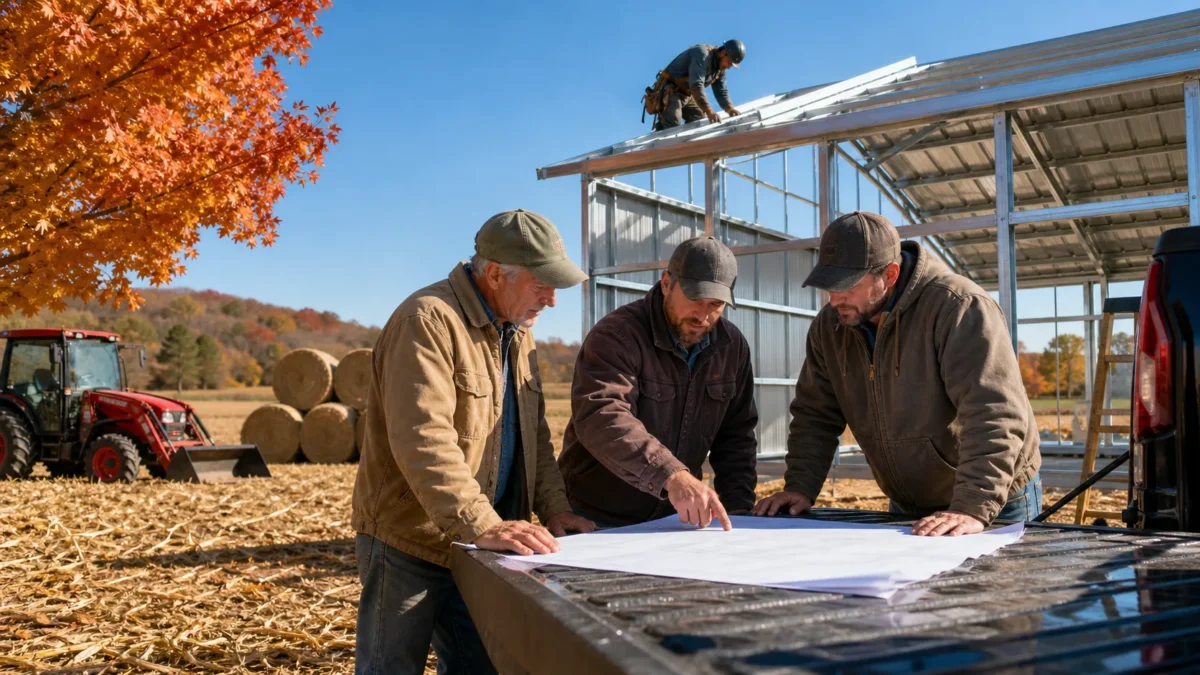
Before we commit, we take a close look at how the builder works. A few key signs can tell us a lot about how they handle winter builds, especially when things don’t go exactly to plan.
- We ask to see examples of buildings they’ve done in places with heavy snow or tough winters
- We check how their buildings stand the test of time in cold, damp conditions
- We look for small signs of good work like tight seams, smart drainage choices, and smooth doors that don’t stick
Taking time to research past projects will give us an idea of how they plan for long-lasting structures. When we see photos and case studies from other clients, it’s easier to trust the manufacturer’s promises. Watching for small markers of quality, such as how doors and windows fit after several seasons, tells us if the building will stay easy to use year after year.
A well-built steel structure doesn’t just stand tall, it stays that way after weeks of snow, wet days, and freeze-thaw cycles. We don’t need a perfect building. We just want one that doesn’t fall apart when the weather starts moving in fast. Examining these details saves wasted costs and hassle later.
Built to Take the Cold
A builder who knows winter doesn’t just work fast, they think ahead. They expect freeze-ups, snow drifts, and delays, and they make plans to deal with them. That kind of thinking keeps the project moving even when cold weather tries to slow things down.
Rest assured, when a builder is used to Canadian winters, they make allowances at every stage. They may use additives in concrete for colder weather, order essential supplies in advance, or allocate extra labor for the finish stages if they expect an early frost. These habits don’t just make construction smoother but result in a building that’s finished right and ready to use no matter what the weather brings.
Getting a building up before winter fully kicks in gives us peace of mind. We’re not worrying about snow piling on a half-done roof or frozen pipes before the frame’s finished. When we work with someone who knows how to build for winter, we’re ready for whatever the season brings. Our build starts strong and stays strong, just the way it should.
Working with the right steel building manufacturer means you can trust their recommendations for each phase and know they have dealt with the problems before. Together, you plan for the obstacles, avoid costly mistakes, and finish projects on time, even with unpredictable weather.
Planning a new build before winter arrives is easier with a team that knows how to tackle harsh weather conditions. At Dutech Structures, we deliver quality materials, efficient timelines, and genuine cold-weather expertise on every project. As a trusted steel building manufacturer in Canada, we make sure your structure is ready for snow, frost, and freezing temperatures. Let’s get your project moving while there’s still time to beat the deep freeze, contact us today to discuss your winter-ready solution.